
7 Essential Remote Inside Sales Strategies for 2026
Discover 7 essential remote inside sales strategies for 2026 to boost productivity, leverage AI, and outperform global competition. Future-proof your sales team today.
published
Remote inside sales have rapidly transformed how businesses grow and compete in today's digital-first landscape. The pace of change is accelerating, making it essential for teams to adapt quickly.
Sales professionals face unique challenges in 2026, from navigating global competition to meeting increasingly sophisticated buyer expectations. These shifts create both obstacles and exciting new opportunities.
To stay ahead, companies must embrace innovative strategies that empower remote teams to exceed targets and outpace rivals. In this article, you’ll discover seven actionable, future-focused strategies designed to elevate your remote inside sales success in 2026.
The State of Remote Inside Sales in 2026
The landscape of remote inside sales in 2026 is defined by rapid innovation and shifting expectations. As businesses continue to embrace remote-first models, sales teams are navigating a new era of connectivity, technology, and global reach.

Key Trends Shaping Remote Sales
Remote inside sales has experienced remarkable transformation, largely driven by technological advancements. AI-powered sales tools and automation are now central to daily operations, allowing reps to manage leads, forecast outcomes, and personalize outreach with unprecedented accuracy. The emergence of no-code AI tools further empowers teams to automate tasks without technical expertise, boosting efficiency and scalability.
Data analytics has become indispensable, guiding decision-making and enabling precise pipeline management. With talent pools now spanning the globe, organizations are running 24/7 sales operations, capitalizing on different time zones and diverse skill sets. Buyers have become more sophisticated, expecting personalized, value-rich interactions at every stage. To meet these demands, businesses are integrating advanced collaboration platforms and virtual selling environments, ensuring seamless engagement and teamwork among distributed remote inside sales professionals.
Key Trend | Description |
|---|---|
AI-driven Sales Tools | Automation and intelligence for efficiency |
No-Code AI Automation | User-friendly tools for scaling processes |
Data Analytics | Real-time insights for smarter decisions |
Global Talent & 24/7 Operations | Expanding reach and responsiveness |
Buyer Sophistication | Demand for personalized, value-driven experiences |
Virtual Collaboration Platforms | Enhanced teamwork and client engagement |
Challenges Faced by Remote Inside Sales Teams
Despite significant progress, remote inside sales teams encounter unique challenges. Communication barriers are common, making it harder to build trust and rapport virtually. Maintaining productivity and accountability in distributed teams requires clear processes and robust digital oversight.
Regulatory and compliance requirements have grown more complex, especially for organizations selling across multiple regions. Sales professionals must also adapt quickly to new technologies, as sales enablement tools continue to evolve. Finally, with the remote-first approach becoming standard, attracting and retaining top remote inside sales talent is more competitive than ever.
Challenge | Impact |
|---|---|
Virtual Communication Barriers | Hinders relationship building and trust |
Productivity Management | Difficult to monitor and motivate remotely |
Regulatory Complexity | Increased legal and compliance risks |
Technology Adaptation | Continuous learning curve for new platforms |
Talent Retention | Greater competition for skilled remote sales reps |
Remote inside sales in 2026 stands at the intersection of innovation and complexity. Understanding key trends and addressing these persistent challenges positions teams to thrive as the future of sales continues to evolve.
Essential Technology Stack for Remote Inside Sales
Selecting the right technology stack is essential for remote inside sales success in 2026. With teams now distributed globally, only the most robust platforms and tools can drive productivity, collaboration, and results.
Must-Have Tools and Platforms
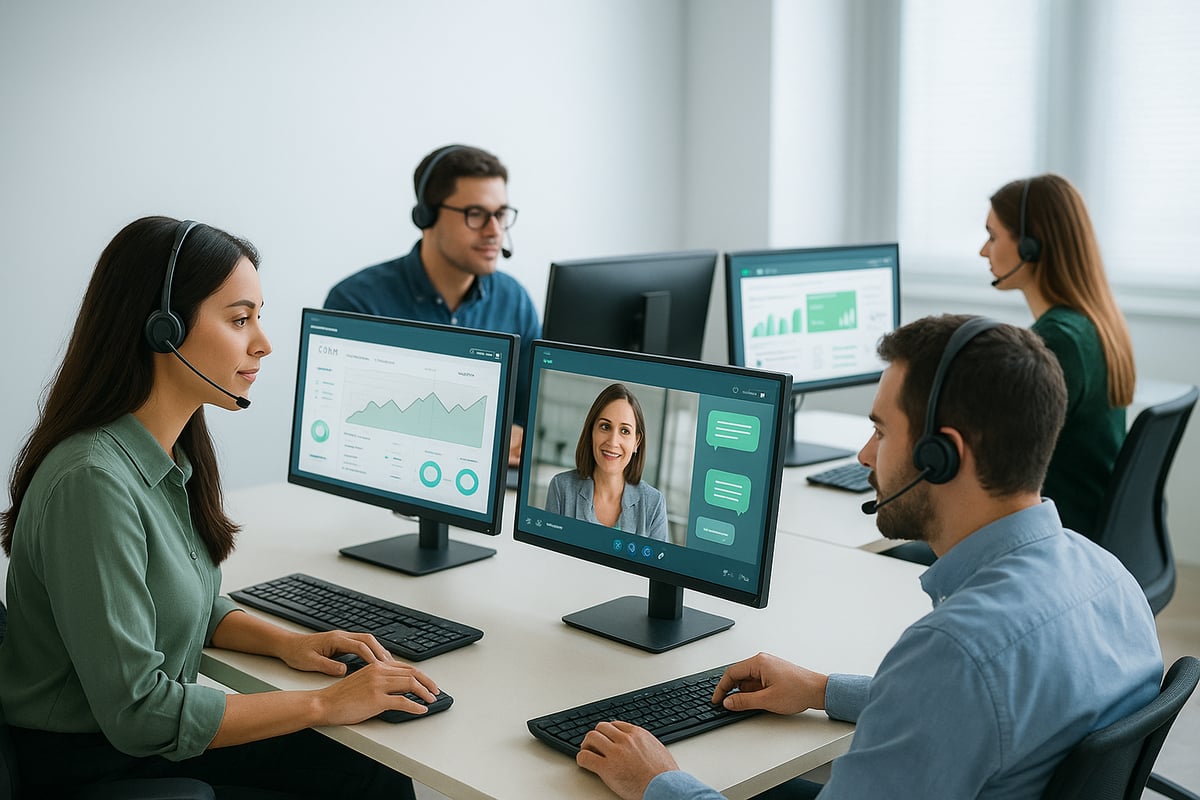
A high-performing remote inside sales operation depends on a suite of integrated solutions. Start with a CRM system designed for remote collaboration, such as Salesforce or HubSpot, which centralizes customer data and tracks every sales touchpoint.
Sales engagement platforms automate outreach, schedule follow-ups, and keep reps organized, ensuring no opportunity slips through the cracks. Video conferencing and virtual demo tools are now fundamental, allowing teams to deliver interactive presentations and connect with prospects face-to-face, even from a distance.
AI-powered analytics platforms are critical for lead scoring, forecasting, and real-time performance tracking. These tools help prioritize the most promising opportunities and guide data-driven decisions. Integrated communication channels, including chat, email, and SMS, let reps reach prospects where they are most responsive, creating a seamless experience for buyers.
Tool Type | Example Platforms | Key Benefit |
|---|---|---|
CRM | Salesforce, HubSpot | Centralized customer management |
Sales Engagement | Outreach, Salesloft | Automated outreach and follow-ups |
Video Conferencing | Zoom, Microsoft Teams | Interactive virtual meetings |
AI Analytics | Gong, Clari | Predictive insights and forecasting |
Integrated Communication | Slack, Intercom | Multi-channel prospect engagement |
The right mix of these technologies elevates remote inside sales teams, enabling them to operate efficiently and stay connected.
Implementation Best Practices
To maximize the value of your remote inside sales tech stack, focus on seamless integration. Avoid data silos by ensuring all platforms communicate with each other, so information flows smoothly from lead capture to deal closure.
Train your team on every new tool to drive adoption and achieve the highest return on investment. Use real-time analytics dashboards to monitor pipeline health and individual performance, making it easy to spot trends and address bottlenecks early.
When integrating automation solutions, follow best practices to align workflows and maintain data integrity. For more guidance, see Designing for automation, which covers practical steps for streamlining remote inside sales processes.
Case in point: Companies using AI-driven CRMs report up to 30 percent higher close rates, underscoring the impact of advanced technology on remote inside sales outcomes.
By following these best practices, remote inside sales teams can boost productivity, make smarter decisions, and stay competitive as the market evolves.
7 Essential Remote Inside Sales Strategies for 2026
Remote inside sales teams in 2026 face both unprecedented opportunities and intense competition. To stand out, organizations must embrace forward-thinking approaches that leverage technology, data, and human connection. Here are seven strategies every remote inside sales leader should implement to maximize results and build a resilient, high-performing team.

1. Hyper-Personalized Outreach and Engagement
In 2026, buyers expect every interaction to be relevant and tailored to their needs. Remote inside sales professionals can achieve hyper-personalization by harnessing AI-driven insights into buyer behavior. By analyzing digital footprints and engagement patterns, teams identify what truly matters to each prospect.
Segmenting leads based on industry, pain points, and buying stage allows sales reps to craft bespoke messaging. Personalized video messages, interactive proposals, and dynamic content make a powerful impression. Leveraging omnichannel outreach, including email, video, and social platforms, ensures prospects are engaged where they are most active.
For instance, sales reps who incorporate personalized video outreach consistently see double the engagement rates compared to traditional emails. Embedding the remote inside sales keyword naturally in communication also boosts visibility and relevance in digital channels.
Hyper-personalization transforms generic pitches into meaningful conversations. This approach not only increases response rates but also accelerates deal progression by addressing specific buyer concerns. Consistently refining outreach based on real-time analytics helps remote inside sales teams stay ahead of evolving expectations.
2. Data-Driven Sales Coaching and Performance Management
Successful remote inside sales organizations rely on data-driven coaching to foster continuous improvement. Using real-time analytics, managers gain clear visibility into rep performance, call quality, and deal progression. AI-powered tools record calls and analyze conversations, highlighting areas for targeted skill development.
Establishing clear KPIs and leveraging dashboards creates transparency across distributed teams. Sales leaders use this data to provide actionable feedback, set realistic goals, and celebrate milestones. Structured coaching programs, supported by digital resources, empower reps to refine their approach and exceed targets.
Remote inside sales teams with robust coaching frameworks consistently outperform peers. In fact, those with structured feedback loops achieve 20 percent higher quota attainment. Frequent check-ins and skill-building sessions also drive engagement and retention.
By embedding data-driven insights into daily routines, remote inside sales managers ensure every team member receives the support needed to thrive. This systematic approach turns coaching from a sporadic activity into a core part of the remote inside sales culture.
3. Building Trust and Rapport Virtually
Establishing trust is vital for remote inside sales success, especially when face-to-face meetings are rare. Teams must leverage digital tools to build credibility and foster lasting relationships. Sharing social proof, such as case studies and testimonials, reassures prospects of proven value.
High-quality video meetings with interactive presentations enable sales reps to connect on a personal level. Utilizing empathy and active listening techniques during calls makes prospects feel heard and understood. Personalized digital follow-ups, including handwritten notes sent electronically, leave a memorable impression.
Companies that prioritize relationship-building in remote inside sales report a 25 percent increase in customer retention. Reps who consistently demonstrate authenticity and reliability foster long-term loyalty, setting their organization apart in a crowded market.
Ultimately, building rapport virtually requires intention and adaptability. By blending technology with genuine human connection, remote inside sales professionals can overcome physical barriers and create meaningful partnerships.
4. Optimizing the Remote Sales Process with Automation
Automation is revolutionizing remote inside sales by streamlining repetitive tasks and freeing up reps to focus on high-value activities. Automated lead nurturing, appointment scheduling, and follow-up sequences ensure no opportunity slips through the cracks.
AI chatbots provide instant support and qualification, guiding prospects seamlessly through the sales funnel. Proposal generation and contract management tools further accelerate deal cycles, while CRM integrations reduce manual data entry and errors.
Adopting automation in remote inside sales not only improves efficiency but also enhances accuracy across the sales process. According to industry benchmarks, automation can cut administrative time by up to 40 percent for remote sales reps. To explore specific examples of practical automation use cases, see 5 AI automations for all.
Implementing automation requires careful planning and change management. Training teams on new tools and monitoring impact through analytics dashboards ensures maximum ROI. As automation technology evolves, remote inside sales teams that adapt quickly will maintain a sharp competitive edge.
5. Leveraging Social Selling and Digital Networking
Remote inside sales professionals in 2026 must master social selling to reach prospects in the digital landscape. Building a strong personal brand on platforms like LinkedIn and participating in industry forums establishes credibility and visibility.
Engaging with prospects through insightful content and meaningful conversations demonstrates expertise and creates value before the sales pitch. Monitoring social signals, such as job changes or company news, enables timely outreach and personalized engagement.
Participating in virtual events, webinars, and online communities expands reach and uncovers new opportunities. Social sellers consistently generate 45 percent more sales opportunities than their non-social counterparts.
Remote inside sales teams that integrate social selling into their daily routines create a sustainable pipeline of warm leads. By nurturing relationships digitally, they maintain relevance and top-of-mind awareness in a crowded marketplace.
6. Continuous Learning and Upskilling for Remote Reps
In the fast-evolving world of remote inside sales, continuous learning is essential for success. Offering on-demand training modules and certifications enables reps to build new skills at their own pace. Encouraging knowledge sharing through peer-to-peer sessions fosters a collaborative learning culture.
Staying updated on industry trends and shifting buyer expectations positions remote inside sales teams as trusted advisors. Gamifying learning with leaderboards and rewards boosts engagement and retention.
Teams that invest in ongoing education see their new hires ramp up 50 percent faster. Incorporating microlearning and interactive workshops keeps training relevant and actionable.
Remote inside sales leaders must prioritize professional development to stay ahead of competitors. By making upskilling a core part of their strategy, organizations ensure their teams are prepared for the challenges and opportunities of 2026.
7. Fostering a High-Performance Remote Sales Culture
Creating a thriving remote inside sales culture requires intentional leadership and regular engagement. Transparent communication, regular virtual check-ins, and accessible feedback channels keep teams aligned and motivated.
Recognizing achievements and celebrating wins, even in virtual environments, boosts morale and fosters healthy competition. Leaderboards and performance-based incentives encourage reps to push boundaries and exceed goals.
Supporting work-life balance and mental well-being is equally important. High-performing remote inside sales teams report 30 percent higher employee satisfaction, translating into better retention and stronger results.
A positive remote inside sales culture is built on trust, recognition, and shared purpose. By nurturing these elements, organizations empower their teams to perform at their best, regardless of location.
Metrics and KPIs for Remote Inside Sales Success
Success in remote inside sales hinges on tracking the right metrics and KPIs. As teams operate across borders and time zones, clear performance measurement becomes the backbone of growth and accountability. By focusing on actionable data, leaders can drive higher productivity and ensure long-term results.
Tracking What Matters in 2026
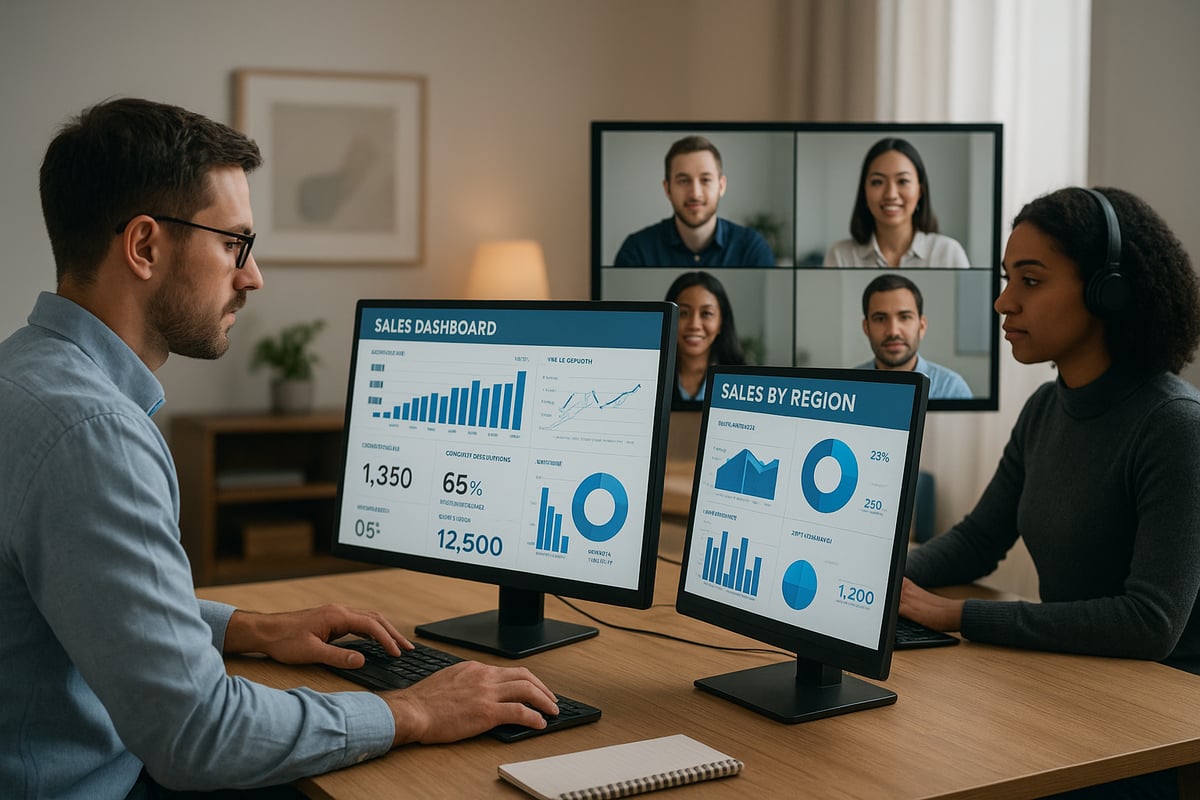
Remote inside sales teams must prioritize metrics that reflect both efficiency and effectiveness. Core KPIs include conversion rates, average deal size, and sales cycle length. These indicators provide a snapshot of how well the team is moving prospects through the funnel and closing deals.
Alongside these, activity metrics such as the number of calls, emails, meetings, and demos are essential for measuring effort and outreach consistency. Tracking these activities helps managers identify gaps and optimize the sales process for remote inside sales teams.
AI-powered analytics are transforming the way remote inside sales leaders forecast revenue and manage pipelines. Advanced CRM platforms now enable real-time visibility, predictive lead scoring, and automated performance tracking. According to AI in CRM industry statistics, AI-driven CRMs are linked to increased lead conversions and stronger customer retention, making them indispensable to modern remote inside sales operations.
Customer satisfaction and retention rates are equally important. Monitoring Net Promoter Score (NPS), renewal rates, and customer feedback ensures your remote inside sales team is delivering value beyond the initial sale. Happy customers are more likely to refer new business and expand existing accounts.
Dashboards play a vital role in remote inside sales success. They offer immediate insights into both team and individual performance, making it easy to identify trends and areas for improvement. With AI tools, dashboards can now surface actionable recommendations and flag risks before they impact revenue. Teams leveraging AI adoption in sales enjoy a competitive edge, as highlighted in this AI adoption in sales report.
Here is a table summarizing key metrics for remote inside sales:
Metric | Why It Matters | How to Track |
|---|---|---|
Conversion Rate | Measures sales effectiveness | CRM analytics, dashboards |
Average Deal Size | Tracks revenue per closed deal | Sales reports, pipeline analysis |
Sales Cycle Length | Identifies process efficiency | Time tracking in CRM |
Activity Metrics | Monitors outreach and engagement | Log calls, emails, meetings |
Pipeline Health | Forecasts future revenue | AI-driven CRM tools |
Customer Retention | Indicates long-term value | NPS, renewal rates, feedback surveys |
Remote inside sales teams that align around clear KPIs see measurable results. For example, organizations with unified KPI tracking report 15 percent higher revenue growth. Focusing on these metrics empowers remote inside sales professionals to adapt quickly, deliver consistent value, and outperform industry benchmarks.
Future-Proofing Your Remote Inside Sales Team
To maintain a competitive edge, future-proofing your remote inside sales team is essential. The pace of technological change, evolving buyer preferences, and a dynamic global market demand proactive planning. Teams that anticipate change and invest in forward-thinking strategies are best positioned for long-term success.
Adopting next-generation technologies should be a top priority. Integrating AI, VR sales environments, and advanced automation enables remote inside sales professionals to streamline processes and deliver hyper-personalized experiences. For a deeper dive into how AI is shaping the future of sales, review the latest AI-driven B2B sales trends to stay ahead of the curve.
Resilience and adaptability are the backbone of high-performing remote inside sales teams. Foster a culture that encourages experimentation, embraces feedback, and quickly adapts to new tools. Strong leadership development is crucial, ensuring remote managers can guide and support teams through change with confidence.
Anticipating shifts in buyer behavior and market dynamics is equally important. Empower your team to remain flexible, continuously update their skill sets, and monitor industry trends. Scalable processes and replicable best practices allow your remote inside sales operations to grow without losing agility or quality.
Companies that prioritize future-proofing experience significant advantages. Recent data shows organizations that invest in these initiatives outperform their peers by 20 percent in revenue growth. By embracing innovation and building a resilient team culture, your remote inside sales team will be ready to meet the challenges and opportunities of 2026 and beyond.
As we look ahead to 2026, remote inside sales is evolving faster than ever, bringing new challenges and even greater opportunities. You’ve seen how leveraging AI, automation, and a high-performance culture can set your team apart—now imagine what you could achieve with truly world-class sales talent on your side. If you’re ready to build an agile, results-driven remote sales team without the hassle of traditional hiring, let’s take the next step together. You can learn more about how Sales Match connects businesses with top appointment setters and closers, right when you need them most: Learn more.