
Candidate Recruitment Guide: Winning Strategies for 2026
Master candidate recruitment in 2026 with proven strategies to attract, assess, and secure top talent. Discover expert insights and future-ready hiring solutions.
published
In 2026, the race for exceptional talent is accelerating at an unprecedented pace. Organizations face new challenges and opportunities in candidate recruitment as the market evolves.
This guide equips you with proven strategies to attract, assess, and secure top candidates in a dynamic hiring environment. You will discover the latest trends, step-by-step processes, and the impact of technology on recruitment.
Learn how to enhance candidate experience, build a strong employer brand, and implement innovative approaches. Let’s explore practical steps that will help your team win in the era of modern candidate recruitment.
Understanding the 2026 Recruitment Landscape
The landscape of candidate recruitment in 2026 is evolving at an unprecedented pace. Companies are adapting to shifting values, new technologies, and a fiercely competitive market for top talent. Understanding these changes is essential for organizations aiming to secure the right people and drive success.
Evolving Candidate Expectations and Market Trends
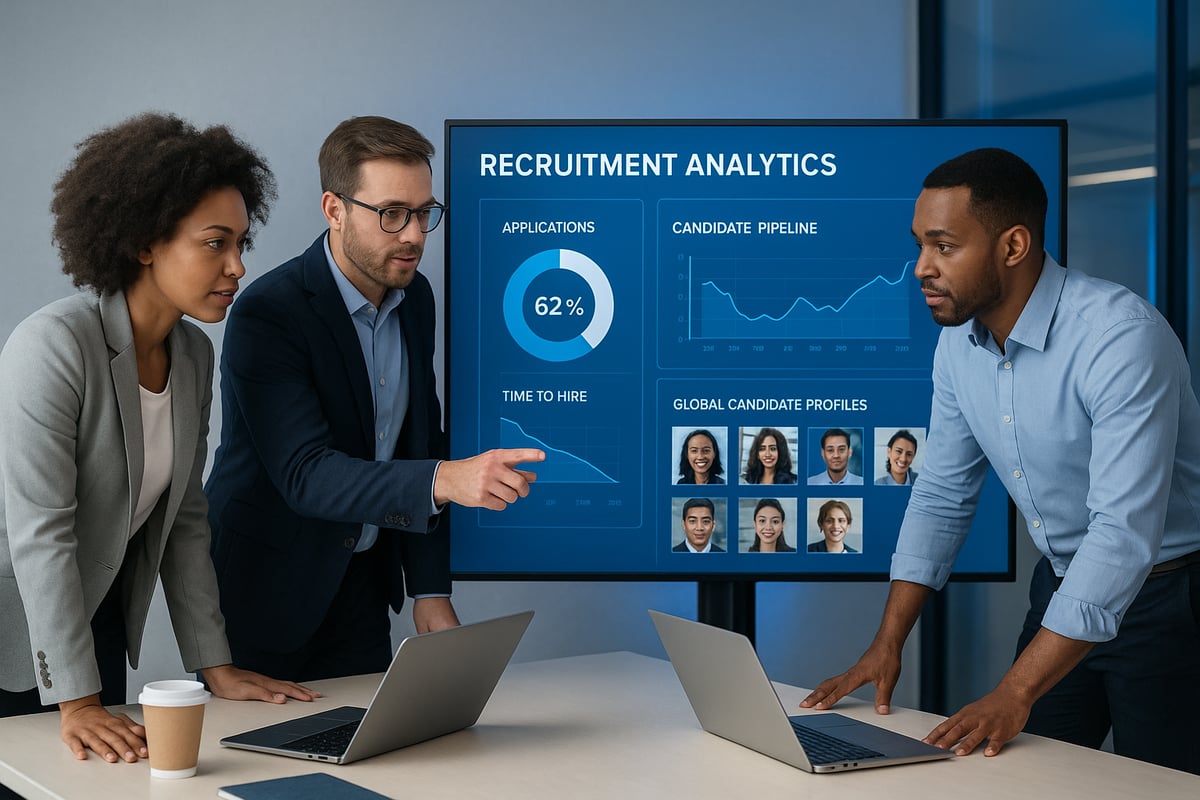
Today’s candidates expect more than just a job, they seek flexibility, purpose, and a commitment to diversity, equity, and inclusion. The rise of remote and hybrid workforces has transformed candidate recruitment, with 68% of job seekers prioritizing flexible work arrangements. This shift is especially driven by Gen Z and Millennials, who value meaningful work and transparency.
Organizations face a surge in competition for specialized talent, particularly in technology and high-performing roles. Companies offering remote-first positions are experiencing twice as many applicants compared to traditional models. These trends are shaping how businesses approach candidate recruitment, requiring adaptability and a keen understanding of evolving market dynamics.
To stay ahead, employers must embrace new expectations and leverage innovative tools. For a comprehensive overview of emerging trends and actionable insights, refer to the 2026 Recruitment Trends Overview.
Key Challenges Facing Employers
Employers encounter a range of challenges as they navigate the modern candidate recruitment environment. Talent shortages are prevalent in sectors like technology, sales, and leadership, making it difficult to fill critical roles. High attrition rates further complicate the process, with studies showing that 60% of new hires fail within 18 months.
The demand for transparent and authentic employer branding is increasing. Candidates expect to see clear values and real stories from employees, influencing their decision to apply. Expanding recruitment globally introduces additional complexity, from compliance with local regulations to managing cross-border teams.
A case study of a logistics firm illustrates these challenges. By optimizing their global recruitment strategy, they improved candidate recruitment effectiveness, streamlined compliance, and reduced time-to-hire. Addressing these obstacles requires a proactive, data-driven approach.
The Importance of Employer Branding
Employer branding is now a cornerstone of effective candidate recruitment. Building an authentic and attractive employer brand involves sharing genuine employee stories, showcasing company culture, and maintaining consistency across all digital channels and job boards.
Candidates are conducting extensive research before applying, with 86% reviewing company reputation and values. A strong employer brand not only attracts more applicants but also helps retain top performers once they join. Leveraging testimonials and employee experiences can set organizations apart in a crowded market.
Consistency is key. Ensure that messaging aligns across social media, career sites, and interviews. A compelling employer brand directly influences candidate recruitment outcomes, making it a strategic investment for long-term success.
Building a Future-Proof Recruitment Strategy
Building a future-proof recruitment strategy is essential for organizations aiming to stay ahead in the evolving talent market. As the landscape of candidate recruitment changes rapidly, companies must rethink how they define roles, source talent, and foster diversity. The following steps provide a framework for sustainable hiring success in 2026.

Defining Talent Needs and Role Requirements
The foundation of effective candidate recruitment is a clear understanding of talent needs. Start by conducting a thorough skills gap analysis to identify current and future workforce requirements. This process enables HR teams to align hiring plans with the organization's strategic objectives for 2026 and beyond.
Workforce planning is more than filling vacancies. It involves anticipating changes in the market, evaluating internal talent, and mapping roles to business growth. Create job descriptions that are clear, inclusive, and appealing to a wide pool of candidates. Use language that welcomes diversity and avoids unnecessary jargon.
Integrate behavioral and aptitude assessments into the job definition stage. These assessments help pinpoint the competencies and traits needed for each role, ensuring a better match between candidates and company culture. By prioritizing these steps, candidate recruitment efforts become more targeted and effective.
Sourcing Strategies for a Competitive Edge
A robust sourcing strategy is crucial for candidate recruitment in a competitive market. Leverage multiple channels such as job boards, social media, and employee referrals to reach a broader audience. Building talent pipelines for high-demand positions ensures a steady flow of qualified applicants.
Proactive outreach is key. Engage with passive candidates by networking in talent communities and using AI-driven platforms to identify those who may not be actively seeking new roles. These technologies can reveal top talent that traditional methods might miss. For organizations focused on sales, adopting Sales recruitment strategies can provide a significant advantage in attracting high-performing professionals.
Maintain ongoing communication with potential candidates to nurture relationships over time. This approach positions your company as an employer of choice and keeps your brand top-of-mind for future opportunities. Effective candidate recruitment relies on a blend of technology, personal connection, and strategic planning.
Enhancing Diversity, Equity, and Inclusion (DEI)
Embedding DEI into candidate recruitment is not just a trend, it is a business imperative. Set measurable goals for hiring diverse talent and track progress over time. Use unbiased screening methods, such as blind resume reviews, to minimize unconscious bias and ensure equity in the selection process.
Structured interviews support fair evaluation by standardizing questions and criteria for all applicants. This approach helps organizations identify the best fit based on skills and potential rather than subjective impressions. Industry data shows that diverse teams outperform by 35 percent in profitability, highlighting the tangible benefits of inclusive hiring.
Commit to continuous improvement by soliciting feedback and adjusting recruitment practices as needed. Prioritizing DEI in candidate recruitment creates a stronger, more innovative workforce and positions your organization for long-term success.
Step-by-Step Candidate Recruitment Process for 2026
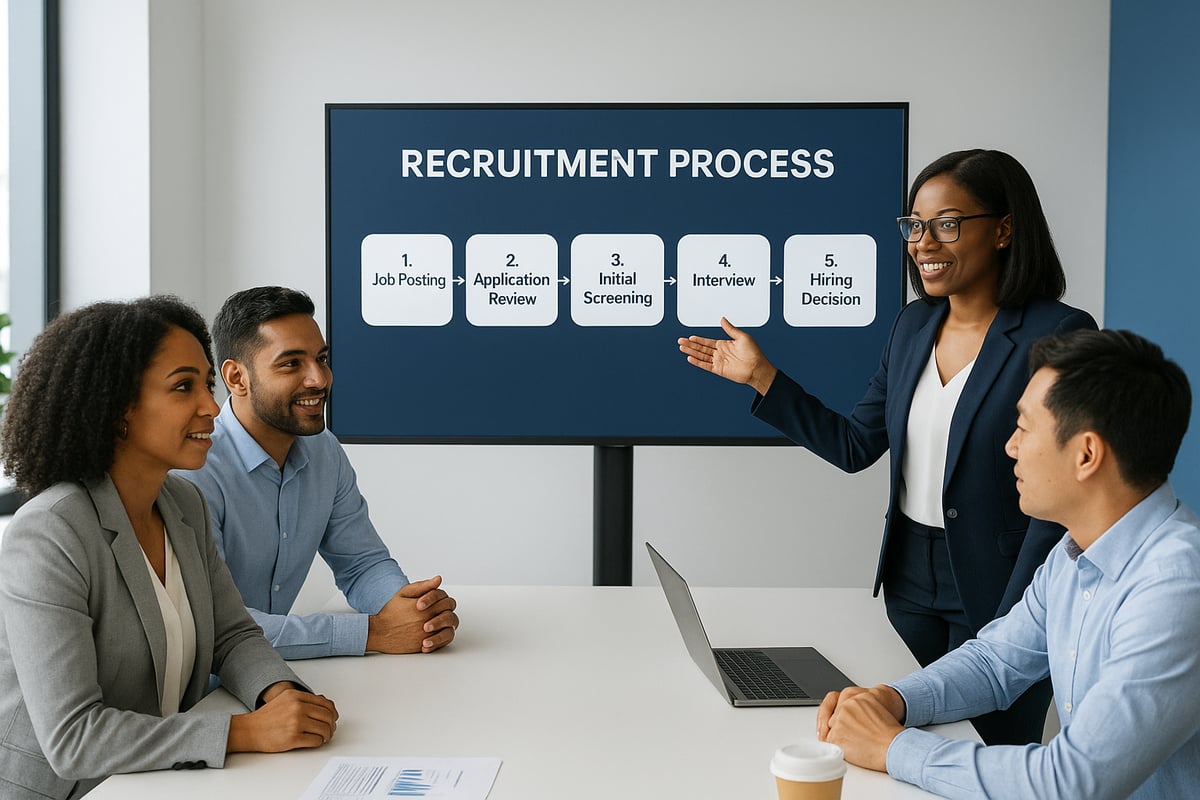
Navigating the modern candidate recruitment landscape requires a structured, agile approach. In 2026, organizations must rethink traditional hiring to keep pace with market shifts, candidate expectations, and technology. This step-by-step guide breaks down the essential phases of a successful candidate recruitment process, offering actionable strategies and real-world examples.
Step 1: Workforce Planning and Job Analysis
Effective candidate recruitment begins with strong workforce planning. Start by analyzing your current staffing levels and future needs. Use digital tools to map out skill gaps and forecast demand for specific roles.
Collaborate with department leaders to define the essential skills and competencies required for each position. A manufacturing company, for example, may leverage workforce analytics platforms to predict demand for technical roles as automation increases.
Key actions in this phase include:
Conducting a skills gap analysis.
Aligning job roles with long-term business objectives.
Using behavioral and aptitude assessments to specify role requirements.
By investing time in thorough job analysis, organizations set a solid foundation for the entire candidate recruitment process.
Step 2: Sourcing and Attracting Candidates
The next phase of candidate recruitment focuses on reaching the right talent. Craft compelling, SEO-optimized job ads that clearly state responsibilities and growth opportunities.
Leverage a mix of sourcing channels:
Job boards and professional networks.
Employee referrals and alumni networks.
Social media platforms and talent communities.
Employer branding plays a pivotal role here. Companies with a strong reputation see up to 2x more applicants for remote-first roles. Engaging passive candidates through personalized outreach and networking increases your chances of attracting high-quality applicants.
Remember, effective sourcing strategies ensure your candidate recruitment pipeline remains robust and competitive.
Step 3: Screening and Shortlisting Applicants
An efficient screening process is vital for candidate recruitment success. Automated screening tools and AI platforms help quickly filter applications, ensuring only the most qualified candidates move forward.
Implement skills and psychometric assessments to evaluate both technical abilities and cultural fit. Maintain fair, consistent evaluation criteria to minimize bias.
To ensure a structured and transparent approach, many organizations now follow a recruitment vetting process explained that includes blind resume reviews and standardized assessments.
Best practices include:
Leveraging AI to shortlist candidates in under seven days.
Using emotional intelligence assessments for leadership roles.
Documenting each decision for auditability.
A logistics firm, for instance, improved hiring accuracy by standardizing their vetting process across global offices.
Step 4: Interviewing and Candidate Assessment
This stage of candidate recruitment is where you truly get to know your applicants. Structured interviews, which use consistent questions and scoring, increase hiring accuracy by up to 30 percent compared to unstructured conversations.
Consider a mix of interview formats:
Panel interviews to gather diverse perspectives.
Competency-based questions to assess past behavior.
Situational and behavioral assessments for real-world problem-solving.
Tech companies often use coding challenges or case studies at this stage to evaluate critical thinking. Feedback should be prompt and constructive, ensuring a positive experience for all candidates.
Step 5: Offer, Negotiation, and Onboarding
The final step in the candidate recruitment process is making and securing the right offer. Craft competitive compensation packages, including flexible benefits and remote work options, to align with candidate priorities.
Address concerns transparently, and be prepared for counteroffers. Once accepted, seamless onboarding is essential. Personalized onboarding journeys can boost retention rates by up to 40 percent.
Key elements for success:
Clear communication of role expectations.
Early access to company resources and mentors.
Regular check-ins during the first months.
A well-structured candidate recruitment process in 2026 not only secures top talent but also sets the stage for long-term engagement and organizational growth.
Leveraging Technology and Automation in Recruitment
The landscape of candidate recruitment is rapidly evolving, thanks to the integration of advanced technology and automation. Organizations that adapt to these innovations are gaining a clear edge in attracting, evaluating, and hiring top talent. Understanding the tools and strategies that drive efficient candidate recruitment is essential for building high-performing teams in 2026.

The Role of Recruitment Software and AI
Recruitment software and artificial intelligence are transforming candidate recruitment from end to end. Applicant Tracking Systems (ATS) now automate workflows, streamline communication, and reduce manual errors. AI-powered platforms use predictive analytics to match candidates to roles based on skills, experience, and cultural fit.
These tools also help reduce unconscious bias by standardizing the initial screening process. For example, AI-driven algorithms can deliver high-quality shortlists in under seven days, allowing hiring teams to focus on relationship-building rather than repetitive tasks. Emerging innovations, such as AI in Talent Search Ranking, further enhance the precision of candidate selection and ranking, making the process more data-driven and objective.
By leveraging these technologies, organizations can improve candidate recruitment outcomes, minimize time-to-hire, and ensure a better fit between candidates and open positions.
Virtual Assessments and Remote Hiring
Virtual assessments have become a cornerstone of candidate recruitment, especially as remote and hybrid work models grow. Video interview platforms enable recruiters to evaluate candidates from anywhere, increasing access to a global talent pool. Online assessment tools allow for skills testing, personality profiling, and situational judgment exercises without geographical barriers.
Seventy-five percent of organizations now use video interviews as a standard practice, reflecting the shift in candidate recruitment strategies. Remote onboarding and training platforms further support seamless integration of new hires, regardless of location.
These advancements not only speed up the hiring process but also provide a consistent, fair candidate experience. By adopting virtual assessments, companies can assess a wider range of applicants while maintaining high standards in candidate recruitment.
Integrating Automation Without Losing the Human Touch
While automation brings efficiency to candidate recruitment, maintaining a personal connection remains crucial. Automated scheduling tools and chatbots can handle routine communication, but recruiters should supplement these with genuine, personalized interactions.
For example, an automated interview invitation can be followed by a recruiter’s personal check-in, ensuring candidates feel valued and informed. Automated feedback loops can keep applicants updated, reducing uncertainty and fostering trust in the candidate recruitment journey.
Striking the right balance between technology and human engagement leads to better hiring outcomes and stronger employer-candidate relationships. Organizations that blend automation with empathy will stand out in the competitive candidate recruitment market.
Enhancing the Candidate Experience for Long-Term Success
Delivering an outstanding candidate recruitment experience is essential for attracting and securing top talent in 2026. As the market becomes more competitive, every touchpoint matters. Organizations that prioritize a positive journey set themselves apart, making it easier to win and retain the best people.
Crafting a Positive Candidate Journey
Transparency is the foundation of a strong candidate recruitment process. Candidates expect clear communication at every stage, starting with acknowledgment of applications and continuing through interview scheduling and feedback. Providing timely updates and setting realistic expectations builds trust.
Respectful rejection processes also matter. Even when a candidate is not selected, offering constructive feedback and a courteous response leaves a positive impression. According to recent research, 58% of candidates decline offers after poor interview experiences. Companies with robust employer branding, as highlighted in Employer Branding's Impact on Recruitment, are more likely to maintain positive perceptions, even among those not hired.
Key actions for a positive journey:
Send prompt, personalized responses.
Share interview timelines and next steps.
Offer clear feedback after interviews.
Personalization and Relationship Building
Personalization elevates the candidate recruitment experience. Tailoring communications to each applicant—using their name, referencing their background, and addressing their interests—fosters genuine connection. Some organizations now send personalized video messages to top candidates, creating memorable interactions.
Building talent communities is another effective strategy. By nurturing relationships with past applicants, companies create a pool of engaged professionals for future openings. These communities can receive updates, invitations to events, and industry insights, which keeps the employer top of mind.
Consider these approaches:
Customized interview guides for each candidate.
Invitations to join exclusive talent groups.
Sharing company culture stories through digital channels.
Measuring and Improving Candidate Experience
Continuous improvement is vital in candidate recruitment. Gathering feedback through surveys or follow-up calls provides actionable insights. Tracking metrics like Net Promoter Score (NPS), time-to-hire, and offer acceptance rates helps identify strengths and areas for development.
A data-driven approach ensures that candidate experience evolves alongside changing expectations. Regularly reviewing feedback and making small adjustments can greatly impact the organization's reputation. For more insight into the measurable impact of candidate experience and employer branding, review the latest Key Employer Branding Statistics 2025.
Key metrics to monitor:
Metric | Why It Matters |
|---|---|
NPS | Gauges overall satisfaction |
Time-to-hire | Measures process efficiency |
Offer acceptance | Reflects candidate interest |
Refining the process based on these metrics ensures your candidate recruitment strategy remains competitive and future-ready.
Innovative Recruitment Tactics and Future Trends
In 2026, innovation is reshaping candidate recruitment, introducing new ways to engage, evaluate, and secure top talent. Organizations must embrace forward-thinking strategies to stay ahead. From gamification to global outreach, these trends are transforming the future of hiring.
Gamification, Assessments, and Skills Challenges
Gamification is driving engagement in candidate recruitment by turning assessments into interactive experiences. Companies now use gamified platforms to evaluate problem-solving, creativity, and technical skills. For instance, tech firms often deploy coding challenges early in the process, allowing candidates to demonstrate real-world abilities.
These innovative assessments offer several benefits:
Objective measurement of skills
Enhanced candidate motivation
Immediate performance feedback
By integrating gamification into candidate recruitment, organizations can identify high-potential talent while making the process enjoyable and memorable.
Data-Driven Decision Making in Recruitment
Data analytics are revolutionizing candidate recruitment, enabling smarter, faster hiring decisions. Recruiters leverage sourcing data, screening metrics, and predictive hiring models to forecast candidate success. This approach reduces guesswork and delivers measurable improvements.
Key data-driven tactics include:
Using analytics to track sourcing effectiveness
Applying predictive models for fit and retention
Monitoring diversity and inclusion metrics
According to industry research, 70% of HR leaders plan to invest in recruitment analytics by 2026. Incorporating data at every stage of candidate recruitment ensures continuous optimization and better outcomes.
Global and Remote Talent Acquisition
The global shift toward remote work has expanded the candidate recruitment landscape beyond traditional boundaries. Companies are now building remote-first teams and accessing international talent pools, which increases diversity and innovation.
Effective global recruitment involves:
Navigating compliance across regions
Leveraging virtual assessments and onboarding
Adapting communication to different cultures
To learn more about best practices for hiring remote teams, explore these Remote sales hiring best practices. Embracing global talent acquisition in candidate recruitment gives organizations a critical competitive edge.
Continuous Learning and Adaptation
Staying ahead in candidate recruitment means fostering a culture of continual learning. As trends and technologies evolve, recruitment teams must regularly update their skills and processes.
Strategies for continuous improvement include:
Investing in recruiter training and upskilling
Monitoring emerging tools and platforms
Encouraging feedback and agile adaptation
By prioritizing learning and flexibility, organizations can respond swiftly to changing demands and maintain excellence in candidate recruitment.
As we look ahead to 2026, it's clear that attracting and retaining top sales talent requires more than just traditional recruiting methods. You and I both know the hiring landscape is evolving—candidates want flexibility, meaningful work, and a seamless experience from start to finish. By embracing new strategies, leveraging technology, and prioritizing candidate experience, you can build a world class sales team without the usual hiring headaches. If you're ready to discover actionable steps and proven tactics tailored for high ticket businesses, I encourage you to Learn more about how you can gain a competitive edge in your recruitment process.