Hiring Placement Guide: Strategies for Success in 2026
Master hiring placement for 2026 with proven strategies, tech insights, and expert tips to attract top talent, boost retention, and drive business success.
published
The hiring landscape is evolving faster than ever, and the stakes for hiring placement have never been higher. Businesses must adapt quickly to stay ahead in a competitive, tech-driven market. Strategic hiring placement now sets industry leaders apart, making it a crucial business advantage. This guide delivers actionable strategies, emerging trends, and step-by-step frameworks to help you secure top talent and build resilient teams. Discover the latest tech innovations and expert insights for successful hiring placement in 2026.
Understanding the 2026 Hiring Landscape
The 2026 hiring landscape is rapidly transforming, setting new expectations for organizations aiming to stay competitive. Companies must adapt their hiring placement strategies to meet changing workforce trends, skill demands, and regulatory shifts. Understanding these dynamics is essential for building resilient, high-performing teams.

Shifting Workforce Demographics
By 2026, Gen Z and Millennials will make up the majority of the workforce, influencing hiring placement strategies across industries. Their preferences for flexibility and purpose-driven work are reshaping organizational norms. The shift toward remote and hybrid work models is pronounced, with Gartner reporting that 70% of companies plan to offer flexible work arrangements by 2026.
These changes require organizations to rethink how they approach hiring placement, ensuring that policies and cultures align with evolving employee expectations. Adapting to these demographic trends is no longer optional for attracting and retaining top talent.
Evolving Skill Requirements
Skill demands are evolving faster than ever, directly impacting hiring placement decisions. Employers now prioritize digital literacy, analytical thinking, and a wide range of soft skills. The surge in demand for AI expertise, data analytics, and effective communication is reshaping job descriptions and candidate assessments.
According to the Future of Jobs Report 2025, upskilling will be critical as millions of new roles emerge requiring advanced digital and interpersonal abilities. Organizations that align hiring placement with these projections will be better positioned for long-term success.
The Role of Employer Branding
Employer branding has become a pivotal factor in hiring placement. Today’s candidates are highly selective, often researching company reputation and culture before applying. Studies show that organizations with strong employer brands attract better talent and experience higher retention rates.
Highlighting authentic values, inclusive cultures, and growth opportunities is essential for successful hiring placement. Companies that invest in employer branding are more likely to become employers of choice in a competitive market.
The Impact of Globalization
Globalization is opening new doors for hiring placement by expanding access to international talent pools. Remote hiring platforms and digital collaboration tools make it easier than ever to recruit across borders. This trend allows companies to fill specialized roles quickly and efficiently, drawing from a diverse range of candidates.
However, hiring placement on a global scale introduces complexities such as cultural alignment and time zone management. Addressing these challenges requires thoughtful strategies and adaptable processes.
Regulatory and Compliance Changes
The regulatory landscape is shifting, affecting hiring placement practices worldwide. Anticipated changes in labor laws and hiring regulations will impact how organizations recruit and onboard talent, especially for multinational teams.
Companies must stay informed about evolving compliance requirements to avoid legal pitfalls. Proactive adaptation of hiring placement processes ensures not only legal adherence but also smoother international expansion.
Diversity, Equity, and Inclusion (DEI) Imperatives
DEI is now a non-negotiable element of effective hiring placement. Research from McKinsey consistently links diverse teams to higher profitability and innovation. As expectations for inclusive hiring rise, organizations must integrate DEI principles into every stage of the hiring placement process.
This includes using unbiased language in job postings, diverse interview panels, and transparent reporting of diversity metrics. Companies prioritizing DEI are better equipped to attract wide-ranging talent and foster a resilient workforce.
Technology’s Influence on Hiring
Technological innovation is revolutionizing hiring placement. AI-driven recruitment tools automate resume screening, candidate matching, and even initial interviews, reducing time-to-hire and improving decision quality. Automation supports unbiased hiring by minimizing manual errors and subjective judgments.
Data-driven approaches enable organizations to refine hiring placement strategies based on predictive analytics and performance metrics. Embracing these technologies will be essential for staying competitive in the evolving hiring landscape.
Step-by-Step Hiring Placement Strategies for 2026
Navigating hiring placement in 2026 requires a structured approach. With evolving market demands and new technologies, each step must be intentional and data-driven. Below, you will find a step-by-step guide to ensure your hiring placement process is both effective and future-ready.

Step 1: Workforce Planning and Needs Assessment
Start by aligning your hiring placement strategy with your business objectives. Analyze where your company is headed and what talent will be needed to achieve those goals. Use workforce analytics to forecast future staffing requirements, considering market expansion, scaling, or new product launches.
Engage department leaders to identify gaps in current skill sets. Scenario planning helps anticipate talent needs for different business outcomes. This approach ensures hiring placement is proactive, not reactive, and positions your organization for growth.
Step 2: Crafting Compelling Job Descriptions
A well-written job description is critical to successful hiring placement. Ensure each posting reflects the skills and attributes needed for the role, including both technical and soft skills. Highlight opportunities for growth, flexibility, and development to attract a wider pool of candidates.
Use inclusive language to welcome diverse applicants. According to LinkedIn, inclusive job ads attract 30 percent more applications. Make your expectations clear, and align your descriptions with market trends to improve hiring placement results.
Step 3: Sourcing Candidates in a Global Market
Expand your hiring placement reach by tapping into global talent pools. Utilize international job boards, remote hiring platforms, and talent marketplaces to access candidates beyond your local area. This approach increases options and enhances diversity within your team.
Employee referral programs remain a powerful sourcing tool, often leading to higher quality hires. Combining traditional and innovative sourcing methods strengthens your hiring placement outcomes and ensures you find top talent wherever they are.
Step 4: Screening and Assessment Innovations
Modern hiring placement relies on unbiased, efficient screening methods. Integrate AI-powered tools to review resumes, assess skills, and reduce bias. Video interviews and gamified assessments offer deeper insights into candidate abilities and fit.
Automation can significantly decrease time-to-hire, allowing your team to focus on high-value tasks. For a detailed look at robust evaluation tactics, review the vetting process for candidates to enhance your screening strategy and improve hiring placement accuracy.
Step 5: Interviewing for Skills and Culture Fit
Effective interviews go beyond technical skills. Structure conversations to evaluate both competencies and alignment with company culture. Use behavioral and situational questions, such as the STAR (Situation, Task, Action, Result) technique, to gain meaningful insights.
Incorporate multiple interviewers for balanced perspectives. This holistic approach to interviewing ensures hiring placement decisions support long-term team success and retention.
Step 6: Data-Driven Decision Making
Leverage predictive analytics to inform your hiring placement choices. Analyze data from past hires to identify patterns that lead to high performance and retention. Scorecards and structured evaluation criteria help reduce personal bias and focus on measurable results.
Case studies show companies using analytics experience improved quality-of-hire and lower turnover. Data-driven hiring placement is key to building resilient, adaptable teams.
Step 7: Seamless Onboarding and Integration
A smooth onboarding process is essential for hiring placement success. Design onboarding programs that support remote and hybrid employees, utilizing digital platforms for training and communication. Early engagement boosts productivity and retention.
Establish feedback loops to address new hires' concerns and support their integration. Effective onboarding ensures your hiring placement efforts translate into long-term contributions.
Step 8: Continuous Improvement and Feedback Loops
Monitor hiring placement metrics such as time-to-hire, quality-of-hire, and candidate experience. Collect feedback from candidates and hiring managers to identify strengths and areas for improvement.
Regularly review and optimize your processes. Adopting a continuous improvement mindset ensures your hiring placement strategy remains agile and effective in a changing landscape.
Leveraging Technology for Smarter Hiring Placement
Technology is revolutionizing hiring placement strategies for 2026. New digital tools are making it easier to find, assess, and onboard top talent faster than ever. Harnessing these innovations can give your organization a measurable edge in a competitive market.
AI and Automation in Recruitment
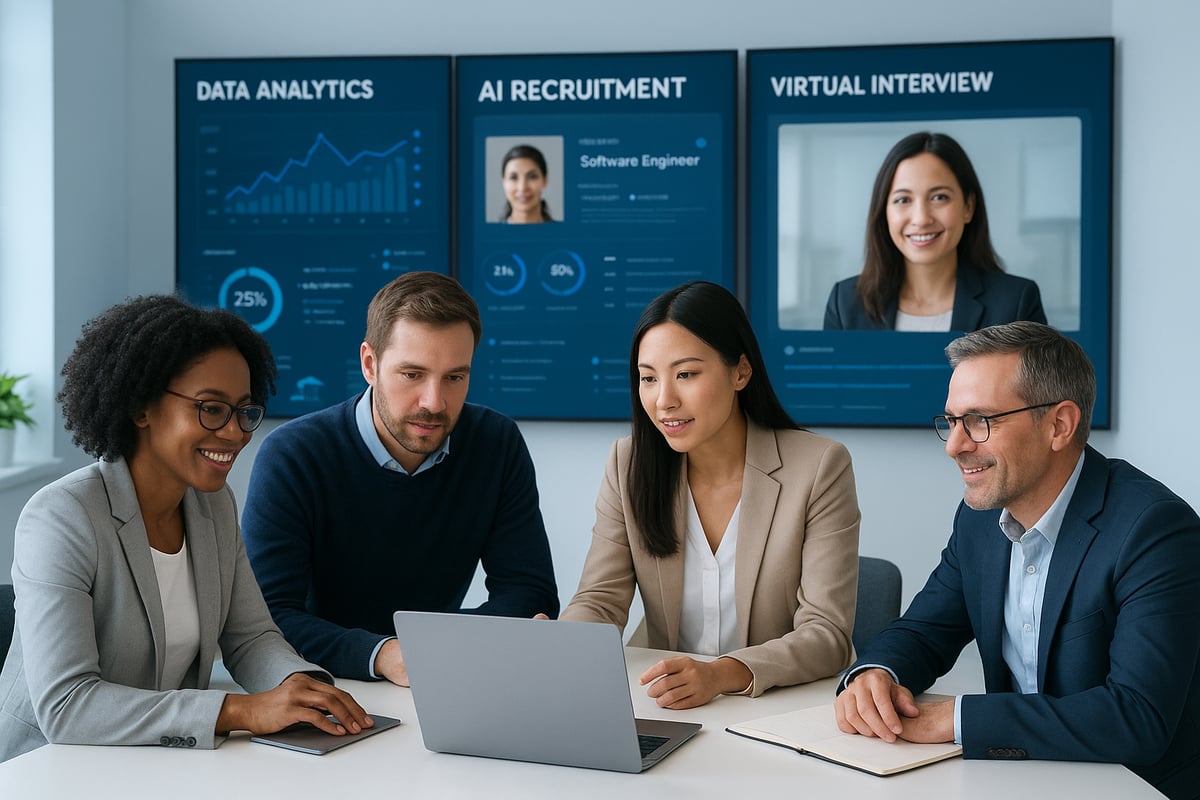
AI has become a cornerstone of efficient hiring placement. Modern recruitment platforms use AI to automate repetitive tasks like sourcing, resume screening, and interview scheduling. Chatbots can answer candidate questions instantly, improving engagement and reducing drop-off rates.
For example, AI algorithms analyze thousands of profiles to identify the best matches for open roles. This precision speeds up the process and helps remove unconscious bias, ensuring a fairer hiring placement. To explore how leading companies leverage these tactics, see Sales recruiting strategies.
Automation also supports recruiters by handling scheduling, follow-ups, and reminders. As a result, hiring teams can focus on building relationships and evaluating fit, rather than administrative tasks.
Predictive Analytics and Talent Intelligence
Predictive analytics is transforming hiring placement by turning data into actionable insights. These tools forecast which candidates are likely to succeed and stay long-term, based on historical data and performance trends.
Talent intelligence platforms combine internal workforce data with external labor market information. This helps organizations anticipate skill gaps and adjust hiring placement strategies accordingly.
HR leaders can use predictive analytics to identify high-potential candidates early in the process. This proactive approach leads to better hiring placement outcomes and supports long-term business goals.
Virtual Assessments and Remote Interviewing
Virtual assessments and remote interviewing are now standard in hiring placement. Companies use VR simulations and gamified evaluations to measure technical skills and soft abilities in real-world scenarios.
Video interviews allow hiring teams to connect with candidates worldwide, breaking down geographical barriers. These digital tools also provide a consistent and structured way to compare applicants.
Gamified platforms make the process engaging for candidates while delivering objective data to hiring managers. Virtual assessments support a more inclusive and scalable hiring placement model.
Applicant Tracking Systems (ATS) and Integration
Modern ATS platforms are central to effective hiring placement. They offer collaboration features, analytics dashboards, and built-in compliance tools to streamline the hiring workflow.
Integration with HRIS and onboarding solutions provides a seamless experience for both candidates and recruiters. Automated status updates and document management minimize manual errors.
A robust ATS ensures every step of the hiring placement process is tracked and optimized. This transparency supports data-driven decisions and improves overall efficiency.
Data Privacy and Security Considerations
With increased reliance on digital hiring placement tools, data privacy is critical. Organizations must comply with regulations such as GDPR and local data protection laws.
Best practices include encrypting candidate information, limiting access to sensitive data, and conducting regular security audits. Transparent privacy policies help build trust with applicants.
Security measures must be embedded in every stage of hiring placement, from application to onboarding. Protecting candidate data is essential for maintaining a strong employer brand.
Measuring ROI of Recruitment Technology
Measuring the ROI of technology in hiring placement is vital for continuous improvement. Key metrics include cost-per-hire, time-to-hire, and quality-of-hire.
Recruitment analytics tools make it easy to track performance and identify areas for optimization. Companies can compare pre- and post-implementation data to quantify the impact of new solutions.
Regularly reviewing these metrics ensures hiring placement efforts remain aligned with business objectives. Investing in the right technology delivers lasting value and a competitive edge.
Building a Winning Employer Brand for 2026
Establishing a strong employer brand is essential for successful hiring placement in an increasingly competitive market. As organizations plan for 2026, how you present your company to candidates will directly impact your ability to attract and retain top talent. A winning employer brand is multifaceted, reflecting authentic values, a positive candidate journey, and a commitment to diversity and reputation management.

Defining and Communicating Company Values
A clear set of company values is the cornerstone of effective hiring placement. Candidates want to work for organizations whose mission and culture align with their own beliefs. Define your core values and integrate them into all recruitment materials, from job descriptions to onboarding content.
Share stories that illustrate how these values shape daily work life. For example, highlight company initiatives or achievements that reflect your commitment to integrity or innovation. Consistent, value-driven messaging will attract candidates who are the right fit for your team, strengthening your hiring placement results.
Enhancing Candidate Experience
Streamlining the application process is crucial for positive hiring placement outcomes. Candidates expect a fast, accessible, and transparent journey from application to offer. Simplify forms, provide timely updates, and personalize communication to demonstrate respect for each applicant’s time.
A seamless experience also helps in finding the right candidate fit, ensuring that both parties are aligned on expectations and culture. Remember, every interaction shapes the perception of your employer brand, making candidate experience a non-negotiable priority for hiring placement.
Social Proof and Employee Advocacy
Leveraging social proof is a powerful way to boost your hiring placement strategy. Encourage employees to share their stories on platforms like LinkedIn and Glassdoor. Authentic testimonials and day-in-the-life content provide candidates with a window into your workplace culture.
Maintain an active social media presence to showcase achievements, team celebrations, and career growth opportunities. When prospective hires see real employee experiences, they are more likely to trust your brand and consider your company for their next career move, enhancing hiring placement effectiveness.
Diversity, Equity, and Inclusion as Brand Pillars
A commitment to diversity, equity, and inclusion is now a major differentiator in hiring placement. Publicly share your DEI initiatives, such as mentorship programs or transparent diversity reporting. Highlight real-world impacts, like increased representation in leadership roles or inclusive benefits.
Candidates are increasingly seeking employers who prioritize fairness and belonging. Position DEI as a core element of your brand to appeal to a wider, more talented pool. This will not only improve your hiring placement outcomes but also contribute to stronger, more innovative teams.
Monitoring and Managing Employer Reputation
Ongoing reputation management is vital for sustained hiring placement success. Use monitoring tools to track feedback across job boards and social media. Proactively address negative reviews and gather insights from candidate surveys to identify areas for improvement.
Regularly update your employer profiles with new achievements, team milestones, and culture highlights. By actively managing your reputation, you build trust with potential hires and reinforce the strength of your employer brand, leading to more effective hiring placement.
Future-Proofing Your Hiring Placement Strategy
The future of hiring placement depends on proactive strategies that keep pace with an evolving workforce. For leaders aiming to secure talent and adapt to change, building resilience is essential. Let’s explore how you can future-proof your hiring placement approach and stay ahead of market trends.
Embracing Agility and Flexibility
Today’s organizations must pivot quickly to respond to shifting business needs. Flexible hiring placement models, like on-demand and project-based talent pools, enable rapid adaptation. According to Gartner on Flexible Work Models, companies that embrace flexible arrangements see higher productivity and satisfaction. By prioritizing agility, you position your team for sustainable growth.
Investing in Ongoing Learning and Upskilling
Continuous development ensures your workforce remains competitive as skill requirements evolve. Implementing upskilling programs and encouraging lifelong learning should be a core part of your hiring placement strategy. The Top 10 In-Demand Skills 2025 highlight analytical thinking and digital literacy as critical for future success. Investing in learning prepares both new hires and existing employees for tomorrow’s challenges.
Fostering a Culture of Feedback and Adaptation
A feedback-driven culture strengthens hiring placement by enabling rapid improvements. Regularly collect insights from candidates and new hires about their experience. Use this feedback to refine processes, enhance onboarding, and address areas for growth. This adaptive mindset leads to higher retention and a stronger employer brand.
Scenario Planning for Talent Needs
Scenario planning prepares your organization for workforce shifts due to automation, economic change, or market disruption. Cross-training employees for multiple roles ensures business continuity. By anticipating potential challenges, your hiring placement strategy can remain resilient and responsive.
Leveraging External Partnerships
Collaborating with recruitment agencies, universities, and specialized talent networks expands your reach. Such partnerships are especially valuable for niche or hard-to-fill roles. Consider the benefits:
Access to broader talent pools
Industry-specific expertise
Reduced time-to-hire
Strategic alliances can help you scale teams efficiently and minimize hiring risks.
Monitoring Key Metrics and Trends
Track key hiring placement metrics to inform ongoing strategy. Metrics to monitor include:
Metric | Purpose |
|---|---|
Quality-of-hire | Measure employee impact |
Retention rate | Assess long-term fit |
Candidate satisfaction | Optimize candidate journey |
By analyzing data, you can adjust your approach and ensure consistent, measurable success.
As you look ahead to the challenges and opportunities of hiring in 2026, it’s clear that a strategic, tech-driven approach is essential for building high-performing sales teams. We’ve explored how evolving skills, global talent pools, and smart placement strategies can set your business apart—and how leveraging expert partners can simplify even the most complex hiring needs. If you’re ready to take the next step and discover how pre-vetted sales talent can accelerate your growth, I invite you to Learn more about smarter, faster hiring solutions tailored to your goals.