
Ready to Hire Guide: Your Essential Handbook for 2026
Master the ready to hire process for 2026 with expert strategies on workforce trends, compliance, and technology to secure top talent and build resilient teams.
published
Hiring in 2026 brings both complexity and opportunity, as technology, remote work, and shifting talent pools reshape the landscape. The difference between a costly mis-hire and building a standout team has never been greater.
Organizations that become truly ready to hire will unlock innovation, boost retention, and stay ahead of the competition. This guide is your essential, step-by-step resource to help businesses and hiring managers succeed in 2026.
Explore workforce trends, preparation steps, recruitment strategies, modern assessment methods, onboarding, and compliance essentials—everything you need for hiring success.
Understanding the 2026 Hiring Landscape
Navigating the 2026 hiring landscape requires a forward-thinking approach. Businesses that are ready to hire must understand the dramatic shifts shaping talent acquisition. From evolving work models to new compliance demands, staying ahead means adapting strategies for a more digital, diverse, and competitive world.
Key Workforce Trends for 2026
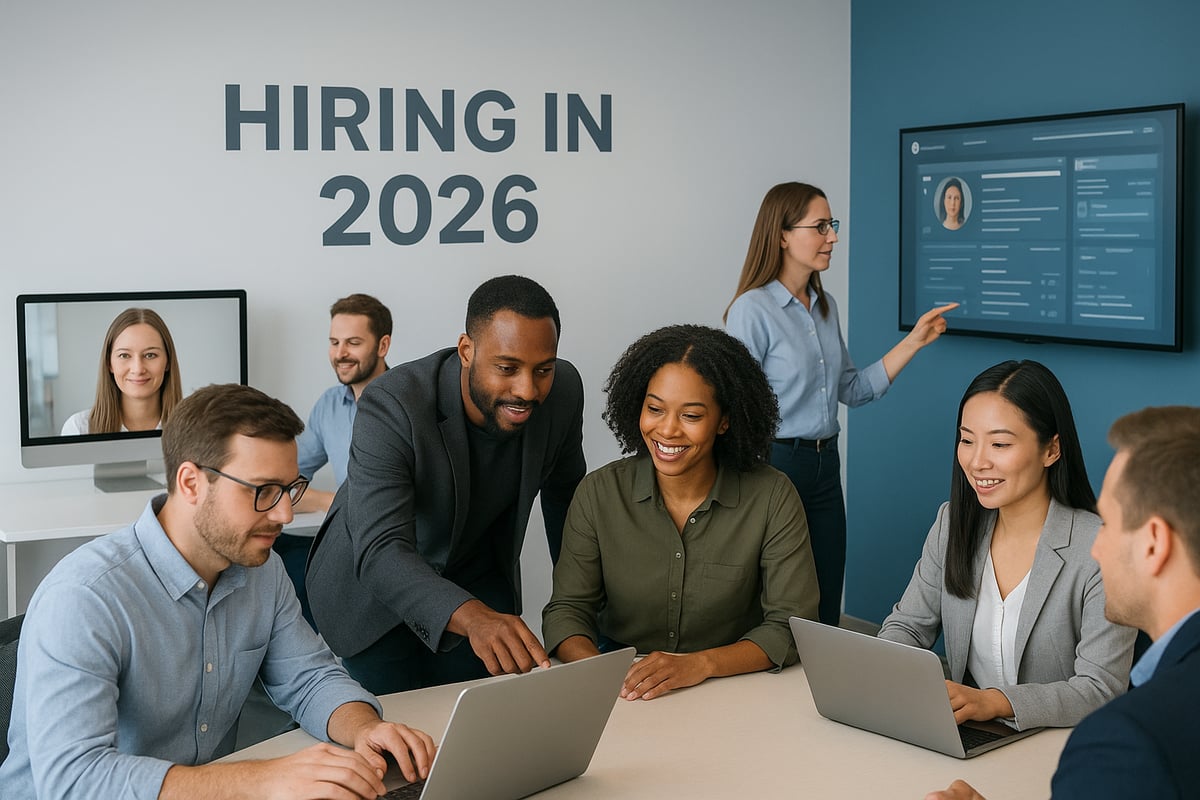
The workforce in 2026 is undergoing rapid transformation. Remote and hybrid work models are now mainstream, with 60 percent of global companies supporting flexible arrangements. This shift means organizations that are ready to hire must offer adaptability to attract top talent.
Digital skills and AI literacy are in higher demand than ever. Companies are prioritizing candidates who can thrive in automated environments and adapt quickly to new technologies. Diversity, equity, and inclusion (DEI) have moved to the forefront of hiring priorities, ensuring teams reflect a wide range of backgrounds and perspectives.
Generational changes are also significant. Gen Z and Millennials make up the majority of the workforce, bringing new expectations for purpose, flexibility, and technology in the workplace. Automation is reshaping job roles, requiring a fresh approach to defining competencies and responsibilities.
The Talent Shortage and Competition
The global talent shortage is a pressing concern for organizations ready to hire. By 2030, the world could face a shortfall of 85 million skilled workers, with sectors like tech, sales, and healthcare feeling the impact most deeply. Companies must act fast and streamline processes to avoid missing out on top candidates.
High competition for elite talent means employer branding and candidate experience are critical. Slow or outdated hiring practices can cause businesses to lose sought-after professionals to more agile rivals. According to global talent shortage statistics, the pressure is only increasing, making a proactive approach essential for those ready to hire.
Organizations that invest in modern sourcing and recruitment stand out in a crowded market. The ability to quickly connect with and engage high-quality candidates sets successful employers apart.
Regulatory and Compliance Shifts
Compliance is evolving rapidly, presenting new challenges for companies ready to hire. Labor laws governing remote work, data privacy, and the use of AI in recruitment are being updated worldwide. Salary transparency regulations in regions like the US and EU mean businesses must be open about pay structures from the outset.
The adoption of AI-driven hiring tools brings new ethical considerations. Organizations are expected to ensure fairness, avoid bias, and comply with regulations such as the Colorado AI Act. Compliance failures can lead to legal consequences, reputational damage, and lost opportunities for those ready to hire.
Staying informed and proactive about regulatory changes is crucial. Businesses should regularly review their processes and train teams on the latest requirements.
The Role of Technology in Modern Hiring
Technology is at the heart of the ready to hire journey in 2026. AI-powered applicant tracking systems, automated scheduling, and skills assessments are now standard. These tools help reduce bias, streamline screening, and improve hiring outcomes.
Video interviews and digital collaboration platforms enable seamless remote recruitment. Data-driven decision-making empowers teams to identify the best candidates efficiently. Organizations adopting these technologies often see marked improvements in time-to-hire, quality-of-hire, and candidate satisfaction.
Case studies show that companies leveraging modern hiring platforms can transform their talent acquisition processes. The right technology stack is essential for any business looking to be truly ready to hire in a digital-first era.
Future-Proofing Your Hiring Strategy
To remain ready to hire in 2026 and beyond, agility is key. Recruitment teams must embrace continuous learning and adapt quickly to new trends and regulations. Building a resilient hiring process means being open to change and investing in ongoing training.
A future-proof hiring strategy includes regular process reviews, feedback loops, and a willingness to innovate. Organizations that foster this adaptability are better equipped to attract, onboard, and retain top talent in an ever-changing landscape. Staying ready to hire means being prepared for whatever the future of work may bring.
Preparing to Hire: Laying the Groundwork
Getting your organization ready to hire in 2026 means more than posting a job online. It requires a strategic approach to workforce planning, compensation, branding, and process optimization. Each step you take now sets the stage for attracting and retaining the best talent in a changing landscape.

Defining Your Hiring Needs
The first step in becoming truly ready to hire is clarifying what your organization needs. Start with a thorough workforce planning session to identify current gaps and anticipate future roles. Conduct a skills gap analysis to evaluate where existing teams may fall short against evolving business goals.
Align every hiring decision with your company’s broader objectives. This ensures each new role actively supports organizational growth. Update job descriptions to reflect 2026’s new requirements, focusing on digital skills, adaptability, and remote work capabilities. Being ready to hire means your roles are future-proof and clearly defined, avoiding costly mis-hires.
Setting Budgets and Compensation Benchmarks
A competitive compensation strategy is essential when you are ready to hire top talent. Analyze real-time market salary data to determine what candidates expect in your industry and region. Consider not just salary, but also benefits, remote work stipends, and unique perks that differentiate your offer.
Leverage compensation benchmarking tools for accuracy and transparency. This helps avoid lowballing candidates or overextending your budget. When you are ready to hire, having a clear, data-backed compensation package signals professionalism and attracts the right applicants.
Building a Compelling Employer Brand
Your employer brand is a powerful tool when you are ready to hire. Showcase your company’s culture, mission, and values across all platforms. Use employee testimonials, success stories, and social proof to build trust and credibility with potential applicants.
Optimize your online presence, especially your careers page, to reflect authenticity and inclusivity. Job seekers in 2026 will research your reputation before applying, so ensure your messaging is consistent and engaging. A strong brand makes you stand out and helps you attract candidates who share your vision.
Streamlining Internal Processes
Efficient internal processes are non-negotiable when you are ready to hire in a competitive market. Establish clear approval workflows and set realistic timelines for each hiring stage. Train hiring managers in up-to-date recruitment best practices so everyone is aligned.
Promote collaboration among HR, department heads, and leadership to avoid bottlenecks. Use checklists and shared digital tools to keep the process transparent and trackable. A streamlined approach means you can move quickly when you are ready to hire, reducing delays and improving the candidate experience.
Sales Talent Recruitment: The Sales Match Advantage
For high-ticket businesses, being ready to hire elite sales talent can be challenging. Traditional methods often result in long lead times and mismatched candidates. That is where platforms offering pre-vetted talent, like Sales Match, make a difference.
With an eight-step vetting process, custom matching, and seamless integration, Sales Match enables rapid placement of high-performing sales professionals. This approach reduces time-to-hire from months to under two weeks, delivering speed, accuracy, and cost savings. For more strategies and tips, explore their sales talent recruitment insights to enhance your ready to hire process.
Step-by-Step Guide to the 2026 Hiring Process
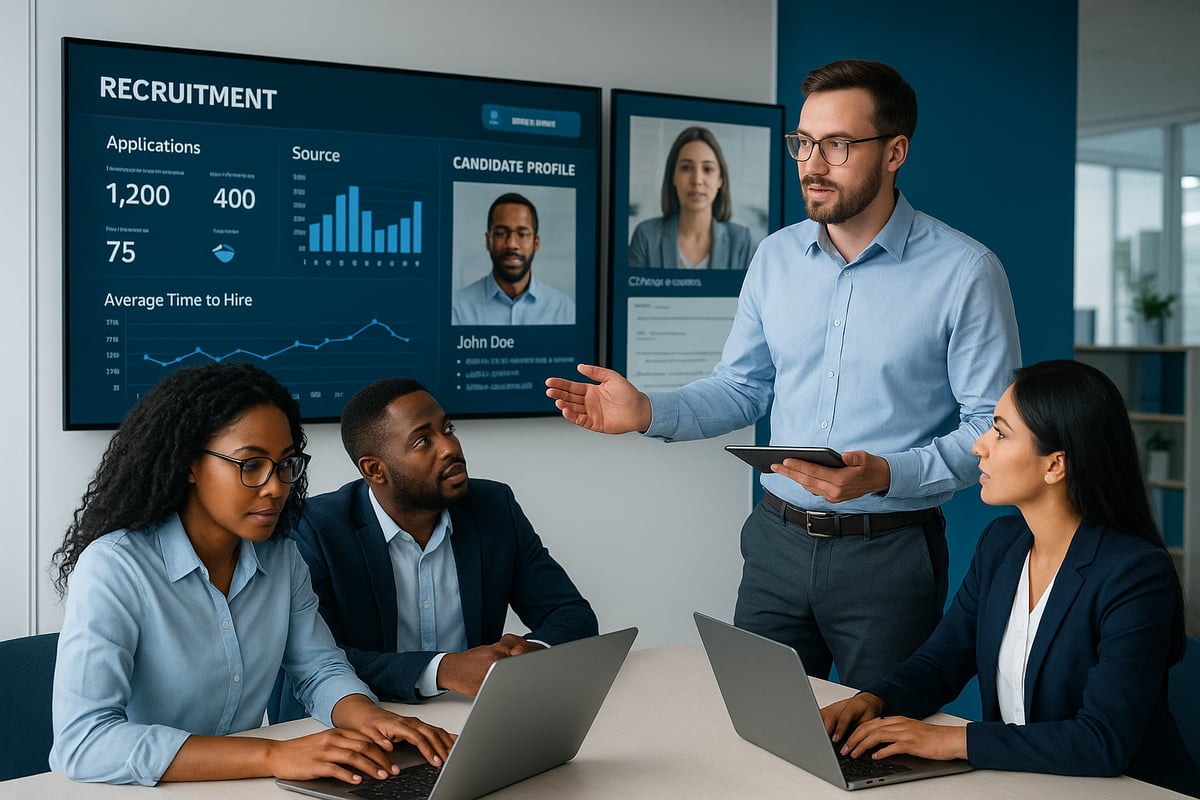
The ready to hire process in 2026 demands a strategic, tech-enabled approach. Each step in this guide is designed to help you attract, assess, and onboard top talent efficiently. By following these actionable steps, your business can secure the right people for future growth.
Step 1: Crafting the Perfect Job Listing
Start your ready to hire journey by creating a job listing that stands out. Use inclusive language that welcomes candidates from all backgrounds. Focus on skills and competencies rather than outdated requirements.
Highlight remote and hybrid work options to attract wider talent pools. Make sure to showcase growth opportunities and your company's commitment to DEI. Optimizing your job listing for SEO on job boards and social media will increase visibility.
Include clear expectations and a concise overview of your culture. By making your listing transparent and engaging, you set the tone for a successful ready to hire process.
Step 2: Sourcing Candidates Effectively
Sourcing is a critical stage in the ready to hire process. Leverage platforms like LinkedIn, niche job boards, and specialized talent marketplaces to reach qualified candidates.
Encourage employee referrals and tap into alumni networks for trusted recommendations. Personalized outreach helps engage passive talent who may not be actively looking. Consider hosting virtual events or webinars to attract interest.
A multi-channel sourcing approach will increase your chances of finding the best fit. Remember, a robust pipeline is essential for a seamless ready to hire experience.
Step 3: Screening and Shortlisting
Efficient screening is vital for any ready to hire strategy. Utilize AI-powered screening tools to quickly filter resumes and applications based on skills and experience.
Structure phone or video interviews to ensure consistency and fairness. Skills assessments and work samples provide objective insights into candidate capabilities. For sales roles, consider the Pre-vetted sales candidates process to streamline your evaluation and ensure only top performers advance.
Consistent screening methods help reduce bias and accelerate the ready to hire timeline.
Step 4: Conducting Modern Interviews
The interview phase is a cornerstone of the ready to hire approach. Use behavioral and situational interview techniques to assess real-world problem-solving.
Implement structured scoring rubrics to minimize unconscious bias and ensure objective evaluation. Panel interviews offer multiple perspectives, while candidate presentations showcase communication skills.
Encourage candidates to share past successes and challenges. Modern interviews should provide a two-way dialogue, ensuring the ready to hire process identifies both skills and cultural alignment.
Step 5: Assessing Culture and Team Fit
Culture fit is increasingly important in the ready to hire process. Evaluate soft skills like adaptability, collaboration, and values alignment through group exercises or culture-fit assessments.
Invite candidates to participate in team discussions or project simulations. Real-world examples of successful integration can show what works best for your organization.
Balancing technical skills with cultural compatibility ensures your ready to hire efforts result in cohesive, high-performing teams.
Step 6: Making the Offer and Negotiation
Once you identify your top choice, move quickly in the ready to hire process to extend a competitive offer. Craft clear, concise offer letters outlining salary, benefits, remote work arrangements, and growth opportunities.
Prepare for negotiations by understanding market benchmarks and your candidate’s priorities. Address counteroffers and concerns transparently to build trust.
A swift, professional offer process demonstrates your company’s commitment and can help secure top talent in your ready to hire journey.
Step 7: Reference and Background Checks
Reference and background checks are essential for a responsible ready to hire process. Verify employment history, credentials, and relevant achievements to confirm the candidate’s qualifications.
Automated background check platforms can speed up this step while maintaining accuracy. Always comply with privacy laws and obtain candidate consent before proceeding.
Thorough checks protect your business and ensure only fully vetted individuals complete the ready to hire process.
Step 8: Preboarding and Onboarding Planning
A strong onboarding plan is the final step in a ready to hire strategy. Begin with preboarding: send welcome materials, outline expectations, and introduce key team members before day one.
Assign mentors or onboarding buddies to support new hires. Prepare detailed first-week schedules and training plans to accelerate integration.
A structured onboarding process ensures new employees feel valued and prepared, maximizing the impact of your ready to hire efforts.
Step 9: Continuous Feedback and Improvement
The ready to hire process does not end with onboarding. Collect feedback from candidates and new hires to identify strengths and areas for improvement.
Analyze recruitment metrics such as time-to-hire, cost-per-hire, and quality-of-hire. Use these insights to iterate and refine your hiring process.
Continuous improvement ensures your ready to hire strategy remains effective, agile, and aligned with evolving business needs.
Assessing and Selecting Top Talent
Recruiting in 2026 means more than just scanning resumes. To be truly ready to hire the best, organizations must deploy data, technology, and human insight. The next steps will help you differentiate high-potential candidates and build a workforce equipped for tomorrow’s challenges.

Leveraging Data-Driven Assessments
To be ready to hire in 2026, data-driven assessments are essential. These tools go beyond gut instinct, providing objective measures of each candidate’s abilities. Skills tests, cognitive assessments, and predictive analytics help forecast future job performance accurately.
A well-designed assessment process reduces bias and ensures fairness for all applicants. By standardizing evaluations, you can compare candidates on equal footing. This approach also streamlines hiring, saving time and resources.
Consider using a mix of assessment types:
Assessment Type | Purpose | Benefit |
|---|---|---|
Skills Tests | Measure technical ability | Objective comparison |
Cognitive Assessments | Evaluate problem-solving | Predicts performance |
Personality Questionnaires | Assess soft skills | Team fit |
When you are ready to hire, leveraging these methods ensures you select candidates who can truly excel.
Behavioral and Situational Analysis
Behavioral and situational interviews are vital for understanding how candidates act under pressure. The STAR (Situation, Task, Action, Result) method is widely used to structure these questions. It helps you uncover real examples of past achievements and problem-solving.
For companies that are ready to hire, scenario-based questions and realistic job previews reveal how candidates handle challenges specific to your business. Simulations, such as role-plays or case studies, provide insights into adaptability and decision-making.
Look for patterns in responses. High-potential candidates demonstrate self-awareness, resilience, and a growth mindset. These qualities are crucial for long-term success.
Soft Skills and Emotional Intelligence
Soft skills are often the deciding factor when you’re ready to hire, especially for remote or hybrid teams. Communication, collaboration, and adaptability are critical in a fast-evolving workplace. Emotional intelligence (EQ) influences how well new hires manage relationships and resolve conflict.
To assess these areas, use structured exercises like group discussions, problem-solving tasks, and peer feedback. Digital tools can measure soft skills objectively, adding consistency to your process.
Remember, a candidate’s technical skills may get them noticed, but soft skills are what help them thrive and contribute to your company’s culture.
Culture Add vs. Culture Fit
Companies that are ready to hire top talent increasingly focus on culture add, not just culture fit. Instead of seeking people who simply blend in, look for candidates who bring new perspectives and strengths to your team.
Diverse teams drive innovation and business growth. Use inclusive evaluation techniques, such as panel interviews and standardized scoring, to minimize bias. Case studies show that organizations prioritizing diversity and value-add hiring outperform their peers in creativity and retention.
Aim to build a workforce that reflects a variety of backgrounds, experiences, and viewpoints. This approach makes your business more resilient and adaptable.
Avoiding Common Assessment Pitfalls
Even the most advanced tools can fall short if not used thoughtfully. Over-reliance on resumes or credentials may overlook hidden talent. Unconscious bias can creep in during interviews or evaluations, impacting fairness.
To avoid these pitfalls and remain ready to hire the best, combine human judgment with technology. Use standardized rubrics, diverse interview panels, and regular training on fair assessment. Stay informed about AI hiring compliance risks to protect your process and reputation.
Ultimately, a balanced approach ensures your hiring is both effective and compliant, setting your team up for long-term success.
Onboarding for Long-Term Success
A truly effective ready to hire strategy does not end with the offer letter. The onboarding phase is where new hires begin their journey, shaping their early impressions and long-term engagement. Companies that invest in structured onboarding programs see higher retention, faster productivity, and stronger alignment with business goals.
Designing a Seamless Onboarding Experience
A seamless onboarding experience starts before day one. Preboarding steps, such as sharing welcome materials and introducing the team, help new hires feel valued. A structured onboarding plan, often mapped out over 30, 60, and 90 days, ensures clarity around roles and expectations.
Digital onboarding platforms streamline paperwork, training modules, and communication. This is especially important for businesses that are ready to hire in a fast-moving market. By leveraging technology, you can deliver a consistent and personalized experience to every new employee.
Key elements of an effective onboarding plan include:
Clear task lists for the first week
Scheduled check-ins with managers
Access to essential tools and resources
Integrating New Hires into Remote/Hybrid Teams
With remote and hybrid work now the norm, integrating new hires requires intentional connection. Virtual team introductions, digital engagement activities, and regular video calls help bridge physical distance. Setting clear communication norms, such as preferred channels and response times, prevents confusion.
Assigning mentors or onboarding buddies accelerates relationship-building and knowledge transfer. Companies that are ready to hire diverse talent should emphasize inclusion and accessibility from the start. Tactics like virtual coffee chats or team-building games can foster camaraderie.
For sales organizations, building a strong sales department hinges on effective onboarding, ensuring every team member is set up for success from day one.
Measuring Onboarding Effectiveness
Evaluating the success of your onboarding process is vital for continuous improvement. Track ramp-up time, early performance metrics, and employee engagement scores to measure impact. Collecting feedback through surveys or one-on-one sessions uncovers areas for refinement.
Successful ready to hire programs use onboarding analytics to drive decisions. This includes reviewing:
Time to productivity
Retention rates after 90 days
New hire satisfaction scores
Leading companies also benchmark their onboarding outcomes against industry standards, ensuring they stay competitive in attracting and retaining top talent.
Retention Starts Day One
Retention is built into the ready to hire process from the first interaction. Effective onboarding links early experiences to long-term engagement and performance. Begin career development planning right away, discussing growth paths and future opportunities with new hires.
By creating a welcoming, structured, and growth-oriented onboarding journey, organizations lay the foundation for lasting success. This approach not only supports retention but also ensures your team is prepared to meet the challenges of 2026 and beyond.
Legal, Compliance, and Diversity Essentials for 2026
Navigating the legal landscape is critical for any organization that is ready to hire in 2026. With evolving regulations, technological advancements, and a renewed focus on inclusion, businesses must adapt quickly to remain competitive and compliant. Understanding the essentials below will help you build a strong, future-proof hiring process.
Navigating Global and Local Labor Laws
Staying compliant with labor laws is pivotal for companies that are ready to hire across borders. Regulations now address remote work, international contracts, and multi-state payrolls. Pay transparency laws in both the US and EU require clear salary disclosures, impacting how you craft job postings and offers.
Key regulations to monitor include:
Remote work mandates and tax implications by region
Equal pay and anti-discrimination statutes
Local employment contracts for international hires
Failing to align with these requirements can lead to costly penalties or reputational risks. To stay ready to hire, keep legal counsel engaged and regularly update internal policies as laws evolve.
Ensuring Data Privacy and Security
As businesses become more data-driven, protecting candidate information is a top priority for anyone ready to hire. Compliance with GDPR, CCPA, and other global privacy standards is non-negotiable.
Best practices include:
Using encrypted applicant tracking systems
Limiting access to sensitive data
Regularly auditing recruitment tech for security
A data breach can undermine trust and delay your ready to hire efforts. Train your team on privacy basics and ensure all software vendors meet regulatory standards.
Promoting Diversity, Equity, and Inclusion (DEI)
A robust DEI strategy is essential for organizations that are ready to hire and want to attract top talent. Set measurable hiring goals for gender, ethnicity, and other underrepresented groups. Remove bias from job descriptions by using neutral language and standardized assessments.
Track and report on diversity metrics to ensure accountability. Companies that prioritize DEI build stronger teams and foster innovation. Make DEI a visible part of your ready to hire process, from sourcing to onboarding.
Ethical Use of AI and Automation in Hiring
AI-driven tools are transforming how companies become ready to hire. However, ethical considerations and legal requirements are rapidly evolving. Regulatory frameworks, such as the Colorado AI Act overview, now set clear guidelines for transparency and fairness in automated hiring.
To ensure compliance:
Audit AI tools for bias
Provide explanations for automated decisions
Stay current with regional AI regulations
Ethical use of AI not only protects your business, but also enhances candidate trust in your ready to hire process.
Building a Compliant and Inclusive Hiring Process
Document every hiring decision and maintain clear audit trails when you are ready to hire. Ensure equal opportunity by making your application process accessible to all candidates, including those with disabilities.
Highlight examples of companies that excel in both compliance and inclusion. Regularly review your process to identify gaps and make improvements. By embedding compliance and inclusivity at every stage, you ensure your organization is always ready to hire in a rapidly changing world.
As you look ahead to building your dream sales team in 2026, remember that effective hiring is about more than just filling seats—it's about finding the right people who will drive results, foster innovation, and future proof your business. We’ve covered everything from the latest workforce trends and technology to actionable steps for attracting and onboarding top sales talent. If you’re ready to take the next step and want to see how you can streamline your hiring process with pre vetted professionals, I encourage you to learn more about how Sales Match can help you succeed.