Recruit You Guide: Strategies For Success In 2026
Recruit You Guide uncovers proven strategies for 2026 recruitment success including employer branding technology trends and expert tips to secure top talent.
published
In 2026, the race to attract and retain top talent is more intense than ever. As organizations adapt to rapid shifts in the workforce, traditional recruitment methods no longer guarantee results.
This recruit you guide provides the latest frameworks, trends, and step-by-step strategies to help you navigate the evolving talent landscape. You will learn how to craft a standout employer brand, leverage technology and data, enhance candidate experience, and build flexible recruitment strategies.
Get ready to outpace competitors by applying practical insights that drive recruitment success in the year ahead.
Understanding the 2026 Recruitment Landscape
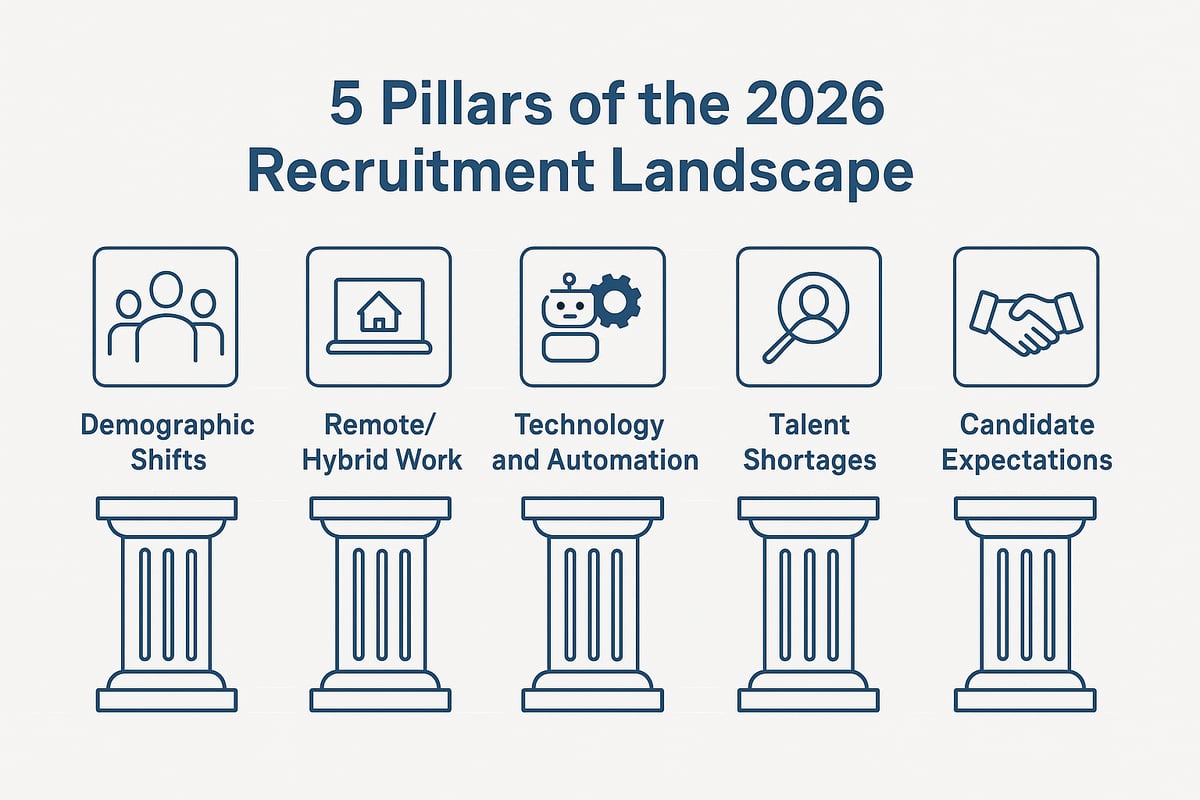
Recruit you strategies must evolve as the recruitment landscape rapidly transforms in 2026. Organizations are facing new challenges and opportunities shaped by shifting demographics, remote work, technology, and changing candidate expectations. Understanding these trends is crucial to building a future-ready approach.
Shifting Workforce Demographics and Expectations
The workforce in 2026 is dominated by Gen Z and Millennials, both bringing fresh perspectives and digital fluency. These generations value flexibility, purpose-driven work, and social responsibility. Diversity, equity, and inclusion (DEI) are now core deciding factors in employer selection. According to Glassdoor, 76% of job seekers consider a diverse workforce important (Glassdoor, 2021). To recruit you effectively, organizations must authentically reflect these values in every stage of their hiring process.
The Impact of Remote and Hybrid Work
Remote and hybrid work have become the norm across industries. This shift lets companies recruit you from a global talent pool, removing traditional geographic limits. While this expands access to skilled professionals, it also introduces challenges in maintaining team cohesion and engagement remotely. According to 2026 Recruitment Trends and Statistics, companies adopting flexible work models attract a broader range of candidates and adapt more quickly to market changes.
Technology and Automation in Recruitment
Technology is revolutionizing how employers recruit you. Applicant tracking systems (ATS), chatbots, and automated screening tools streamline the hiring process. Data-driven insights help recruiters source and assess candidates more efficiently. A LinkedIn Global Talent Trends report (2022) found that 67% of hiring managers say automation saves significant time. These tools not only accelerate recruitment but also minimize bias, helping organizations make more objective decisions.
Current Challenges: Hard-to-Fill Roles and Talent Shortages
In 2026, many sectors face intense competition for specialized skills, particularly in tech, healthcare, and sales. The recruit you process must adapt as time-to-hire increases and talent shortages persist. According to Indeed, filling specialized roles requires proactive and creative approaches, including personalized outreach and broader sourcing strategies. Employers who innovate in their recruitment methods are better positioned to attract top talent.
Evolving Candidate Expectations
Candidates now expect transparency, speed, and a positive experience throughout the recruit you journey. They seek clear communication about timelines, feedback, and the employer value proposition (EVP). Meaningful work, opportunities for growth, and a supportive culture are top priorities. Organizations that prioritize candidate experience and adapt to evolving expectations will stand out in the competitive talent market.
Building a Magnetic Employer Brand
A compelling employer brand is essential for organizations aiming to attract top talent in 2026. With the "recruit you" approach, companies can position themselves as employers of choice, ensuring their messaging resonates with the modern workforce.
Defining and Communicating Your Employer Value Proposition (EVP)
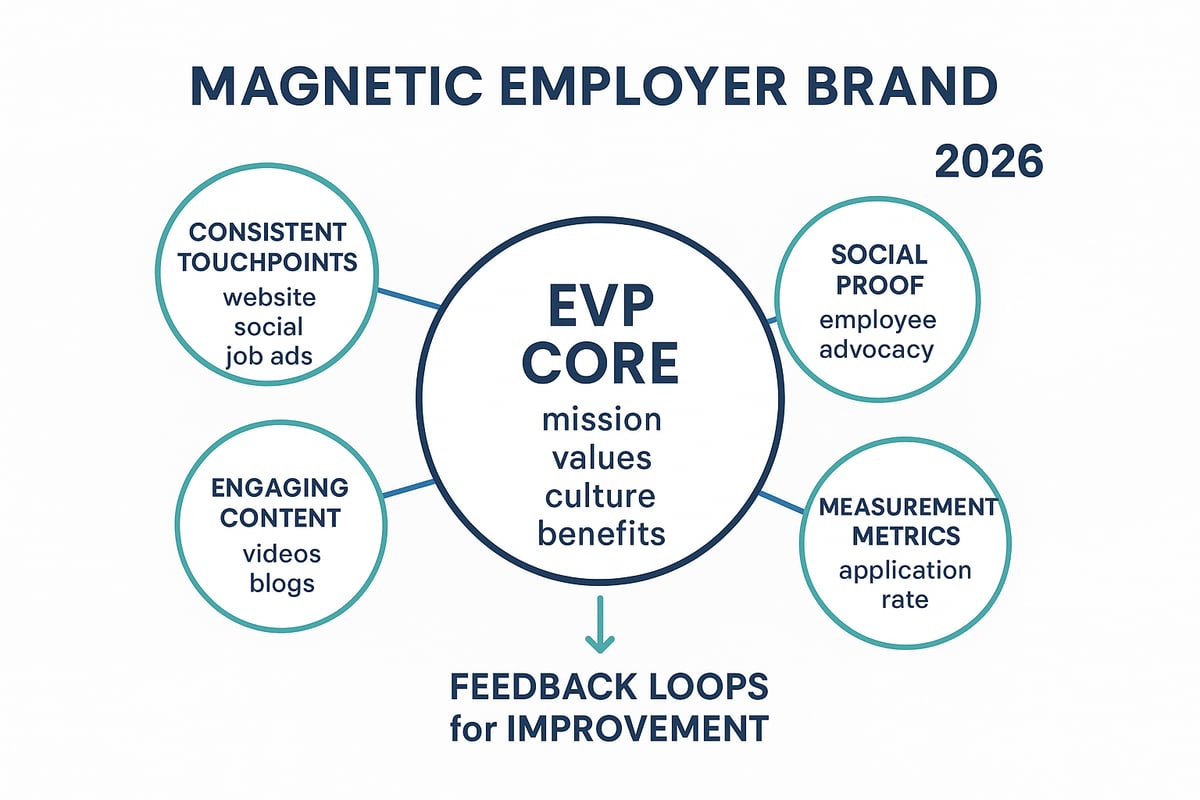
Your EVP forms the foundation of the "recruit you" strategy. It defines what sets your organization apart, such as:
Mission and vision
Core values and workplace culture
Benefits and unique perks
Authentic storytelling, paired with employee testimonials, brings your EVP to life. According to LinkedIn, companies with strong EVP attract 50% more qualified applicants (LinkedIn, 2021). For a deeper dive into effective approaches, see Employer Branding Strategies for 2026.
When you clarify and communicate your EVP, you help candidates quickly identify whether your company is the right fit, which is central to "recruit you" success.
Consistency Across All Touchpoints
Brand consistency ensures candidates receive the same message at every interaction. Aligning your "recruit you" messaging across:
Career pages
Job advertisements
Social media channels
Interviews
Visual branding, including logos, colors, and imagery, should reflect your company culture. Candidates notice when branding is inconsistent, which can undermine trust. Consistency supports a seamless experience, reinforcing your organization's identity and values at every step.
Leveraging Social Proof and Employee Advocacy
Social proof is powerful in the "recruit you" landscape. Encourage employees to share their experiences on platforms like Glassdoor and LinkedIn. Tactics include:
Employee ambassador programs
Referral incentives
Sharing authentic work stories
Job seekers value transparency and trust peer reviews. According to Glassdoor, 76% of job seekers consider a diverse workforce important (Glassdoor, 2021). When employees advocate for your brand, it amplifies credibility and attracts like-minded talent.
Engaging Content and Employer Storytelling
Bring your employer brand to life through engaging content. Use videos, blogs, and behind-the-scenes features to showcase your workplace. Highlight:
Career growth journeys
Community involvement
Team culture insights
"Recruit you" content should make candidates envision themselves thriving at your company. Storytelling humanizes your brand, making the experience memorable and relatable.
Measuring Brand Impact
Tracking the effectiveness of your employer brand is crucial. Key metrics to monitor include:
Metric | Why It Matters |
|---|---|
Application rates | Gauge interest in your roles |
Candidate quality | Assess alignment with values |
Review site engagement | Monitor reputation |
According to CareerArc, 69% of job seekers are more likely to apply to companies that actively manage their employer brand (CareerArc, 2022). Regularly reviewing these metrics helps you refine your "recruit you" strategy for better results.
Addressing Negative Perceptions
Monitor reviews and feedback on employer review sites. Address concerns promptly and create initiatives to improve perceived weaknesses, such as:
Work-life balance programs
Enhanced diversity, equity, and inclusion efforts
A proactive "recruit you" approach means not only celebrating strengths but also tackling challenges head-on. Transparency and responsiveness build trust with current and prospective employees.
Case Example
Indeed recommends maintaining consistent branding across all recruitment materials to attract candidates who align with your values. This strategy is vital for organizations implementing a "recruit you" mindset, as it ensures the right talent is drawn to your organization and stays engaged throughout the process.
Step-By-Step: Future-Proof Recruitment Strategies for 2026
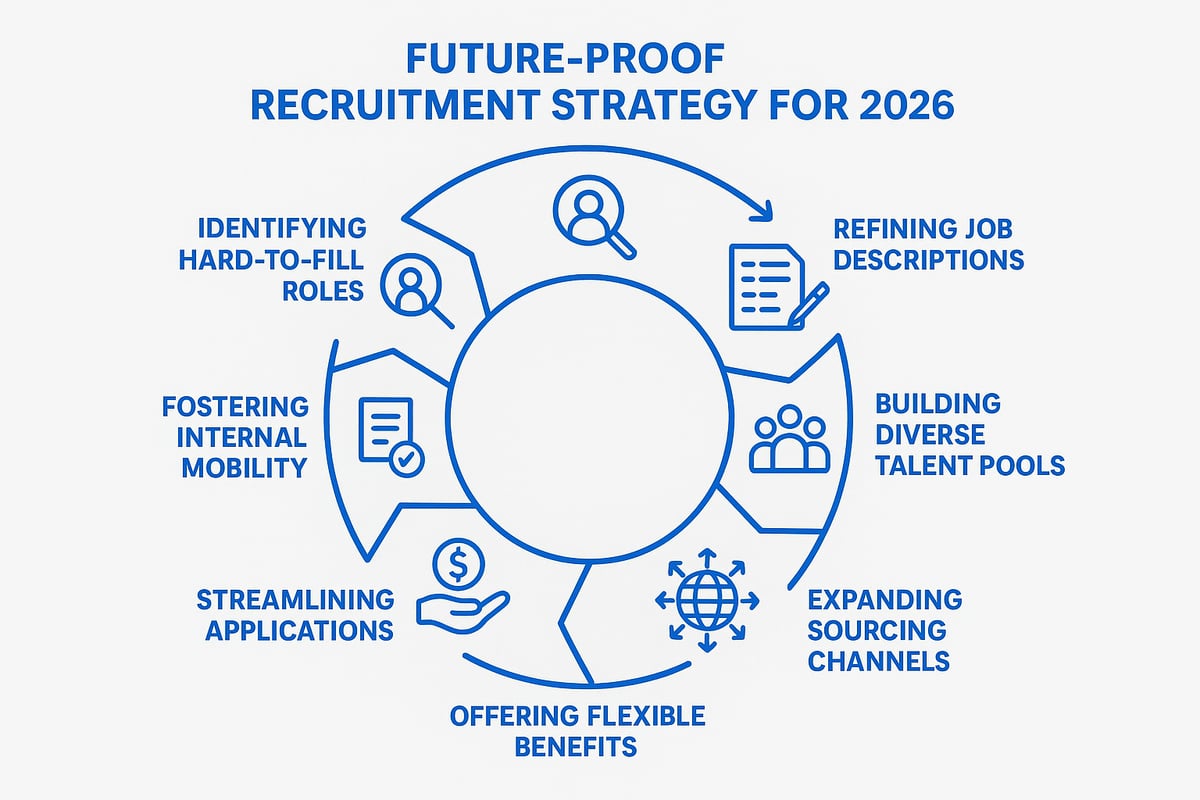
Adapting your recruit you approach to the realities of 2026 demands a structured, proactive strategy. By following these seven steps, organizations can attract, engage, and retain top talent in a rapidly evolving recruitment environment.
Step 1: Identify Hard-to-Fill Positions and Analyze Gaps
Start by using data to pinpoint which positions consistently challenge your recruit you process. Review historical hiring data, turnover rates, and applicant flow for each department. Compare your offerings with competitors to see where you may fall short on skills or benefits.
For example, Indeed suggests that reviewing job history and analyzing market trends can reveal persistent hiring obstacles. By understanding these gaps, you can tailor your recruit you strategy to focus resources where they are most needed.
Step 2: Refine Job Descriptions for Clarity and Appeal
Clear, engaging job descriptions are critical for a successful recruit you campaign. Write postings that specify responsibilities, required skills, and unique perks. Include salary ranges, growth opportunities, and any flexible work arrangements.
Use language that reflects your brand and culture to attract candidates who align with your values. Transparent, well-crafted job ads help reduce confusion and set realistic expectations, making your recruit you efforts more efficient and appealing.
Step 3: Build and Nurture a Diverse Talent Pool
A proactive recruit you strategy involves cultivating relationships with both active and passive candidates. Engage with talent through networking events, alumni programs, and professional communities. Maintain ongoing communication with previous applicants and high-potential prospects.
Consider leveraging insights from Recruiting elite sales professionals to enhance your sourcing and engagement tactics. By focusing on diversity, you not only expand your talent pool but also strengthen your employer brand in the recruit you market.
Step 4: Expand and Diversify Sourcing Channels
Broaden your recruit you reach by posting on niche job boards, collaborating with universities, and attending both in-person and virtual job fairs. Tap into industry-specific groups, professional associations, and social media platforms to connect with overlooked talent.
Indeed recommends using an array of channels to ensure you are not missing qualified candidates. This multi-channel approach increases visibility and gives your recruit you campaigns a wider, more inclusive audience.
Step 5: Offer Flexible Work Options and Competitive Benefits
Modern candidates expect flexibility and robust benefits as part of any recruit you offer. Consider remote or hybrid work arrangements, flexible scheduling, and job sharing where feasible. Benchmark your benefits to ensure they are competitive within your industry.
Enhance packages with wellness programs, paid time off, and upskilling opportunities. Flexible schedules not only attract a broader talent pool but also help with retention, making your recruit you process more sustainable.
Step 6: Streamline and Humanize the Application Process
A seamless application experience is essential for a positive recruit you journey. Simplify forms, ensure mobile compatibility, and minimize redundant steps. Use automated scheduling tools for interviews and provide prompt, personalized feedback to all candidates.
Timely communication and transparency help build trust and reduce drop-off rates. By humanizing the process, you make your recruit you efforts more candidate-centric and appealing.
Step 7: Foster Internal Mobility and Employee Referrals
Promoting from within and encouraging referrals can be game changers in your recruit you strategy. Identify employees with high potential and offer training, mentorship, and advancement paths.
Develop referral programs with meaningful incentives to motivate current staff to recommend qualified candidates. According to Indeed and LinkedIn, internal mobility and referrals frequently reduce time-to-hire and improve retention, strengthening your overall recruit you framework.
Leveraging Technology and Data for Smarter Recruitment
In 2026, organizations looking to recruit you must harness advanced technology and data-driven approaches to stay ahead. The right mix of automation, analytics, and candidate engagement tools can streamline hiring, improve decision-making, and elevate every stage of the recruitment process.
Applicant Tracking Systems (ATS) and Automation
Applicant Tracking Systems (ATS) form the backbone of modern hiring for any organization aiming to recruit you. These platforms automate resume screening, schedule interviews, and manage candidate communication efficiently.
Automated screening filters out unqualified applicants quickly.
Interview scheduling tools reduce administrative workload.
Automated updates keep candidates informed and engaged.
According to Capterra (2023), 94% of recruiters say ATS platforms improve their hiring processes. By integrating automation, companies reduce bias, save time, and ensure a smoother recruitment journey.
Data-Driven Decision Making
Using data analytics is now critical when you want to recruit you. Recruiters track sourcing effectiveness, candidate quality, and time-to-hire, allowing them to identify bottlenecks and refine strategies.
Real-time dashboards help visualize recruitment pipeline health.
Metrics like application conversion rates and offer acceptance rates inform decisions.
Data reveals which sourcing channels perform best.
With this insight, organizations can pivot quickly, ensuring every recruitment decision is backed by solid evidence rather than intuition.
Virtual Hiring Tools and Video Interviews
Virtual hiring tools have transformed how companies recruit you, enabling efficient interviews, assessments, and onboarding from anywhere. Video interviews save time for both recruiters and candidates, while remote onboarding ensures a smooth start for new hires regardless of location.
Candidates can interview from any location, broadening talent pools.
Automated video assessments evaluate skills objectively.
Digital onboarding reduces paperwork and accelerates integration.
These tools support flexibility and help organizations reach top talent beyond geographical boundaries.
AI-Powered Sourcing and Matching (General Industry Use)
Artificial intelligence is changing how organizations recruit you by analyzing vast talent databases and matching candidates to roles based on skills, experience, and culture fit. Recruiters use AI to identify passive candidates and predict hiring success.
For a deeper dive into adoption rates and future projections, see AI in Recruitment: 2026 Trends.
AI scans profiles and resumes for relevant skills.
Automated matching surfaces best-fit candidates faster.
Predictive analytics help anticipate future hiring needs.
By leveraging these tools, recruitment teams can fill roles more effectively and reduce time-to-hire.
Candidate Relationship Management (CRM) Platforms
CRM platforms are essential to recruit you efficiently, maintaining engagement with talent pools over time. These tools allow recruiters to personalize outreach, nurture passive candidates, and build long-term relationships.
Automated email campaigns keep candidates informed.
Segmentation enables tailored communication.
Historical data helps track candidate journeys.
A robust CRM ensures that promising candidates remain connected and interested, even when they are not actively searching for new roles.
Integrating Feedback Loops
Continuous improvement is vital when you aim to recruit you in a competitive market. Collecting feedback from both candidates and hiring managers after each stage helps identify pain points and optimize recruitment workflows.
Post-process surveys highlight areas for improvement.
Feedback informs changes to job descriptions and interview formats.
Regular reviews drive higher candidate satisfaction.
By closing the feedback loop, organizations can create a more engaging and successful recruitment experience.
Example
According to LinkedIn Talent Solutions (2022), organizations using data-driven recruiting are twice as likely to improve their recruiting efforts. Integrating technology and analytics at every stage is now a must-have for anyone aiming to recruit you in 2026.
Optimizing Candidate Experience for Higher Acceptance Rates
Delivering an outstanding candidate experience is essential for recruit you success in 2026. A seamless, engaging process not only influences acceptance rates but also strengthens your employer brand in a highly competitive market.
Transparent and Timely Communication
Clear, consistent communication is the foundation of a positive recruit you candidate experience. Set expectations about timelines, interview stages, and next steps from the very beginning.
According to CareerBuilder (2022), 58% of candidates have declined offers due to poor communication. To avoid this, provide regular updates throughout the process and ensure candidates feel valued, not left in the dark.
Send acknowledgment emails after applications.
Share interview schedules and anticipated response times.
Notify candidates promptly of decisions, whether positive or negative.
Transparent communication helps build trust, which is crucial for recruit you.
Personalization at Every Stage
Candidates appreciate a recruit you process that recognizes their unique skills and aspirations. Personalize outreach messages, tailor interview questions to each candidate’s background, and address their career goals.
Taking the time to understand individual motivations shows respect and increases the likelihood of acceptance. Consider these approaches:
Reference specific achievements or experiences in communications.
Offer flexibility in interview timing based on candidate needs.
Assign interviewers who align with the candidate’s area of interest.
Personalization signals that your organization values people, not just resumes, making recruit you stand out.
Simplified Application and Interview Processes
Complex or lengthy application processes quickly deter top talent from completing the recruit you journey. Streamline forms, limit repetitive questions, and ensure mobile compatibility for all steps.
To further enhance quality, consider integrating a rigorous vetting process for candidates that balances efficiency with thoroughness. This approach maintains high standards without overwhelming applicants.
Reduce the number of required fields in applications.
Minimize the number of interview rounds.
Allow candidates to self-schedule interviews online.
A frictionless process reflects well on your recruit you strategy and keeps candidates engaged.
Showcasing Company Culture and Growth Opportunities
Candidates want to visualize themselves growing within your organization. Use the recruit you process to highlight your company culture, learning programs, and advancement pathways.
Offer virtual office tours, team meet-and-greets, and Q&A sessions. Share stories of employees who have advanced or contributed to community initiatives. This transparency fosters a sense of belonging and purpose.
Present real employee testimonials.
Highlight mentorship or training programs.
Showcase diversity, equity, and inclusion initiatives.
Demonstrating these aspects during recruit you interactions boosts candidate confidence in their decision.
Gathering and Acting on Candidate Feedback
Continuous improvement is essential for recruit you effectiveness. Regularly collect feedback from candidates after each stage using surveys or follow-up interviews.
Indeed emphasizes the importance of listening to candidate feedback to refine recruitment processes. Use insights to identify and address pain points, reduce drop-off rates, and enhance the overall experience.
Ask for feedback after interviews and offer stages.
Track recurring issues and implement targeted improvements.
Communicate changes made in response to feedback.
By valuing input, you make candidates feel heard and reinforce a positive impression of your recruit you process.
Recruitment Success in Specialized and High-Ticket Roles
Recruiting for specialized and high-ticket roles is a unique challenge in the 2026 landscape. The demand for experienced professionals in sectors like tech, healthcare, and high-value sales outpaces supply, making it crucial to rethink traditional recruiting tactics. If you want to recruit you way to the top, understanding what sets these roles apart is essential.
Unique Challenges of High-Ticket and Specialized Positions
High-ticket and specialized positions present several recruitment obstacles. The talent pool is smaller, and the competition for these professionals is intense. Candidates often expect a tailored approach, and even minor misalignments in skills or culture can lead to costly mis-hires.
Organizations aiming to recruit you for these roles must also navigate complex compliance, confidentiality, and industry-specific requirements. According to Indeed, proactive and creative recruiting approaches are needed to fill these vital gaps.
Challenge | Solution |
|---|---|
Limited talent pool | Niche sourcing, wider outreach |
High competition | Strong employer branding, quick processes |
Complex vetting | Advanced assessments, scenario interviews |
Advanced Sourcing and Vetting Techniques
Success in high-ticket recruitment depends on moving beyond standard job postings. Recruit you strategies now include deep-dive interviews, scenario-based assessments, and rigorous reference checks. Skills-based hiring is gaining traction, with companies prioritizing proven expertise over traditional credentials.
Networking in industry-specific groups and leveraging alumni networks are effective for reaching passive talent. Using data-driven insights, employers can refine their vetting process, ensuring every candidate is not only skilled but also aligned with organizational values.
The Role of Specialized Recruitment Partners
When internal efforts fall short, specialized recruitment partners become invaluable. These experts maintain access to vetted talent pools and understand the nuances of high-ticket roles. They streamline the search, reduce time-to-hire, and lower mis-hire risks.
To recruit you effectively for sales or other niche areas, consider tapping into partners who focus exclusively on these markets. For a deeper dive into strategies tailored to high-value sales roles, visit High-ticket sales recruiting, which outlines proven methods for sourcing and vetting elite candidates.
Recruiting Elite Sales Talent for High-Ticket Businesses
For high-ticket online businesses such as agencies, coaches, and consultants, working with a partner like Sales Match can be transformative. They offer a rigorous vetting process and match candidates to your offer and culture, ensuring a smooth integration. Recruit you strategies benefit from a curated pipeline, especially when speed and quality are paramount.
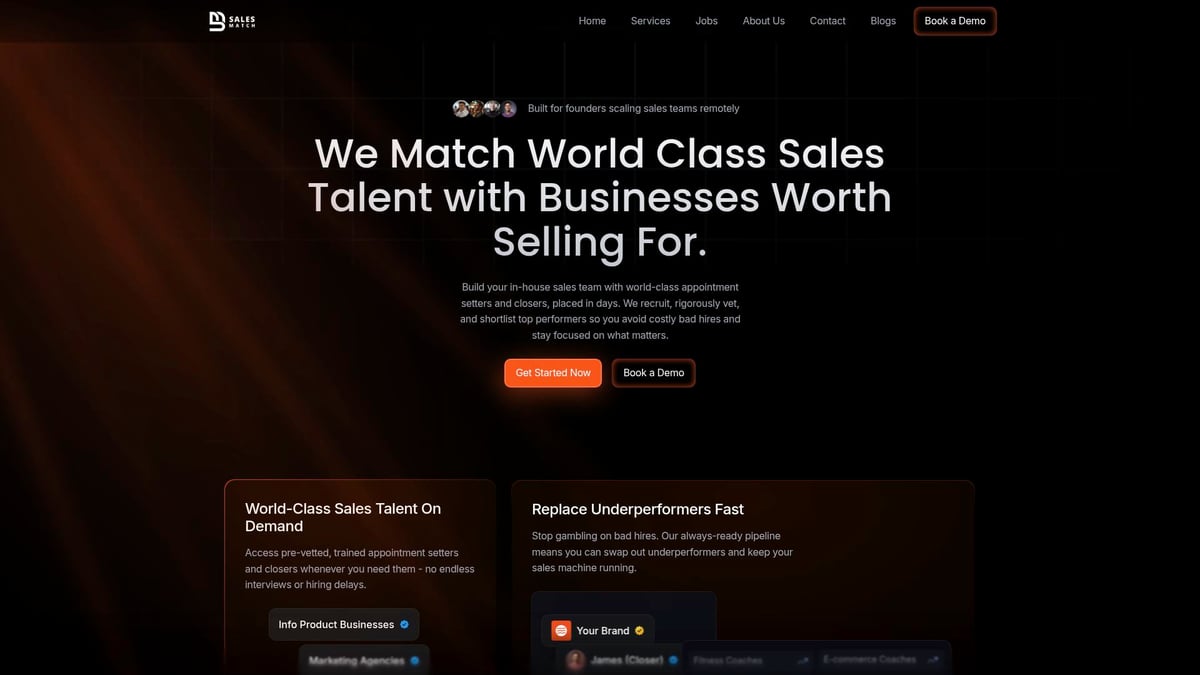
Sales Match specializes in placing appointment setters and closers for companies selling products or services over $2,500 online. This targeted approach helps organizations scale their sales teams efficiently, maintaining high standards for both client satisfaction and revenue impact.
Promoting from Within and Upskilling Existing Staff
Internal mobility is a critical component of a future-ready recruitment strategy. When you recruit you from within, you tap into employees who already understand your culture and operations. Identifying high-potential team members and investing in their growth through training, certification, and mentorship can bridge skills gaps in hard-to-fill roles.
Upskilling also boosts retention, as employees see a clear path for advancement. According to LinkedIn, organizations with strong internal mobility programs experience higher retention rates and improved satisfaction among their workforce.
Measuring Success and Continuous Improvement
Recruit you strategies are only effective if measured and refined over time. Track metrics like time-to-hire, quality-of-hire, retention, and candidate satisfaction. Gathering feedback from both candidates and hiring managers helps identify bottlenecks and areas for improvement.
Indeed and LinkedIn both emphasize the importance of using data and feedback to iterate on recruitment processes. Continuous optimization ensures that your approach remains competitive, especially in the fast-evolving landscape of specialized and high-ticket roles.
As we look ahead to 2026, it’s clear that building a high-performing sales team requires both strategic recruitment and a deep understanding of the evolving talent landscape. Whether you’re refining your employer brand, leveraging data, or seeking specialized talent for high-ticket roles, having the right support can make all the difference. If you’re ready to streamline your hiring process and connect with world-class appointment setters and closers who fit your culture and drive results, I encourage you to learn more about how you can elevate your sales recruitment strategy for lasting success.