Remote High Ticket Closer Guide: Your Roadmap for 2026
Master the remote high ticket closer role in 2026 with this step by step guide covering skills, tools, career paths, compensation, and future sales trends.
published
Imagine closing $10,000+ deals from your laptop, collaborating with premium clients across the globe, and never needing to commute to an office. The surge in online business has sparked an unprecedented need for elite sales professionals, making the remote high ticket closer role more vital than ever.
No longer reserved for a select few, high ticket closing is rapidly becoming accessible, and 2026 will open doors for skilled professionals ready to excel in remote environments. This guide offers a clear roadmap, actionable steps, and insider strategies to help you thrive as a remote high ticket closer.
Read on for a comprehensive, step-by-step guide covering the role, market outlook, essential skills, roadmap, top tech tools, compensation, and future trends.
Understanding the Remote High Ticket Closer Role
Imagine being a remote high ticket closer, working with clients from across the globe, all from your home office. This role is rapidly gaining attention as businesses seek professionals who can close significant deals without the need for in-person meetings. Let’s break down what this career truly entails and why it’s at the forefront of the modern sales landscape.
Definition and Core Responsibilities
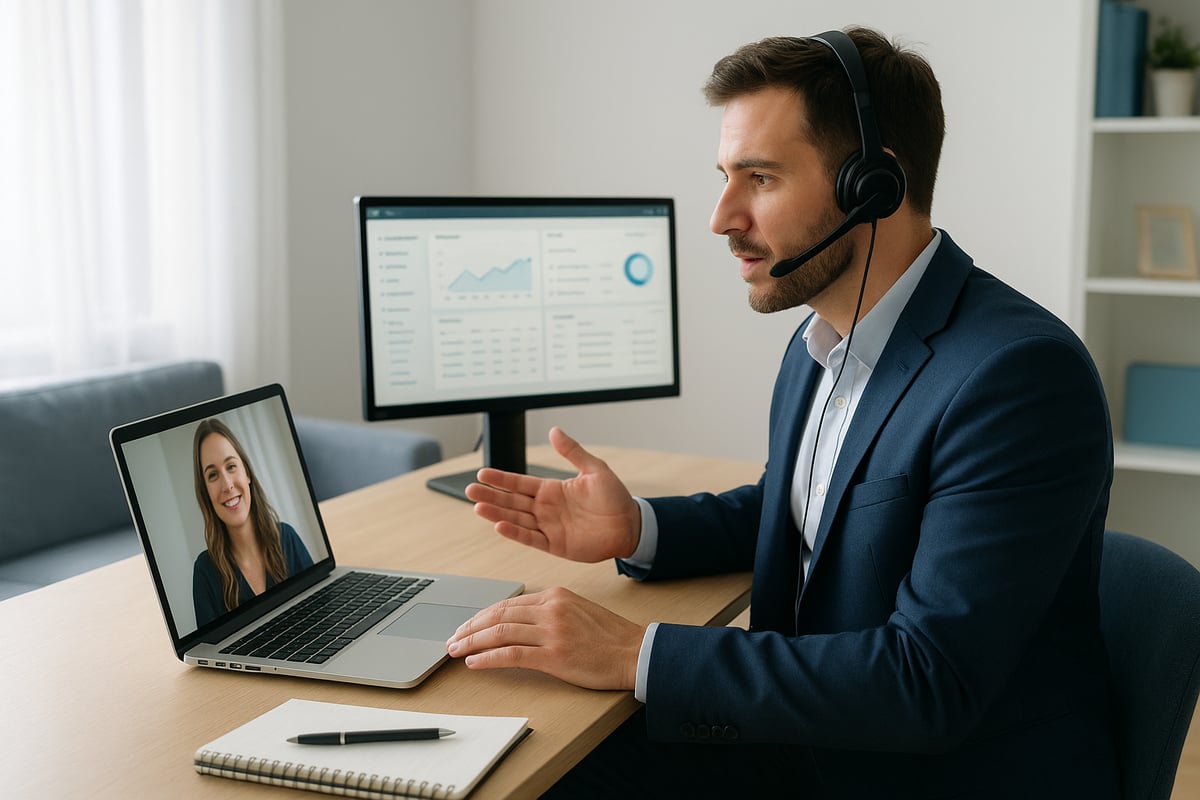
A remote high ticket closer is a sales professional who specializes in closing high-value deals, typically valued at several thousand dollars or more, through digital channels. Their daily responsibilities include prospecting leads, qualifying clients, running discovery calls, handling objections, and ultimately closing transactions. Unlike traditional sales roles focused on volume, this position emphasizes quality and relationship-building.
A typical workflow starts with researching leads, scheduling video calls, conducting in-depth consultations, and delivering tailored solutions. Consultative selling is crucial, as is maintaining long-term client relationships. For a detailed breakdown of this role and its nuances, explore the remote sales closer guide.
Market Demand and Industry Growth
The market for remote high ticket closer roles has surged since 2020, with remote sales jobs growing by over 40 percent since 2022 according to recent industry reports. Sectors like coaching, SaaS, digital agencies, and online education are leading the demand. LinkedIn and Glassdoor consistently report hundreds of openings for these positions each month.
Businesses are shifting towards remote, high-value sales models to access a broader talent pool and reduce overhead costs. This trend is expected to accelerate as organizations prioritize efficiency and digital transformation, making the remote high ticket closer role even more essential in the coming years.
Who Hires Remote High Ticket Closers?
Ideal employers for remote high ticket closers include online coaches, consultants, SaaS companies, marketing agencies, and e-commerce brands. For example, leading SaaS platforms and digital marketing agencies regularly post openings for remote high ticket closers to expand their client base.
Employers seek candidates who can demonstrate adaptability, strong digital communication skills, and a consultative approach. Standout applicants often showcase proven sales results, testimonials, and the ability to quickly build rapport with clients in a virtual setting.
Income Potential and Compensation Models
Compensation for remote high ticket closers is highly attractive, with top performers earning between $7,000 and $20,000 per month. Payment models vary, with some roles offering commission-only structures while others provide a base salary plus commission. For instance, commission rates typically range from 10 to 20 percent of closed deals.
According to 2024 salary reports, high ticket closers in specialized industries can exceed these averages through performance bonuses and tiered commissions. Many closers share success stories of doubling their income after mastering remote sales skills and specializing in lucrative niches.
Essential Skills and Traits for High Ticket Closing Success
Mastering the art of being a remote high ticket closer requires more than just sales experience. It demands a unique blend of interpersonal, technical, and strategic abilities. Let’s break down the core skills that set top performers apart in this competitive landscape.
Communication and Emotional Intelligence
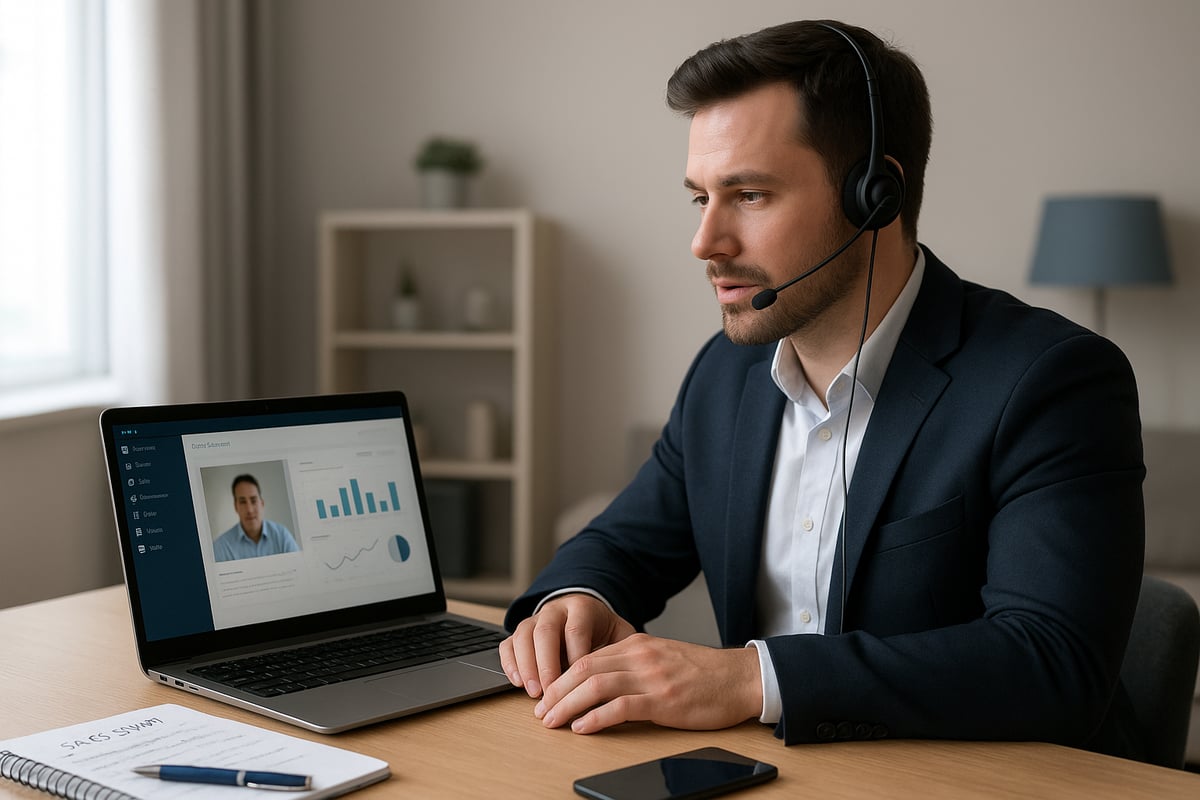
For any remote high ticket closer, communication is the foundation of success. You must listen actively, ask probing questions, and read subtle cues during calls. Building rapport quickly helps clients feel understood and valued. Handling objections requires empathy, not just persistence.
For example, if a client hesitates about pricing, acknowledge their concern: “I understand this is a significant investment. Can you share what would make you feel confident moving forward?” This consultative approach is vital. To deepen your skills, explore High-Ticket Sales: Strategies to Close Premium Deals in 2026, which offers advanced rapport-building and questioning techniques.
Sales Process Mastery
A remote high ticket closer excels by guiding prospects through a consultative, value-based sales process. Each stage—discovery, needs analysis, solution presentation, and closing—demands precision. Frameworks like SPIN Selling or Challenger Sale help structure conversations and uncover true client needs.
Use scripts to stay consistent but adapt them to each situation. For instance, during discovery, ask, “What challenges are you hoping to solve this quarter?” Mastery of these steps ensures you deliver tailored solutions, increasing your close rate as a remote high ticket closer.
Tech Savviness and Remote Work Discipline
Being a remote high ticket closer means leveraging technology to your advantage. You should be proficient with CRM software such as HubSpot or Salesforce, video conferencing tools like Zoom, and sales enablement platforms. Staying organized is critical—track your pipeline, schedule follow-ups, and monitor KPIs daily.
A productive day might start with checking CRM updates, followed by client calls, updating notes, and reviewing performance metrics. Remote work discipline, including time management and minimizing distractions, keeps you sharp and reliable as a remote high ticket closer.
Adaptability and Continuous Learning
The remote high ticket closer role evolves rapidly. Buyer behaviors shift, new sales tools emerge, and market trends change. Staying ahead means embracing adaptability and committing to lifelong learning. Regularly join webinars, listen to top sales podcasts, and participate in online sales communities.
Resources like “Sell or Be Sold” by Grant Cardone or “The Advanced Selling Podcast” keep your skills current. The best remote high ticket closer views every call as a learning opportunity and invests in ongoing professional development.
Step-by-Step Roadmap: Becoming a Remote High Ticket Closer by 2026
Ready to chart your path as a remote high ticket closer? Follow this eight-step roadmap to build your expertise, land top roles, and grow your income by 2026. Each step is designed to help you master the skills, tools, and strategies needed to thrive in a competitive, remote-first sales environment.

Step 1: Build a Sales Foundation
Start your journey as a remote high ticket closer by mastering essential sales concepts. Learn the language of sales, from lead generation to objection handling.
Enroll in reputable online courses or certification programs that cover core principles. Practice your skills through mock sales calls, role-plays, and feedback sessions.
Focusing on fundamentals ensures you can confidently engage with prospects and adapt to evolving remote sales scenarios.
Step 2: Choose Your Niche and Offer
To excel as a remote high ticket closer, identify industries that match your interests and strengths. Research high-ticket sectors like SaaS, business coaching, and financial services.
Analyze market demand by reviewing job boards and competitor offerings. Choosing a niche helps you tailor your pitch and understand your clients’ unique needs, making you more valuable and effective in your role.
Step 3: Develop a Winning Sales Script and Process
Crafting effective outreach and closing scripts is vital for a remote high ticket closer. Personalize your approach for every prospect, focusing on value and solutions.
Structure your sales process: qualify leads, conduct discovery, present tailored solutions, and close deals. For advanced tips, explore high ticket sales strategies to refine your scripts and boost your results.
Step 4: Master Remote Sales Tools and CRM Systems
A remote high ticket closer must be proficient with digital sales platforms. Familiarize yourself with leading CRM systems like HubSpot or Salesforce.
Leverage video conferencing tools, automation software, and KPI dashboards to track your pipeline. An organized tech stack streamlines your workflow, keeps you accountable, and helps you close more deals efficiently.
Step 5: Build a Strong Online Presence and Personal Brand
Your digital reputation is your currency as a remote high ticket closer. Optimize your LinkedIn profile with results-driven summaries, testimonials, and case studies.
Create a digital resume showcasing your sales achievements. Engage in remote sales communities to network, learn, and attract potential employers or clients looking for top remote sales talent.
Step 6: Find and Land Remote High Ticket Closer Opportunities
Locate remote high ticket closer jobs through specialized job boards, LinkedIn, and sales recruiting agencies. Tailor your applications to highlight relevant experience and measurable results.
Prepare for virtual interviews by practicing common questions and scenarios. Leverage referrals from your network to access hidden opportunities and increase your chances of landing premium roles.
Step 7: Onboard, Ramp Up, and Deliver Results
Once hired as a remote high ticket closer, focus on seamless onboarding. Get acquainted with your team, products, and sales processes.
Set clear targets for your first 90 days and track your progress closely. Solicit feedback from managers and peers to refine your approach and exceed expectations early on.
Step 8: Scale Your Career and Earnings
Advance your remote high ticket closer career by negotiating better commissions or transitioning to leadership roles. Consider moving up to team lead or sales manager positions, or even launching your own remote sales consultancy.
Continually invest in your skills, expand your network, and stay updated on industry trends to maximize your long-term success and earning potential.
Building and Optimizing Your Remote Sales Tech Stack
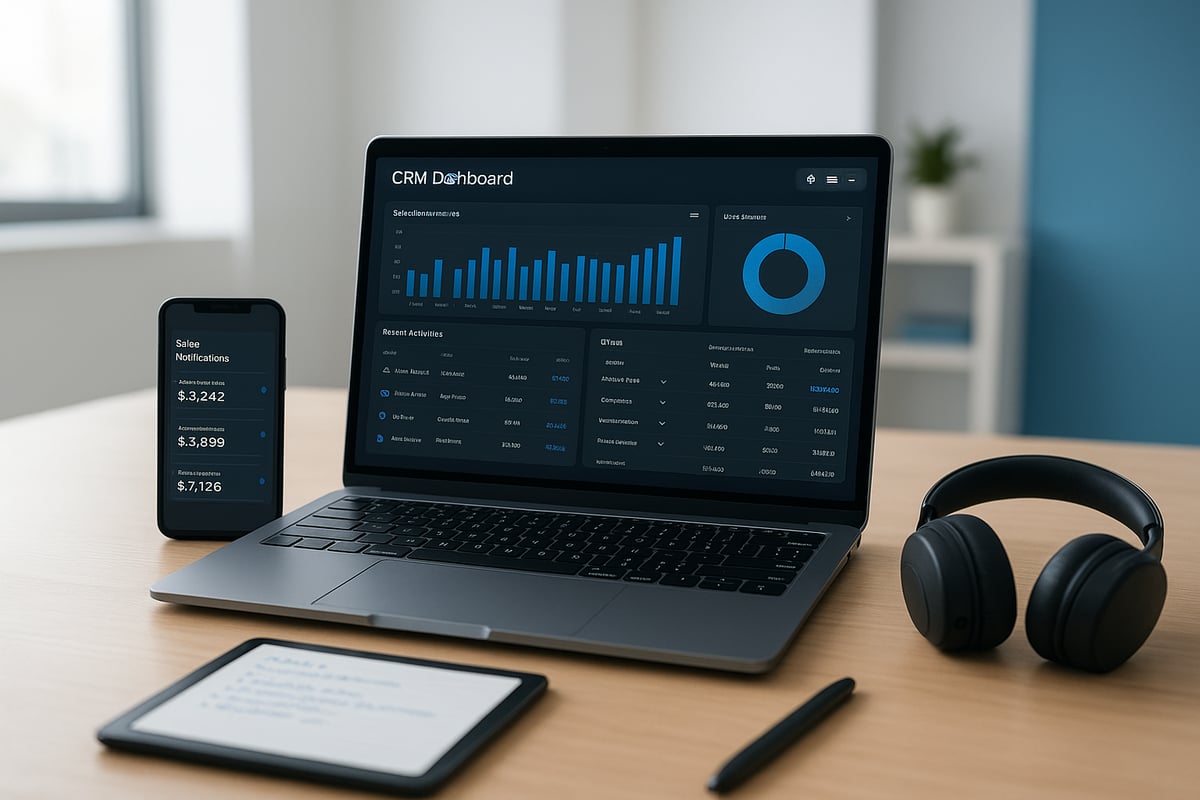
A high-performing remote high ticket closer depends on a powerful, integrated tech stack. With the right tools and strategies, you can streamline workflows, boost productivity, and close deals efficiently from anywhere. Let’s explore the essential components and trends shaping tech stacks in 2026.
Must-Have Tools for 2026
Every remote high ticket closer needs a robust toolkit. At the core is a CRM, such as Salesforce or HubSpot, to manage leads and track conversations. Proposal software (like PandaDoc), e-signature platforms (DocuSign), and scheduling apps (Calendly) keep the sales cycle moving seamlessly.
Tool Category | Top Options | Key Features |
|---|---|---|
CRM | Salesforce, HubSpot | Lead management, automation |
Proposal Software | PandaDoc, Proposify | Templates, analytics |
E-signature | DocuSign, HelloSign | Secure, compliant signing |
Scheduling | Calendly, Chili Piper | Automated reminders, integrations |
Integrating these tools is vital for a remote high ticket closer. For a deeper dive into leveraging tech for sales success, check out How to Get Into High-Ticket Sales? Strategies, Skills, Salary.
Automation and AI in Remote High Ticket Sales
Automation and AI are transforming how a remote high ticket closer operates. AI-powered lead scoring tools, such as Gong and Outreach, analyze buyer intent and prioritize outreach. Automation platforms manage follow-ups, ensuring no lead slips through the cracks.
Personalized email sequences, chatbots, and smart scheduling can dramatically increase your productivity. By automating repetitive tasks, a remote high ticket closer can focus on high-value conversations and relationship building.
Adopting these AI tools not only saves time but also improves conversion rates. Embracing automation is crucial for staying competitive in the evolving sales landscape.
Security, Compliance, and Data Management
A remote high ticket closer must prioritize security and compliance when handling client data. Using GDPR-compliant CRMs and encrypted e-signature solutions helps protect sensitive information.
Best practices include two-factor authentication, secure document sharing, and regular data backups. Always review privacy policies of your chosen tools to ensure alignment with global data regulations.
For example, DocuSign offers robust encryption and audit trails, which are essential for maintaining client trust. By following strict security protocols, a remote high ticket closer safeguards both company and client interests.
Staying Ahead: Emerging Tech Trends
Staying ahead is non-negotiable for a remote high ticket closer. Virtual and augmented reality are beginning to reshape sales presentations, offering immersive demos for prospects.
Voice AI, advanced chatbots, and analytics platforms provide deeper insights into buyer behavior. These technologies enable more personalized and impactful sales interactions.
To remain on the cutting edge, join online sales communities, attend industry webinars, and subscribe to tech newsletters. By embracing new trends early, a remote high ticket closer ensures ongoing relevance and success.
Compensation, Commission Structures, and Career Progression
Understanding how compensation works is crucial for any aspiring remote high ticket closer. Not only does it inform your earning potential, but it also shapes your approach to negotiations and long-term career planning.
Understanding High Ticket Closer Compensation
For a remote high ticket closer, compensation can be highly lucrative. Top performers often earn between $7,000 and $20,000 or more per month. The most common structure is commission-based, typically ranging from 10 percent to 20 percent per closed deal. Some roles offer a base salary plus commission, while others rely solely on commissions.
Compensation Model | Description | Example Monthly Earnings |
|---|---|---|
Commission Only | Paid a percentage per sale | $10,000–$20,000+ |
Base + Commission | Fixed salary plus percentage of sales | $7,000–$15,000+ |
Earning potential depends on factors like deal size, close rate, and the industry niche you serve. For a detailed breakdown of compensation models and real-world examples, review the commission structures for closers. A remote high ticket closer who consistently closes large deals in SaaS or coaching can quickly reach six figures annually.
Negotiating Your Offer and Benefits
Negotiation is a vital skill for every remote high ticket closer. When evaluating offers, consider both the commission rate and any base pay. Some companies also provide bonuses, profit-sharing, or other perks that add value.
Tips for successful negotiation:
Research industry benchmarks for your niche.
Prepare clear evidence of past results.
Ask about ramp-up bonuses or guarantees.
Assess whether the offer aligns with your career goals and lifestyle. For example, if you value stability, a base plus commission may be preferable. Remember, a remote high ticket closer who negotiates effectively can secure not only higher pay but also better working conditions and growth opportunities.
Career Growth Paths in Remote High Ticket Sales
A remote high ticket closer has several advancement options. Many start by closing deals, then progress to team lead, sales manager, or director positions. Specialization is also possible, such as focusing on enterprise sales, SaaS, or coaching clients.
Example career ladder:
Remote High Ticket Closer
Senior Closer or Team Lead
Sales Manager or Director
Agency Owner or Sales Consultant
Industry leaders often expand their expertise by mentoring others or launching their own remote sales agency. This career path offers flexibility, high earning potential, and global opportunities for ambitious professionals.
Common Pitfalls and How to Avoid Them
Every remote high ticket closer faces challenges. Burnout, inconsistent income, or lack of leads can derail even experienced professionals. To avoid these pitfalls, implement strategies like time blocking, maintaining a diverse pipeline, and investing in ongoing sales training.
Common pitfalls:
Burnout from high-pressure targets
Income fluctuations due to commission-only roles
Limited pipeline leading to dry spells
Solutions include regular skill development, joining mastermind groups, and keeping a steady flow of leads. Learning from setbacks and adapting quickly is essential for long-term success as a remote high ticket closer.
How to Fast-Track Your Success: Using Sales Match for Remote High Ticket Closer Roles
Breaking into the world of remote high ticket closer roles can be challenging, especially with increasing competition and evolving hiring standards. That is where specialized recruiting services like Sales Match come in, providing a streamlined path to connect top sales talent with premium remote opportunities.
What is Sales Match and How Does It Work?
Sales Match is a dedicated recruiting and placement service for remote high ticket closer professionals. Unlike generic job boards, Sales Match focuses exclusively on connecting elite sales talent with high-value, remote opportunities in fields like SaaS, coaching, agencies, and info products.
The process starts with a detailed application and vetting phase. Candidates are assessed on experience, sales results, and industry fit. Sales Match then matches qualified remote high ticket closer candidates with businesses actively seeking top closers for high-ticket offers. The result is a curated experience that saves time for both candidates and employers.
Advantages of Partnering with Sales Match
There are several compelling reasons to use Sales Match when searching for your next remote high ticket closer role. First, the platform offers access to pre-vetted, exclusive opportunities that are rarely posted on public job boards. This means less competition and higher quality roles.
Candidates benefit from a faster placement process, often receiving their first batch of interviews within 7 to 14 days. Sales Match also provides ongoing support during onboarding, guidance through negotiations, and a risk-free replacement policy if a placement is not the right fit. This hands-on approach significantly increases your chances of landing a rewarding remote high ticket closer position.
Who Should Use Sales Match?
Sales Match is ideal for experienced sales professionals and aspiring remote high ticket closer candidates ready to elevate their careers. If you have a proven track record in consultative sales and want to work with high-growth businesses, this service is tailored for you.
Businesses hiring through Sales Match include leading online coaches, SaaS companies, digital marketing agencies, and info product creators. For example, a recent candidate was matched with a global SaaS firm and quickly advanced from closer to team lead, demonstrating the platform's potential to fast-track career growth.
How to Get Started with Sales Match
Getting started with Sales Match is straightforward. Begin by submitting your application and sales resume through their online portal. If you meet their criteria, you'll enter a vetting process that includes interviews and skills assessments.
To maximize your chances, tailor your profile to highlight relevant achievements, sales metrics, and niche expertise. Once approved, Sales Match will connect you with curated remote high ticket closer opportunities. You can also explore current openings on their Remote high ticket sales jobs page. This streamlined process empowers you to accelerate your remote high ticket closer career and land premium roles efficiently.
Future Trends and Predictions for Remote High Ticket Closers in 2026
The landscape for the remote high ticket closer is rapidly evolving as technology, buyer preferences, and market dynamics shift. Understanding these future trends is essential for anyone aiming to stay ahead and thrive in this competitive field.
The Evolving Buyer Journey and Sales Process
By 2026, buyers will be more informed and expect seamless, personalized remote consultations. The remote high ticket closer must adapt to an environment where AI and automation streamline the sales cycle, enabling deeper insights into buyer intent and behavior.
Recent data shows a sharp increase in remote B2B transactions, with decision-makers preferring virtual meetings and self-education before engaging with sales. Automation tools help closers track engagement, prioritize leads, and deliver targeted solutions. According to Remote High-Ticket Sales in 2025: Closing Big Deals from Anywhere, businesses are increasingly comfortable closing substantial deals fully online, reflecting a major shift in client expectations.
To succeed, remote high ticket closers need to blend technology with consultative selling, ensuring each touchpoint adds value and builds trust.
Globalization and Cross-Border Opportunities
The remote high ticket closer role is becoming truly global. Companies are assembling sales teams that span continents, making it common to close deals across time zones and cultures.
This trend opens the door to unlimited opportunities, but also requires adaptability. Top remote high ticket closers develop cultural intelligence, learn to navigate international business etiquette, and communicate effectively with diverse clients.
Key skills for global success include:
Sensitivity to cultural differences
Multilingual communication abilities
Flexibility in scheduling and negotiation styles
International hiring is on the rise, and those who can bridge cultural gaps will stand out in a crowded remote sales market.
The Role of Personalization and Human Touch
Despite the growth of automation, the human element remains critical. The remote high ticket closer must balance efficiency with genuine relationship building. Advanced personalization techniques, such as tailored video messages or custom proposals, help create memorable client experiences.
Case studies show that sales professionals who invest in authentic connections and understand individual client needs consistently outperform those relying solely on automation. As detailed in High-Ticket Sales: How to Master High-Ticket Sales, mastering value-based selling and leveraging the right tech tools can significantly improve close rates.
The future belongs to those who use automation to enhance, not replace, their personal touch.
Continuous Learning and Adaptation for Long-Term Success
To remain competitive, every remote high ticket closer must commit to lifelong learning. The sales landscape will keep changing, with new tools, buyer behaviors, and market trends emerging each year.
Successful closers invest in:
Regular sales training and certifications
Industry-specific masterminds and coaching
Attending virtual conferences and networking events
Staying ahead means embracing new technologies, refining your approach, and learning from top performers. The most resilient remote high ticket closers are those who view change as an opportunity for growth, not a threat.
As you look ahead to the exciting possibilities in remote high ticket closing, remember that building a successful career requires strategy, skill, and the right opportunities. You’ve seen how businesses are actively searching for top-tier remote sales talent, and you now have a clear roadmap to guide your journey. If you’re ready to fast-track your progress and connect with pre-vetted roles at high-growth companies, I encourage you to take the next step. Discover how you can stand out and accelerate your career by exploring Sales Match’s tailored recruiting solutions—Learn more.