
Remote High Ticket Sales Guide: Success Strategies For 2026
Master remote high ticket sales in 2026 with proven strategies, essential skills, and top tech tools. Elevate your career and close high value deals globally.
published
Imagine closing $20,000 deals from your laptop while traveling or working from home. Remote high ticket sales are redefining what it means to build a six-figure career in 2026.
This guide unpacks the essential strategies, skills, and tools you need to thrive in remote high ticket sales, whether you are launching your journey or aiming to scale your income.
We will cover the fundamentals, evolving skills, proven step-by-step strategies, the latest tech stack, and practical tips for landing top remote roles. Follow along to discover how you can transform your career and tap into this rapidly growing, high-earning field.
Understanding Remote High Ticket Sales in 2026
The world of remote high ticket sales is rapidly transforming, offering professionals a path to six-figure incomes from anywhere on the globe. By 2026, the boundaries between industries, geographies, and traditional sales roles are dissolving as technology, buyer expectations, and global talent pools reshape how premium deals are closed.

What Defines High Ticket Sales Today?
Remote high ticket sales focus on selling premium offerings, typically priced between $2,000 and $50,000 or more. These can include coaching programs, SaaS platforms, information products, and high-level consulting packages. The shift toward remote sales is driven by digital transformation, with 80% of high ticket sales roles now performed remotely according to 2025 LinkedIn data.
Unlike low-ticket sales, remote high ticket sales involve longer sales cycles, a strong emphasis on building relationships, and significantly higher commissions. Buyers expect a consultative approach, with trust and personalized experiences at the forefront.
Here is a quick comparison:
Aspect | Low-Ticket Sales | High Ticket Sales |
|---|---|---|
Price Range | <$2,000 | $2,000–$50,000+ |
Sales Cycle | Short | Long, multi-touch |
Buyer Expectation | Quick transaction | Consultative, trust-based |
Commission | Low | High |
Selling Method | Often automated | Personalized, relationship |
Industry data shows high ticket remote sales roles grew by 40% from 2023 to 2025. The outlook for 2026 is even more competitive, with AI integration, globalized talent, and evolving buyer demands setting new standards. For a deeper dive into what defines remote high ticket sales and how to thrive, see the Remote High Ticket Sales Guide.
Essential Skills and Mindset Shifts
Succeeding in remote high ticket sales in 2026 requires more than just sales ability. The most successful professionals master a unique blend of competencies and mindset traits:
Consultative Selling: Deeply understand client needs and tailor solutions.
Tech Savvy: Proficient in CRM systems, video conferencing, and automation tools.
Resilience and Adaptability: Thrive in the dynamic, self-motivated environment of remote work.
Ethical Closing: Focus on genuinely solving client problems, not just pushing for a sale.
Full-Cycle Sales Mastery: Set appointments and close deals independently.
Portfolio Building: Document wins, collect testimonials, and showcase outcomes for credibility.
Continuous Learning: Stay ahead of trends, AI tools, and buyer psychology.
Remote high ticket sales professionals who embody these skills and mindsets are positioned to stand out in a crowded marketplace. As demand grows, those who invest in their development and adapt quickly will capture the most lucrative opportunities.
Step-by-Step Roadmap: Launching and Scaling Your Remote High Ticket Sales Career
Launching and scaling a career in remote high ticket sales requires a purposeful approach. By following a proven step-by-step roadmap, you can move from beginner to top performer while maximizing both income and impact. Let's break down the essential phases and actions for success in this dynamic field.

Step 1: Preparing for the Remote Sales Landscape
Starting in remote high ticket sales begins with an honest assessment of your current skills. Core competencies such as communication, problem-solving, and resilience are critical. Evaluate your experience and identify which high ticket industries excite you, such as SaaS, coaching, or consulting.
Next, research the income potential for both closers and appointment setters. Typical on-target earnings (OTE) for closers range from $90,000 to $250,000 per year. Setters often earn between $60,000 and $120,000 annually. Define your financial goals using three clear targets: minimum, target, and dream income.
Building a strong online presence is essential. Optimize your LinkedIn profile, consider joining RepSelect, and create a digital sales portfolio. Include deal screenshots, client testimonials, and short roleplay clips to showcase your abilities.
Example Portfolio Components:
Screenshots of closed deals
Video testimonials from clients
Short clips of mock sales calls
By establishing your expertise and goals early, you lay a solid foundation for a thriving remote high ticket sales career.
Step 2: Mastering the Interview and Vetting Process
Treat every interview as a demonstration of your remote high ticket sales skills. Approach interviews like sales calls: ask insightful questions, highlight your unique value, and handle objections with confidence.
Prepare for common questions about objection handling, your sales process, and quantifiable results. When considering offers, carefully analyze the company's lead flow, commission structure, and overall reputation. Red flags include unclear OTE, lack of sales infrastructure, or unrealistic promises.
Common Red Flags:
Vague compensation details
Unproven sales processes
Overly aggressive or unclear expectations
Practice mock interviews with peers or platforms like CloserCollege.com. Record roleplay sessions to review your performance and refine your pitch.
Example Exercise:
Roleplay a tough objection, record the session, and seek feedback.
This diligence ensures you only join organizations where your remote high ticket sales skills will be valued and rewarded.
Step 3: Building In-Demand Sales Skills
To excel in remote high ticket sales, you must master full-cycle selling. This means setting appointments and closing deals independently, without relying solely on lead generators. Strong pipeline management skills are vital, including both long-term and short-term follow-up strategies.
Relationship building is another key differentiator. Leverage referrals from satisfied clients to generate additional opportunities. Adaptability is crucial as lead flow and market conditions can shift rapidly.
Ongoing Improvement Checklist:
Regular roleplay sessions
Feedback loops with mentors or peers
Continuous upskilling via Udemy or CloserCollege
Developing a referral pipeline can add 5 to 10 extra deals per month, significantly increasing your earnings. Focus on consistency and incremental improvement to stay ahead in the remote high ticket sales landscape.
Step 4: Sourcing and Landing High Ticket Clients/Offers
Securing the best remote high ticket sales roles requires a targeted job search strategy. Use LinkedIn, niche job boards, and industry networking to identify top opportunities. Set daily application goals and personalize your outreach to stand out.
Video introductions, especially concise 1-minute reviews, can help you differentiate yourself from other candidates. When interviewing, present your sales portfolio and share references to demonstrate your track record.
For up-to-date listings and application tips, explore High Ticket Sales Job Opportunities for a curated selection of remote high ticket sales roles.
Sourcing Workflow:
Apply to 5–10 roles daily
Send personalized messages
Follow up regularly with decision-makers
By leveraging your portfolio and a systematic approach, you can land interviews with top-tier offers and accelerate your career growth in remote high ticket sales.
Advanced Success Strategies for Remote High Ticket Sales Professionals
Success in remote high ticket sales requires more than mastering scripts or following a checklist. In 2026, the landscape rewards professionals who combine advanced sales skills, a strong digital presence, and an ethical mindset. Let us break down the strategies that top performers use to rise above the competition and secure high-earning roles.

Becoming a Full-Cycle Sales Pro
The demand for sales professionals who can both set and close deals has surged in remote high ticket sales. Companies want versatile team members who manage the entire sales cycle from prospecting to closing. This approach streamlines operations, boosts accountability, and delivers better results.
To become a full-cycle pro, focus on:
Training in both appointment setting and closing skills.
Practicing roleplays, mock calls, and real-life scenarios.
Tracking your performance metrics across both phases.
Sales reps who set their own appointments often outperform those who rely solely on setters. For actionable methods to excel, review Remote Sales Closer Strategies for proven techniques tailored to remote high ticket sales environments.
Building and Leveraging Your Sales Portfolio
A well-crafted sales portfolio is essential in remote high ticket sales. Employers want proof of your results, not just promises. Document your wins with:
Deal screenshots and revenue figures.
Client testimonials highlighting outcomes.
Call recordings or video snippets of successful closes.
Platforms like RepSelect allow you to showcase your achievements to potential employers. According to LinkedIn hiring data from 2025, candidates with a strong portfolio double their interview callbacks, making this a must-have asset for anyone serious about remote high ticket sales.
Networking and Personal Branding
Networking remains a cornerstone of remote high ticket sales success. Building relationships with industry leaders, recruiters, and peers opens doors to new opportunities. Use LinkedIn, webinars, and sales-focused groups to expand your reach.
Personal branding is equally powerful. Share insights, client success stories, and sales results on your profile. A visible track record attracts inbound offers and referral networks, further boosting your remote high ticket sales potential.
Managing Pipeline and Consistency
Consistent pipeline management is the backbone of remote high ticket sales. Top performers use a mix of long-term and short-term follow-up strategies to keep deals moving forward. Automate outreach and reminders using CRM and sales engagement tools.
A strong referral and follow-up system can increase monthly commissions by 20 to 30 percent. Stay organized with digital tools, and regularly review your process to spot bottlenecks or missed opportunities in remote high ticket sales roles.
Ethical Selling and Mindset for 2026
Ethical selling is non-negotiable in remote high ticket sales. Prioritize solving real problems for clients rather than pushing aggressive tactics. This customer-centric approach builds trust and drives long-term results.
Mindset matters just as much as skill. Embrace adaptability, continuous learning, and resilience in the face of change. Case studies show that ethical closers retain clients longer and generate more referrals, cementing their reputation in the remote high ticket sales market.
Tech Stack and Tools for Remote High Ticket Sales in 2026
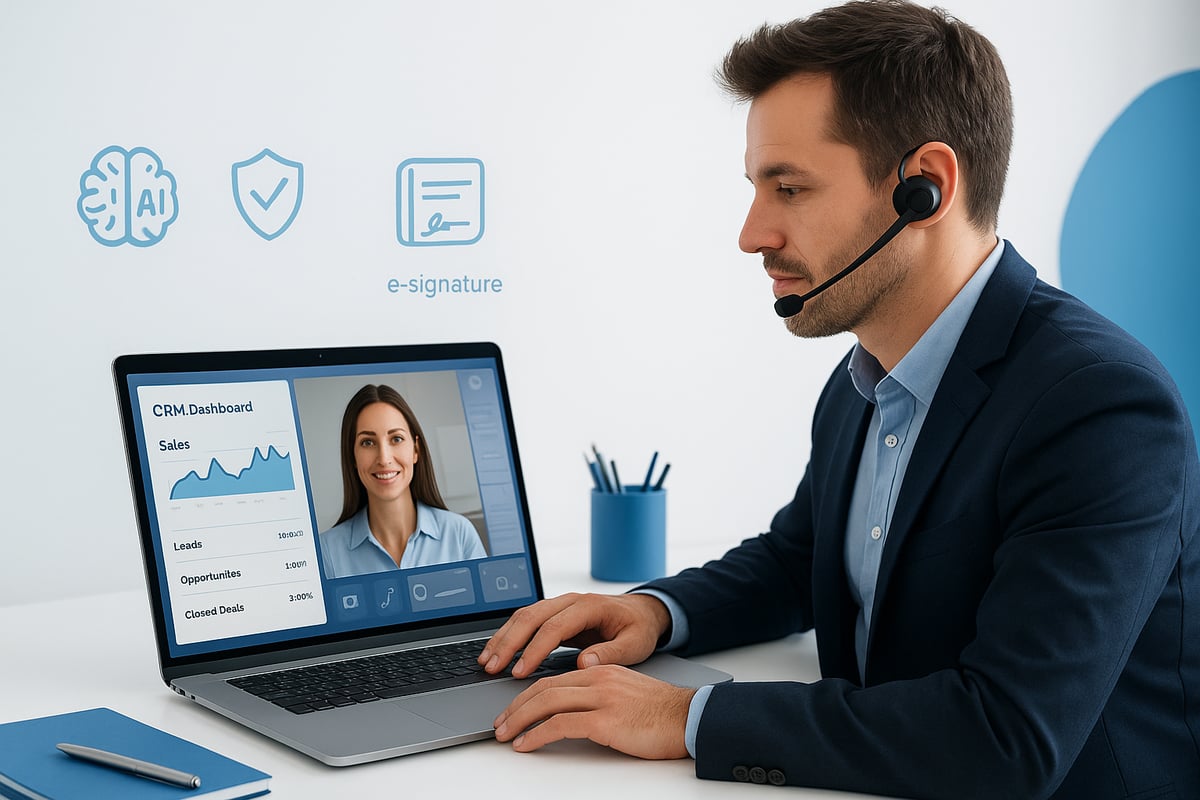
Succeeding in remote high ticket sales in 2026 requires more than sales acumen. Your technology stack is now the backbone of how you engage clients, manage your pipeline, and outperform the competition. Choosing and mastering the right tools will define your efficiency and earning potential.
Essential Sales Technology
The core tech stack for remote high ticket sales starts with robust CRM platforms like HubSpot, Salesforce, or Close.com. These tools help you track leads, manage follow-ups, and automate routine tasks. Video conferencing solutions such as Zoom and Google Meet allow for seamless client meetings and interactive demos.
Automation is a game-changer. Outreach and Lemlist streamline personalized email sequences and nurture leads at scale. For scheduling, Calendly and SavvyCal simplify booking calls, reducing friction throughout the sales cycle. To showcase your track record, platforms like RepSelect allow you to present sales wins and testimonials, boosting your credibility during interviews.
Consider this summary of key tools:
Category | Tool Examples | Functionality |
|---|---|---|
CRM | HubSpot, Salesforce | Lead tracking, pipeline management |
Video Conferencing | Zoom, Google Meet | Remote demos, client calls |
Automation | Outreach, Lemlist | Email sequences, follow-up |
Scheduling | Calendly, SavvyCal | Appointment booking |
Portfolio | RepSelect | Showcase sales results |
Digital enablement is accelerating, with sales enablement statistics showing a direct link between advanced tool adoption and sales performance in remote high ticket sales.
AI and Automation Trends
AI is reshaping remote high ticket sales by automating repetitive tasks and providing actionable insights. Modern CRMs now offer AI-powered lead scoring, helping you prioritize prospects most likely to close. Automated objection handling tools and script optimization platforms, such as Gong and Chorus, deliver real-time feedback to refine your messaging.
Sales coaching is also evolving. Data-driven platforms analyze call recordings, offering targeted tips to improve conversion rates. According to recent surveys, over 80 percent of top closers rely on AI tools for prospecting and timely follow-ups, giving them a competitive edge.
Integrating these AI features not only enhances productivity but also ensures you stay ahead in the fast-paced world of remote high ticket sales. Embrace automation to streamline your workflow, personalize outreach, and maximize results.
Security and Compliance
Handling sensitive client data is a non-negotiable aspect of remote high ticket sales. Secure your workflow with encrypted document sharing and e-signature tools like DocuSign and PandaDoc. These solutions protect client information and ensure compliance with global data privacy standards.
Sales professionals must be vigilant about data protection, especially when working with international clients. Choose platforms with robust security certifications, and regularly update your software to safeguard against breaches.
Prioritizing security builds trust with clients and partners, reinforcing your reputation in remote high ticket sales. As the industry grows, maintaining compliance and protecting data will be key differentiators for top performers.
Future Trends and Opportunities in Remote High Ticket Sales
As we look to 2026, the landscape of remote high ticket sales is transforming rapidly. New technologies, global talent access, and evolving buyer expectations are shaping the future for both sales professionals and businesses. Staying ahead requires understanding these trends and leveraging new opportunities.
The Evolving Remote Sales Ecosystem
Remote high ticket sales are becoming more globalized, connecting professionals with clients across continents. Increased competition is fueled by specialized sales academies and a surge in skilled talent from diverse backgrounds. Artificial intelligence is playing a central role in automating prospecting, qualification, and follow-up processes. High-ticket industries, including coaching, SaaS, and digital agencies, are forecasted to grow by over 25 percent by 2026, according to Remote Work Statistics for 2026. These shifts demand that sales professionals adapt quickly to stay competitive in the remote high ticket sales arena.
Career Growth and Specialization
Career paths in remote high ticket sales are becoming more specialized. Vertical specialization allows reps to focus on niche markets, building deeper expertise and trust with clients. This often leads to higher commissions and faster deal cycles. Leadership opportunities are also expanding, with experienced reps moving into roles such as sales manager or trainer. As remote teams become the norm, professionals who can manage distributed sales teams are in high demand. Building a unique skill set within remote high ticket sales will be key to long-term career advancement.
Continuous Learning and Adaptation
Ongoing training and skill development are essential in remote high ticket sales. Top earners invest time in mastering new sales methodologies, AI tools, and buyer psychology. Participating in mastermind groups and earning certifications help professionals stay ahead of industry shifts. Access to resources like High Ticket Sales Strategies to Close Premium Deals can provide actionable insights for closing complex deals and refining follow-up techniques. Continuous learning ensures sales professionals remain agile and effective as the market evolves.
Opportunities for Businesses and Founders
For businesses and founders, remote high ticket sales present an opportunity to build scalable, remote-first sales teams. Leveraging specialized recruiters and sales platforms makes it easier to source top talent and reduce hiring risks. Adapting to modern buyer preferences by offering personalized, consultative, and remote-first sales experiences is critical for growth. Companies that prioritize innovation and invest in their sales teams will be best positioned to capture the expanding remote high ticket sales market.
As you reflect on the strategies and skills we've explored for thriving in remote high ticket sales in 2026, remember that the right support can elevate your journey even further. Whether you're aiming to land your first remote role or scale your income with top-tier opportunities, having access to pre-vetted sales talent and proven placement strategies makes a real difference. If you're ready to take the next step and connect with world-class sales teams or discover new high-earning roles, I encourage you to Learn more about how you can move your remote sales career forward.