
Sales Closer: The Critical Role in High-Ticket Sales
Discover why a sales closer is essential for high-ticket businesses. Learn key skills, hiring strategies, and how to build a team that converts.
published
The role of a sales closer has become increasingly vital for businesses selling high-ticket products and services. Unlike appointment setters or lead generators, a sales closer specializes in the final and most crucial stage of the sales process: converting qualified prospects into paying customers. For businesses operating in the digital space, particularly those selling offerings above $2,500 through virtual meetings, having skilled closers can mean the difference between consistent growth and missed opportunities. Understanding what makes an effective sales closer and how to build a team of these professionals is essential for any business owner looking to scale their operations.
What Defines a Sales Closer
A sales closer is a specialized sales professional who focuses exclusively on the final stages of the customer journey. While other team members may generate leads or set appointments, the closer takes over when prospects are ready for a purchasing decision.
Core Responsibilities
The primary function of a sales closer involves conducting discovery calls, presenting solutions, handling objections, and ultimately securing commitments from qualified leads. These professionals work predominantly through virtual channels like Zoom or Google Meet, making them particularly valuable for businesses operating in the digital economy.
Key daily activities include:
Conducting scheduled sales calls with pre-qualified prospects
Presenting product or service value propositions tailored to individual needs
Navigating complex objections and concerns
Negotiating terms and finalizing agreements
Maintaining detailed records of interactions and outcomes
Collaborating with marketing and appointment-setting teams

Essential Skills Every Sales Closer Needs
Success in closing high-ticket sales requires a distinct skill set that goes beyond basic sales knowledge. According to research from the American Association of Inside Sales Professionals, the most effective closers demonstrate a combination of emotional intelligence, product expertise, and strategic thinking.
Communication Mastery
Top-performing closers excel at active listening and asking probing questions that uncover true pain points. They adapt their communication style to match each prospect's personality and preferences, building rapport quickly even in virtual environments.
The ability to simplify complex information is particularly valuable when dealing with high-ticket offerings. Closers must explain intricate features, benefits, and pricing structures in ways that resonate with decision-makers who may not have technical backgrounds.
Objection Handling Expertise
Every sales closer encounters resistance, skepticism, and hesitation. The difference between average and exceptional closers lies in their approach to objections. Rather than viewing pushback as rejection, skilled professionals see objections as opportunities to provide clarity and build trust.
Objection Type | Effective Response Strategy | Common Mistake |
|---|---|---|
Price Concerns | Reframe value and ROI | Immediate discounting |
Timing Issues | Create urgency through scarcity | Aggressive pressure tactics |
Authority Questions | Involve decision-makers early | Wasting time with non-buyers |
Competitor Comparisons | Differentiate unique advantages | Disparaging competitors |
Product Knowledge Depth
A sales closer must possess comprehensive understanding of what they're selling. This extends beyond memorizing features to genuinely grasping how the product or service solves specific problems for different customer segments.
For businesses offering complex services like consulting, coaching, or specialized software, closers need to understand industry trends, competitive landscapes, and technical specifications. This expertise allows them to position offerings effectively and respond to detailed questions with confidence.
The High-Ticket Closer Specialization
Selling products and services priced above $2,500 requires a different approach than transactional sales. The high-ticket sales closer operates in an environment where purchase decisions involve greater risk, longer consideration periods, and more stakeholders.
Extended Sales Cycles
High-ticket transactions rarely happen in a single conversation. A sales closer working in this space must maintain momentum across multiple touchpoints while avoiding the appearance of desperation or excessive pressure.
Typical high-ticket sales timeline:
Initial discovery call to assess fit and needs
Detailed presentation or demonstration
Follow-up to address additional questions
Proposal review and negotiation
Final commitment and onboarding coordination
The ability to nurture relationships over weeks or even months distinguishes exceptional high-ticket closers from those better suited to faster-paced, lower-value sales environments.
Building Trust at Scale
When prospects consider investments of thousands or tens of thousands of dollars, trust becomes paramount. Sales closers must establish credibility quickly, often without the benefit of in-person meetings or physical demonstrations.
Effective strategies include leveraging social proof, providing detailed case studies, offering transparent pricing structures, and demonstrating genuine expertise through consultative conversations. The closer who can position themselves as a trusted advisor rather than a pushy salesperson will consistently outperform their peers.

Building Your Sales Closer Team
For business owners in the coaching, consulting, marketing agency, or service-based sectors, assembling a reliable team of closers presents unique challenges. The traditional hiring process can be lengthy, expensive, and unreliable.
The Recruitment Challenge
Finding skilled sales professionals who excel at closing high-ticket offers requires more than posting job advertisements. According to a 2025 study by the Sales Management Association, 58% of sales organizations report difficulty finding qualified closing talent, with the average hiring process taking 68 days from posting to placement.
Business owners face several obstacles when building their sales teams:
Difficulty assessing true closing ability during interviews
High competition for proven performers
Costly mistakes when hiring underperformers
Time investment in training and onboarding
Risk of turnover after significant investment
Pre-Vetted Talent Solutions
Rather than navigating the traditional hiring maze, many high-ticket businesses now turn to specialized recruitment services that provide access to pre-vetted sales professionals. These solutions eliminate guesswork by presenting candidates who have already demonstrated closing ability in relevant industries.
The vetting process typically evaluates candidates across multiple dimensions including previous performance metrics, industry experience, communication skills, and cultural fit. This approach dramatically reduces the time from need to hire while minimizing the risk of costly mistakes.
Replacement Guarantees
One innovative approach gaining traction in 2026 involves recruitment services that offer replacement guarantees. When a sales closer doesn't perform as expected or leaves the organization, the recruitment partner provides a replacement without additional fees.
This model shifts risk away from business owners and ensures continuity in sales operations. For companies dependent on consistent closing performance, having assurance that talent gaps will be quickly filled provides tremendous peace of mind.
Training and Development Strategies
Even experienced sales closers benefit from ongoing development. The sales landscape evolves constantly, with new techniques, technologies, and buyer expectations emerging regularly.
Continuous Skill Enhancement
Top-performing sales organizations invest in regular training that goes beyond initial onboarding. Effective sales closing techniques evolve as market conditions change, requiring closers to adapt their approaches.
Essential training topics include:
Updated objection handling frameworks
New platform features and demonstration strategies
Industry-specific knowledge refreshers
Competitive intelligence updates
Psychological principles of persuasion
Advanced negotiation tactics
Performance Metrics and Accountability
Measuring closer performance requires tracking specific metrics that indicate both efficiency and effectiveness. Simply monitoring close rates provides incomplete information without context around lead quality, average deal size, and sales cycle length.
Metric | What It Measures | Target Range |
|---|---|---|
Close Rate | Percentage of qualified leads converted | 20-40% for high-ticket |
Average Deal Size | Typical transaction value | Aligned with pricing |
Sales Cycle Length | Days from first contact to close | 14-45 days typical |
Follow-up Response Rate | Prospect engagement with outreach | 50-70% |
Objection Resolution Rate | Ability to overcome concerns | 60-80% |
Regular performance reviews help identify coaching opportunities and ensure closers maintain high standards. However, the focus should remain on improvement rather than punishment, creating an environment where sales professionals feel supported in their development.
Remote Sales Closer Considerations
The shift toward remote work has transformed sales closing, with the majority of high-ticket transactions now occurring entirely through virtual channels. This evolution requires both advantages and unique challenges for businesses building remote sales teams.
Geographic Flexibility
Hiring remote closers expands the talent pool significantly. Business owners are no longer limited to candidates within commuting distance of a physical office. This geographic flexibility often results in access to higher-quality talent and more competitive compensation structures.
Remote arrangements also support better work-life balance for sales professionals, which can contribute to improved retention rates. However, managing distributed teams requires different approaches to communication, collaboration, and culture-building.
Technology Requirements
A sales closer working remotely relies heavily on technology infrastructure. Video conferencing platforms, CRM systems, proposal software, and communication tools must function reliably to prevent lost opportunities due to technical failures.
Businesses should establish clear standards for home office setups, internet connectivity, and backup systems. Providing stipends or equipment allowances demonstrates investment in closer success and ensures consistent prospect experiences regardless of which team member conducts the call.
Virtual Rapport Building
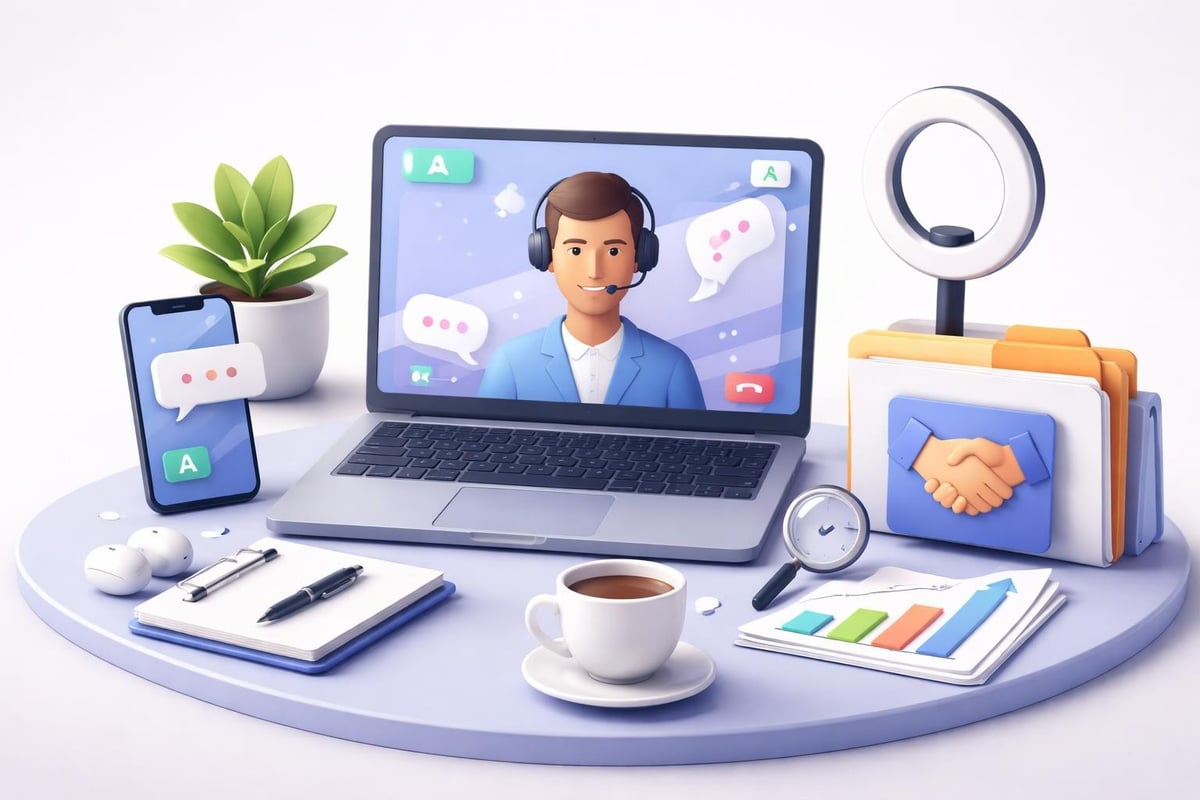
Creating connection without physical presence requires heightened awareness of verbal and visual communication elements. Successful remote closers master the art of building rapport through screen-based interactions, using techniques like mirroring energy levels, maintaining appropriate eye contact with the camera, and creating engaging visual presentations.
Compensation Structures for Closers
Attracting and retaining top closing talent requires competitive compensation packages that align incentives with business objectives. The commission structure plays a critical role in motivating performance while maintaining profitability.
Base Salary vs. Commission Models
Different compensation approaches suit different business models and closer preferences. Pure commission structures appeal to highly confident sales professionals who believe in their ability to generate substantial income, while base-plus-commission arrangements provide security that attracts a broader candidate pool.
Common compensation models:
Pure commission (typically 10-20% of sale value for high-ticket)
Base salary plus commission (lower commission percentage, stable income)
Tiered commission (increasing percentages at higher volume thresholds)
Revenue share (ongoing percentage of customer lifetime value)
The optimal structure depends on factors including average deal size, sales cycle length, market competitiveness, and business cash flow considerations.
Non-Monetary Incentives
While compensation drives much of closer motivation, additional benefits contribute to job satisfaction and loyalty. Flexible scheduling, professional development opportunities, advancement paths, and recognition programs all play roles in building a committed sales team.
For remote closers, benefits like equipment allowances, co-working space memberships, and company retreats help create connection and demonstrate employer investment beyond base compensation.
Integration with Broader Sales Operations
A sales closer doesn't operate in isolation. Their success depends heavily on coordination with other functions including marketing, appointment setting, customer success, and product development.
Lead Quality Standards
Closers perform best when working with qualified prospects who genuinely fit the ideal customer profile. Establishing clear lead qualification criteria ensures that closers spend time with serious buyers rather than tire-kickers who waste valuable selling time.
Regular communication between appointment setters and closers helps refine qualification standards based on actual call outcomes. When setters understand what characteristics predict successful closes, they can improve their screening processes accordingly.
Feedback Loops
Sales closers gather invaluable market intelligence during prospect conversations. They hear objections that may indicate messaging problems, discover competitive threats, learn about emerging needs, and identify product enhancement opportunities.
Creating structured processes for capturing and sharing this information ensures that insights from the front lines inform strategic decisions. Monthly roundtables where closers discuss common themes can reveal patterns that individual data points might miss.
Common Mistakes in Sales Closer Management
Even experienced business owners sometimes mismanage their closing teams, leading to underperformance, turnover, and missed opportunities. Understanding these pitfalls helps prevent costly errors.
Insufficient Onboarding
Throwing new closers into calls without adequate preparation sets them up for failure. Comprehensive onboarding should include product training, objection handling practice, call shadowing, and gradual responsibility increase.
According to research from the Sales Management Association, sales professionals who receive structured onboarding reach full productivity 34% faster than those who learn through trial and error.
Micromanagement vs. Abandonment
Finding the right balance between oversight and autonomy challenges many sales leaders. Excessive micromanagement stifles creativity and demotivates experienced professionals, while complete abandonment leaves closers without support or guidance.
Effective management involves setting clear expectations, providing resources and training, monitoring key metrics, and offering coaching based on observed performance patterns rather than controlling every interaction.
Ignoring Cultural Fit
Skills and experience matter tremendously, but cultural alignment determines long-term success. A sales closer who excels technically but clashes with company values or team dynamics will ultimately create more problems than they solve.
During the hiring decision process, assessing values alignment, communication style compatibility, and work ethic should receive equal weight to closing track record.
Future Trends in Sales Closing
The sales closing profession continues evolving as technology advances, buyer behaviors shift, and market conditions change. Staying ahead of these trends positions businesses for sustained success.
Increased Personalization
Generic sales pitches become less effective as buyers grow more sophisticated. Modern closers must tailor every aspect of their approach based on prospect-specific research, from conversation topics to presentation examples to proposed solutions.
Technology enables this personalization at scale through CRM data, social media insights, and company research tools that weren't available just a few years ago.
Value-Based Selling Dominance
As markets become more competitive, differentiation based solely on features or price becomes increasingly difficult. The most effective closers in 2026 focus relentlessly on value creation, helping prospects understand not what they're buying but what they're achieving.
This consultative approach, detailed in guides about how to close sales effectively, requires deeper business acumen and genuine curiosity about customer success rather than simple transaction completion.
Hybrid Qualification Models
The traditional separation between appointment setters and closers is blurring in some organizations. Hybrid roles where professionals both qualify and close allow for greater context continuity and eliminate handoff friction that can cause prospect drop-off.
However, this model works best for lower-volume, ultra-high-ticket offers where each prospect represents significant potential value. For businesses processing higher lead volumes, specialization remains more efficient.
Building Resilience in Your Closing Team
Sales teams face inevitable challenges including market downturns, competitive pressure, and internal changes. Building resilience ensures consistent performance even during difficult periods.
Multiple Closer Strategy
Relying on a single star performer creates dangerous vulnerability. What happens when that closer takes vacation, gets sick, or accepts another opportunity? Businesses should develop depth in their closing function, hiring a sales team rather than depending on individuals.
This approach also creates healthy internal competition and provides backup during peak demand periods when call volume exceeds one person's capacity.
Knowledge Transfer Systems
Documenting what works prevents loss of institutional knowledge when team members change. Recording successful calls (with permission), maintaining objection-handling libraries, and creating playbooks ensure that effective techniques become organizational assets rather than individual secrets.
Regular team training sessions where top performers share their approaches help elevate overall team capability and reduce performance variance between closers.
Mental Health and Burnout Prevention
Closing high-ticket sales involves significant emotional labor. Handling rejection, maintaining enthusiasm through slumps, and managing the pressure of quota expectations can take psychological tolls that affect both performance and retention.
Progressive organizations recognize these challenges and provide resources including flexible scheduling, mental health benefits, peer support groups, and realistic goal-setting that acknowledges market realities rather than imposing arbitrary targets.
Mastering the art of sales closing requires the right combination of skilled professionals, effective systems, and ongoing support. For high-ticket businesses selling complex offerings through virtual channels, having closers who can build trust, navigate objections, and secure commitments makes all the difference. Rather than struggling through lengthy hiring processes and risking costly mistakes, consider partnering with specialists who provide access to pre-vetted talent. Sales Match eliminates the uncertainty of building your closing team by connecting you with proven professionals ready to drive growth, backed by guarantees that protect your investment and ensure you always have the talent you need to succeed.