The Essential Guide to Hiring Vetted Candidates in 2026
Discover how to hire vetted candidates in 2026 with proven strategies, advanced tools, and expert tips to reduce risk and build high performing teams.
published
In 2026, the race for top talent is fiercer than ever. Companies know that hiring vetted candidates can make the difference between growth and costly setbacks.
The consequences of a poor hire are more significant in today's fast-paced market. Businesses risk high turnover, lost productivity, and culture disruption if they fail to screen thoroughly.
This guide delivers a clear, actionable process for organizations determined to get hiring right. Learn how to minimize risks, leverage the latest vetting technologies, and implement proven steps to secure the right people.
Follow along to discover the importance of vetting, a step-by-step hiring process, essential tools, how to overcome challenges, future trends, and expert tips for building a winning team.
Why Vetting Candidates Matters More Than Ever in 2026
In 2026, hiring is a high-stakes process where the cost of mistakes is greater than ever. Organizations are under pressure to fill roles quickly, but the need for thoroughly vetted candidates cannot be overstated. Let us explore why this focus is essential for business success today.

The Cost of a Bad Hire
A single hiring mistake can ripple through an organization, impacting finances and morale. Estimates show that hiring the wrong person can cost up to 30 percent of that role's annual salary. When companies prioritize vetted candidates, they avoid expenses tied to turnover, lost productivity, and retraining.
For example, a tech company struggling with high turnover improved retention dramatically after introducing a structured vetting process. By ensuring only vetted candidates advanced, they reduced costly mis-hires and built a more stable team.
Quality of Hire and Business Outcomes
The quality of your hires directly shapes your organization's performance. Companies that implement systematic processes for hiring vetted candidates consistently report stronger teams and higher retention rates.
Recent years have seen a surge in using advanced AI sourcing tools to identify vetted candidates with the right mix of skills and potential. One firm saw a notable increase in sales productivity after integrating AI to screen for both technical ability and cultural fit.
Cultural Fit and Team Cohesion
Bringing in vetted candidates who align with your company values is critical for collaboration and long-term engagement. Research shows that cultural fit is a leading factor in retention and job satisfaction.
Staffing firms have started to use deep client partnerships to ensure vetted candidates are matched not just for skills, but also for cultural compatibility. This approach leads to more cohesive, high-performing teams.
Risk Mitigation and Brand Protection
Thorough vetting is a frontline defense against fraud, data breaches, and damage to your company's reputation. Background and reference checks are now considered non-negotiable steps in selecting vetted candidates.
For instance, one organization avoided a major security incident thanks to diligent background screening. Leveraging standards like the Sales Match vetting process can help ensure your team is protected and every hire is trustworthy.
Cost Efficiency and Long-Term ROI
Investing in the vetting process pays off far beyond the initial hire. Efficient screening methods for vetted candidates can reduce recruitment expenses by up to 30 percent.
Companies that make vetting a priority often enjoy repeat business and long-term partnerships. The savings are clear, both in direct costs and in building reliable teams that drive profitability.
Evolving Candidate Expectations
Today's candidates expect a transparent and fair process when being considered as vetted candidates. They look for organizations that use unbiased assessments and clear communication throughout the hiring journey.
Personality assessments and structured interviews are now standard tools for ensuring a good fit. Meeting these expectations not only attracts top talent but also strengthens your employer brand.
The Step-by-Step Process for Hiring Vetted Candidates
Hiring vetted candidates in 2026 requires a systematic approach that blends technology, structure, and human insight. This step-by-step process ensures you consistently attract, assess, and select the best talent while minimizing risk.

Step 1: Define the Role and Ideal Candidate
Start by crafting a detailed job description with clear responsibilities and must-have qualifications. In 2026, 73% of organizations report that thorough job definitions help attract vetted candidates who align with business needs.
Include specific skills, experience levels, and cultural values. Use checklists to ensure nothing is overlooked. For example, outlining daily tasks, reporting structures, and success metrics increases applicant quality and reduces mismatches.
A well-defined role sets the foundation for every subsequent step, making it easier to identify and engage vetted candidates from the outset.
Step 2: Source Candidates Strategically
Combine traditional job boards, employee referrals, and proactive outreach with AI-powered sourcing tools. Specialized recruiters and AI-driven platforms expand your reach and target passive talent. Only about 20% of applicants typically progress to interviews, so casting a wide yet focused net is essential.
For sales teams or niche roles, consider strategies from recruiting top sales talent to ensure you connect with vetted candidates who meet your specific requirements.
Use sourcing analytics to track success rates and adjust your methods as needed. Strategic sourcing ensures a strong pipeline of qualified, vetted candidates.
Step 3: Initial Screening and Shortlisting
Review resumes and applications using clear criteria and structured rubrics. Applicant Tracking Systems (ATS) automate repetitive tasks, flagging top prospects and filtering out unqualified applicants.
Automation not only accelerates the process but also reduces human error. By focusing on key indicators—such as relevant experience, certifications, and achievements—you improve the odds of advancing only the most promising vetted candidates.
Shortlisting with data-backed tools results in better accuracy and a more manageable candidate pool.
Step 4: Structured Interviews for Skills and Fit
Design interviews to assess both technical skills and cultural alignment. Use a mix of behavioral, situational, and technical questions tailored to the role. Data shows that 33% of employers make decisions within 15 minutes, so preparation is critical.
Develop targeted question sets that reveal how candidates solve problems and collaborate. This structured approach uncovers the strengths of vetted candidates and exposes red flags early.
Well-planned interviews ensure each candidate is evaluated fairly and consistently.
Step 5: Reference and Background Checks
Thoroughly verify employment history, education, and past performance. Partner with reputable background check firms or use automated reference tools to speed up the process.
Reference checks can reveal insights about reliability, teamwork, and achievements that are not always evident in interviews. Automating these steps saves time and increases accuracy, reducing the risk of hiring mistakes.
This critical phase safeguards your organization by confirming that vetted candidates truly meet your standards.
Step 6: Practical Skills Assessments
Assess hands-on abilities with real-world tasks or technical tests. Platforms like Codility and HackerRank are popular for coding roles, while role-specific assessments suit functions like sales or marketing.
Use scenarios that mirror the challenges of the actual job. This step ensures that vetted candidates possess not just theoretical knowledge but also practical competence.
Skills assessments provide objective data, helping you differentiate between similar applicants and select the best fit for your team.
Step 7: Final Evaluation and Offer
Bring together information from all steps to make a holistic, data-driven decision. Use structured evaluation forms to compare candidates objectively and prevent bias.
Ensure your compensation package and offer reflect market standards and candidate expectations. Open, timely communication helps secure top vetted candidates before they accept competing offers.
A thorough final evaluation guarantees you hire vetted candidates who will contribute to your organization's long-term success.
Essential Tools and Technologies for Vetting in 2026
The landscape for hiring vetted candidates in 2026 is shaped by rapid advancements in technology. Businesses need robust digital solutions to keep pace with the evolving demands of talent acquisition. The right mix of tools ensures that organizations can efficiently identify, assess, and secure the best-fit candidates for each role.
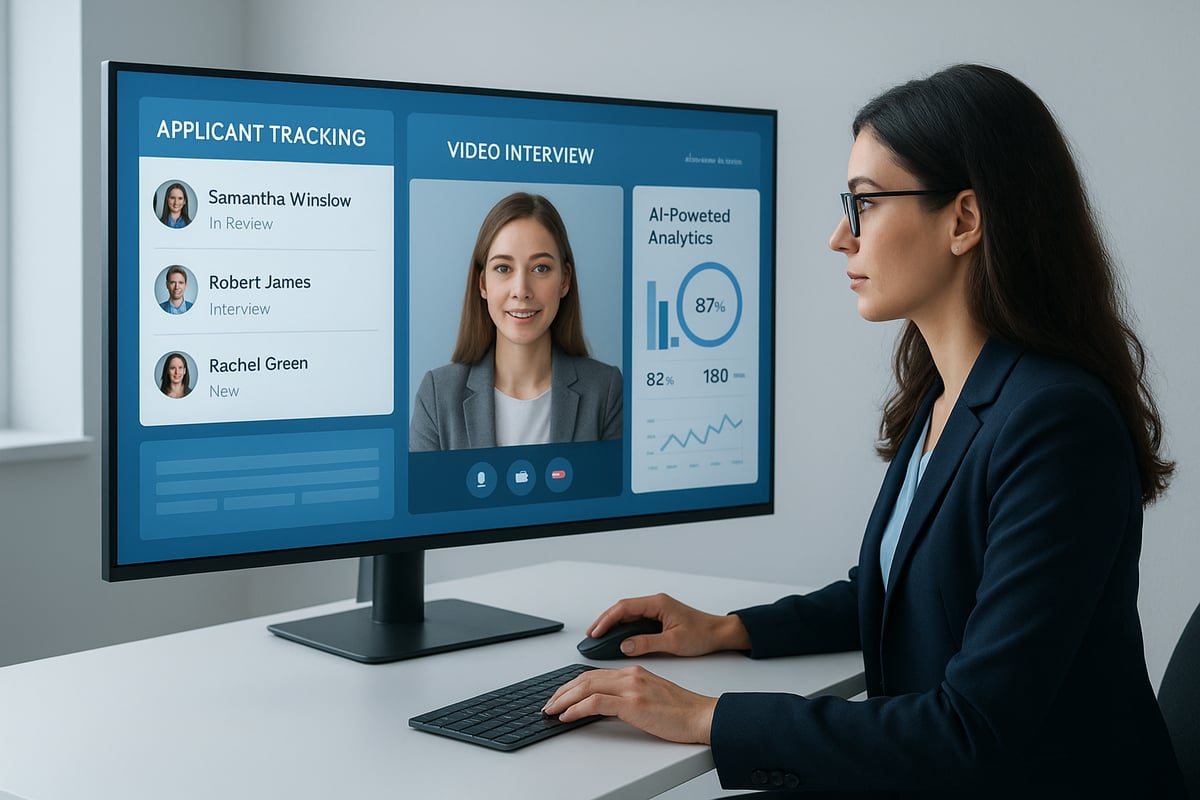
Applicant Tracking Systems (ATS)
Applicant Tracking Systems are now the backbone of recruiting for vetted candidates. These platforms streamline candidate management, automate communication, and centralize all hiring data for easy access.
98% of Fortune 500 companies use an ATS.
78% report better alignment with job criteria and hiring goals.
Features include resume parsing, automated interview scheduling, and collaborative feedback tools.
By leveraging an ATS, organizations can efficiently track the progress of vetted candidates, ensuring no step is missed and every applicant receives a fair evaluation.
Background and Reference Check Platforms
Ensuring the integrity of vetted candidates means verifying employment history, education, and past performance. Modern background and reference check platforms automate these tasks, reducing manual errors and speeding up the process.
Automated reference requests ensure timely responses.
Compliance features help maintain data privacy and legal standards.
Integration with ATS allows seamless updates and audit trails.
Using these platforms, companies can confidently validate the backgrounds of vetted candidates, minimizing the risk of costly hiring mistakes.
Skills Assessment Solutions
To confirm the capabilities of vetted candidates, organizations turn to skills assessment platforms. These tools allow employers to test technical, cognitive, and soft skills through real-world challenges.
Coding platforms like Codility and HackerRank assess technical roles.
Role-specific assessments for sales, marketing, and customer service.
Customizable tests measure problem-solving and communication abilities.
Skills assessments provide objective data to support hiring decisions, ensuring only the most qualified vetted candidates move forward.
Video Interviewing Software
Remote hiring is a standard practice in 2026, making video interviewing software essential for evaluating vetted candidates. These platforms offer live and asynchronous interviews, often enhanced by AI-driven analysis.
Tools like HireVue and Zoom support structured interviews.
AI analyzes speech patterns, body language, and responses.
Recording and sharing capabilities allow multiple stakeholders to review interviews.
Video interviewing software improves accessibility and helps organizations consistently assess vetted candidates, regardless of location.
AI-Powered Sourcing and Screening
Artificial intelligence has transformed how companies identify and evaluate vetted candidates. Machine learning algorithms match applicants to job requirements, flag incomplete applications, and score candidates for fit.
However, transparency and fairness remain critical. According to the Gartner survey on AI trust in hiring, only 26% of job seekers trust AI to evaluate them fairly. Companies must balance efficiency with clear, unbiased processes to earn candidate trust.
By combining AI with human oversight, employers can improve accuracy while ensuring that vetted candidates are assessed equitably.
Integration and Analytics Dashboards
Effective hiring of vetted candidates requires seamless integration of all tools and real-time analytics. Integration platforms connect ATS, background checks, assessments, and communication channels into a unified workflow.
Dashboards visualize candidate progress, bottlenecks, and performance metrics.
Data-driven insights help optimize every stage of the vetting process.
Customizable reports support compliance and continuous improvement.
With comprehensive analytics, organizations refine their approach to hiring vetted candidates, ensuring long-term success and a better candidate experience.
[How Sales Match Delivers Pre-Vetted Sales Talent for High-Ticket Businesses]
Finding vetted candidates who can drive results in high-ticket sales is crucial for business growth. Sales Match specializes in sourcing, assessing, and placing world-class appointment setters and closers. Their focus is on delivering top-tier talent that seamlessly integrates with your team, ensuring every hire is a strategic asset.
![[How Sales Match Delivers Pre-Vetted Sales Talent for High-Ticket Businesses]](https://framerusercontent.com/images/WHrRzfsO8Sm83VQ3c1F0lqD7f7k.jpg)
At the heart of Sales Match’s process is a rigorous 8-step approach designed to ensure only the most qualified, vetted candidates make it through. This includes:
Resume and application review for foundational skills
Live sales call assessments to evaluate real-world selling ability
Behavioral and technical interviews for deeper insights
Objection handling exercises to test adaptability
Comprehensive reference and background checks
Culture fit evaluation for team synergy
Matching to specific offers and sales processes
Final holistic review for complete alignment
By following this method, Sales Match consistently delivers vetted candidates who are not only skilled but also matched to the unique demands of high-ticket sales environments. This ensures each placement contributes to both short-term wins and long-term growth.
Speed and efficiency are central to Sales Match’s value proposition. Pre-vetted candidates are typically presented within 7 to 14 days, minimizing time-to-hire and reducing disruption to business operations. Unlike outsourced reps, these professionals are placed as in-house team members, giving you full control over performance and brand alignment.
Sales Match stands behind every placement with a replacement guarantee, making the hiring process risk-free. Their partnership extends beyond hiring, supporting onboarding and ongoing performance tracking to maximize ROI. For businesses scaling remote sales teams, their commitment to remote inside sales hiring ensures access to a curated pool of vetted candidates ready to perform from day one.
One high-ticket business recently scaled its sales team rapidly thanks to Sales Match’s streamlined vetting and placement model. With a fully integrated, high-performing team in place, the company achieved record revenue growth while avoiding the headaches of traditional hiring.
Troubleshooting Common Vetting Challenges
Every hiring process, even for vetted candidates, encounters obstacles that can hinder results. Understanding and addressing these challenges is key to maintaining a high standard of talent while protecting your business from costly missteps.
Incomplete or Inaccurate Candidate Information
One of the most frequent hurdles in hiring vetted candidates is dealing with incomplete or incorrect information. Missing documents, unclear employment history, or outdated references can slow down the process.
To overcome this, use checklists and automated reminders to prompt candidates for outstanding materials. AI-powered tools can quickly flag missing or inconsistent data, allowing your team to act swiftly. Regular follow-up and clear instructions help ensure that every candidate profile remains accurate and up to date.
Discrepancies in Background and Reference Checks
Discrepancies uncovered during background or reference checks can signal potential risks. For vetted candidates, even minor inconsistencies must be handled with care and transparency.
Engage the candidate directly to clarify any issues and consider using advanced analytics to detect patterns that might otherwise go unnoticed. When possible, partner with reputable background check providers who use secure, standardized procedures. This approach helps maintain fairness while protecting your organization from avoidable mistakes.
Time Constraints and Process Bottlenecks
Speed is often crucial when hiring vetted candidates, especially in competitive markets. However, bottlenecks can arise from manual reviews or waiting on external verifications.
Automation is essential for streamlining tasks such as resume screening and interview scheduling. According to a Forbes analysis on AI in recruitment, many employers now rely on AI to accelerate decision-making, but it's important to balance efficiency with thoroughness. Prioritize mission-critical checks and use technology to reduce turnaround times without sacrificing quality.
Candidate Ghosting and Drop-Off
Candidate ghosting is a growing concern, even for vetted candidates. Lack of communication or lengthy delays can cause top talent to withdraw from your hiring process.
Combat this by providing regular updates and clear expectations at every stage. Automated status notifications and personalized emails keep candidates engaged and informed. Quick, transparent communication shows respect and builds trust, reducing the likelihood of losing strong prospects.
Balancing Thoroughness with Candidate Experience
Ensuring a rigorous process for vetted candidates should not come at the expense of candidate experience. Overly complex or slow procedures can frustrate applicants and damage your employer brand.
Create feedback loops through surveys and encourage candidates to share their experiences. Use this feedback to refine your approach, making sure your vetting process is both robust and welcoming. Striking this balance helps you attract and retain the best talent.
Legal and Compliance Considerations
With regulations around privacy and discrimination evolving rapidly, legal compliance is a non-negotiable aspect of hiring vetted candidates. Staying current on these requirements is essential for risk mitigation.
Implement compliant tools and document every step of your process. Be aware of potential biases, especially when using AI-driven screening. Research such as the Study on AI bias in resume screening highlights the importance of unbiased practices. Regular audits and ongoing training will help ensure your hiring remains ethical and lawful.
Emerging Trends and Future-Proofing Your Vetting Strategy
To stay ahead in the competitive 2026 hiring landscape, organizations must adapt their approach to finding and retaining vetted candidates. Understanding and integrating emerging trends ensures your hiring process remains robust, efficient, and attractive to top talent.
AI and Predictive Analytics in Hiring
Artificial intelligence is transforming how companies identify and select vetted candidates. Predictive models analyze candidate data to forecast job performance and cultural fit, reducing subjective bias and increasing accuracy. Many organizations now use AI-driven platforms that screen resumes, assess skills, and even score candidates for potential success.
Recent research on AI's role in hiring highlights both the promise and the challenges of integrating these technologies. By adopting predictive analytics, HR teams can make more informed decisions, resulting in stronger hires and a more reliable workforce.
Gamification and Realistic Job Previews
Gamified assessments and realistic job previews are becoming essential tools for evaluating vetted candidates. These approaches immerse applicants in simulations or scenario-based games that mimic real workplace challenges. Companies use these methods to observe problem-solving, adaptability, and role-specific skills in action.
For instance, sales and tech roles often involve scenario games where candidates must handle objections or troubleshoot live issues. Gamification provides a deeper, more authentic insight into how candidates might perform on the job.
Continuous Vetting and Post-Hire Analytics
The vetting process does not end with a job offer. Continuous vetting and post-hire analytics allow organizations to monitor new hires, track performance, and address issues early. Dashboards aggregate feedback, performance metrics, and engagement data, helping HR teams refine their approach for future vetted candidates.
Ongoing evaluation ensures that hires not only meet initial expectations but continue to grow and contribute positively to the organization long after onboarding.
Diversity, Equity, and Inclusion (DEI) in Vetting
Prioritizing DEI transforms how companies attract and assess vetted candidates. Structured interviews, blind resume screening, and standardized evaluation criteria minimize unconscious bias. This focus expands talent pipelines and promotes a more inclusive workplace.
Firms committed to DEI are also more likely to retain high-performing employees, as diverse teams foster greater innovation and collaboration.
Candidate Experience as a Competitive Advantage
Delivering a transparent and engaging experience for vetted candidates is now a key differentiator. From clear communication to timely feedback, every touchpoint influences a candidate's perception of your brand. Companies that invest in candidate experience attract better applicants and build a reputation for fairness and respect.
Feedback loops, surveys, and personalized updates help ensure that top talent feels valued throughout the process.
Remote and Global Talent Pools
The rise of remote work has expanded access to vetted candidates worldwide. Organizations now adapt their vetting processes to accommodate virtual interviews, global compliance checks, and time zone differences. Video interviewing platforms and digital assessment tools streamline hiring across borders.
For those seeking specialized roles, such as high-ticket sales jobs remote, efficient vetting ensures alignment with company standards and client expectations, no matter where the candidate is located.
Preparing for Regulatory Changes
With evolving privacy regulations and labor laws, staying compliant is essential when hiring vetted candidates. Leading companies use adaptable tools and documented processes to anticipate legal changes and maintain data privacy. Regular training and audits help organizations avoid costly mistakes and protect their employer brand.
By future-proofing your vetting strategy, you set your organization up for long-term success in a rapidly changing talent market.
As we move into 2026, the stakes for hiring the right talent have never been higher. You now have the proven steps and tools to identify, assess, and secure candidates who fit both your culture and your performance goals. If you're ready to build a high-performing sales team without the headache of endless screening and uncertainty, I encourage you to explore how Sales Match delivers pre vetted appointment setters and closers on demand. Take the next step toward transforming your hiring strategy and drive real results for your business—Learn more.