Jobs Remote Sales: Your Complete Guide for 2026
Discover everything about jobs remote sales in 2026. Learn about roles, skills, hiring strategies, and how to build high-performing remote teams.
published
The landscape of jobs remote sales has transformed dramatically over the past few years, creating unprecedented opportunities for both sales professionals and businesses. Companies selling high-ticket products and services over the internet now have access to global talent pools, while sales professionals can work from anywhere without sacrificing their career trajectory. This shift has fundamentally changed how businesses approach sales team building, particularly for organizations selling premium offerings through virtual channels like Zoom or Google Meet. Understanding the nuances of remote sales positions helps both employers and job seekers navigate this evolving marketplace effectively.
The Current State of Jobs Remote Sales
Remote sales positions have become increasingly prevalent across industries, with certain roles showing particularly high adoption rates. According to ZipRecruiter's 2022 Graduate Report, Sales Consultant positions had 16.6% of postings listed as remote in 2021, demonstrating significant market acceptance of virtual sales work. This percentage has continued to grow substantially through 2026.
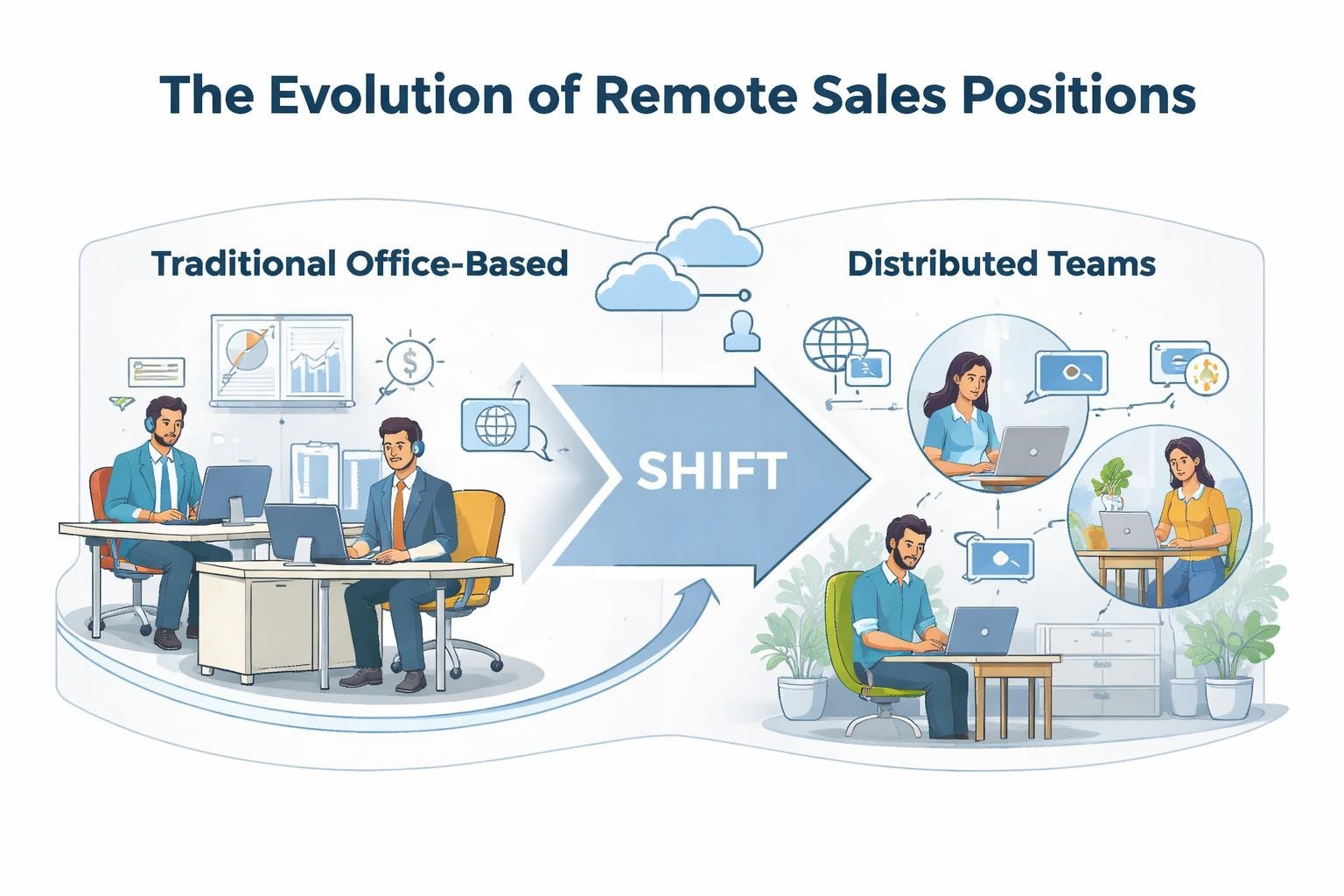
The transformation extends beyond simple work-from-home arrangements. Jobs remote sales now encompass sophisticated virtual selling operations where appointment setters and closers manage entire sales cycles without ever meeting prospects face-to-face. High-ticket businesses, particularly those in coaching, consulting, and service-based industries, have discovered that remote sales teams often outperform traditional office-based configurations.
Categories of Remote Sales Positions
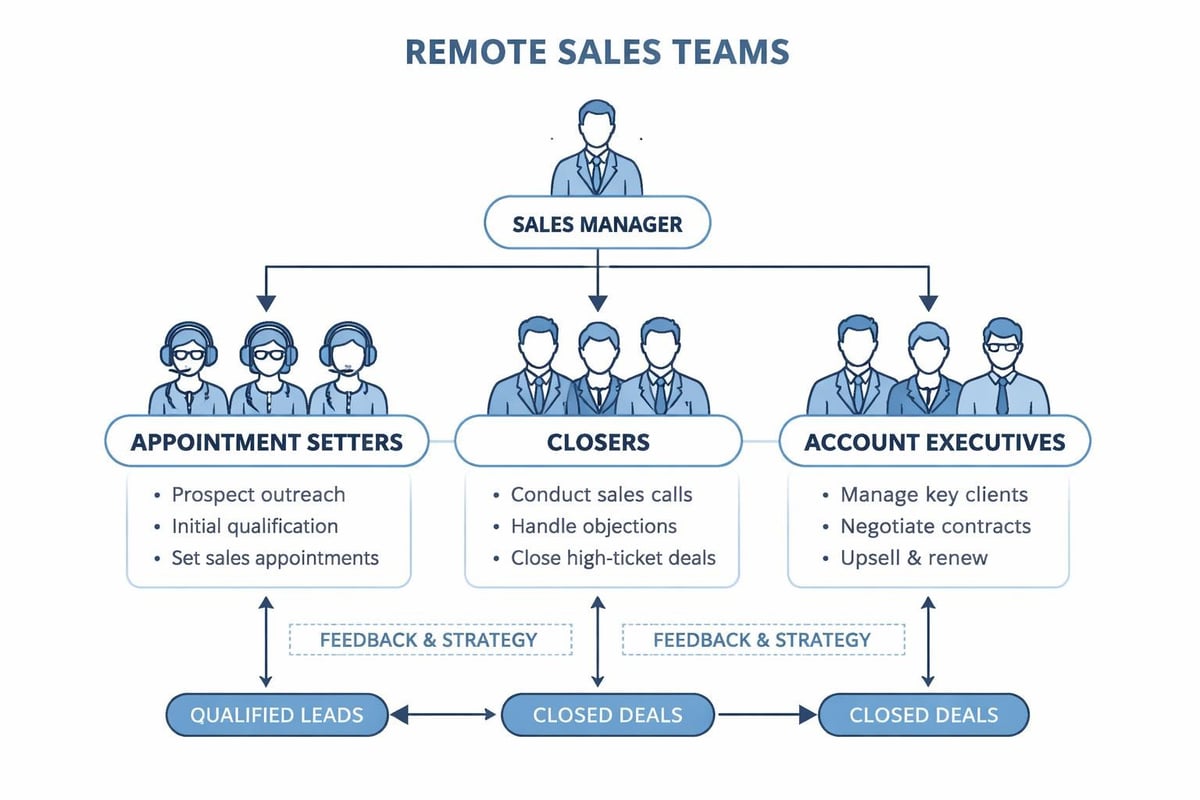
Appointment Setters form the foundation of many remote sales operations. These professionals qualify leads, schedule discovery calls, and ensure prospects arrive prepared for sales conversations. Their role requires exceptional communication skills and the ability to build rapport quickly through digital channels.
Closers represent the second critical category in jobs remote sales. These experienced professionals handle high-value conversations, navigate objections, and guide prospects through purchase decisions. For businesses selling products or services above $2,500, skilled closers become essential team members who directly impact revenue generation.
Account Executives manage ongoing client relationships and identify upsell opportunities. This role combines consultative selling with customer success responsibilities, requiring deep product knowledge and strategic thinking capabilities.
Essential Skills for Remote Sales Professionals
The skill requirements for jobs remote sales differ notably from traditional sales positions. Technical proficiency stands as a baseline requirement rather than a bonus qualification. Sales professionals must navigate CRM platforms, video conferencing tools, screen sharing applications, and digital proposal software without technical support standing nearby.
Communication Excellence in Digital Environments
Written communication becomes exponentially more important in remote settings. Email sequences, text message follow-ups, and LinkedIn outreach all require persuasive writing abilities that many traditional salespeople never fully developed. Remote sales professionals must convey enthusiasm, build trust, and establish authority through text alone.
Verbal communication takes on new dimensions through video calls. Successful remote sellers master camera presence, microphone clarity, and visual presentation skills. They understand how lighting, backgrounds, and framing affect perceived professionalism and credibility.
Active listening through digital channels requires heightened attention to verbal cues since body language becomes less visible
Adaptability to various communication platforms ensures seamless prospect experiences regardless of preferred technology
Time zone management enables global prospect engagement without scheduling conflicts
Self-directed workflow management maintains productivity without direct supervision
Sales Methodology Mastery
Remote sales professionals need structured approaches to guide prospect conversations. Best practices for managing remote sales teams emphasize the importance of clear processes and consistent execution standards. Whether using SPIN selling, challenger methodologies, or consultative frameworks, remote sellers must internalize these systems completely.
The absence of in-person mentorship requires remote sales professionals to take ownership of their continuous improvement. They record calls, analyze performance metrics, and seek feedback proactively rather than waiting for managers to initiate coaching sessions.
Building Your Remote Sales Team Strategy
Businesses pursuing jobs remote sales face unique hiring challenges and opportunities. Traditional recruitment approaches often fail to identify candidates who thrive in virtual environments. The selection criteria must extend beyond sales experience to evaluate remote work capabilities, self-motivation levels, and digital communication skills.
Defining Role Requirements
Clarity around specific responsibilities prevents misalignment between employer expectations and candidate capabilities. For high-ticket sales positions, detailed job descriptions should specify:
Requirement Category | Key Elements |
|---|---|
Technical Skills | CRM proficiency, video platform expertise, digital presentation tools |
Sales Experience | Industry background, deal sizes closed, sales cycle length |
Remote Work History | Years working remotely, self-management examples, virtual team collaboration |
Communication Style | Written samples, video interview performance, response timeliness |
The vetting process for remote sales candidates requires multiple evaluation stages. Initial screening calls assess basic qualifications, while role-play scenarios reveal actual selling capabilities. Reference checks become particularly important for verifying remote work success stories and self-directed achievement patterns.
Compensation Structures for Remote Sales Roles
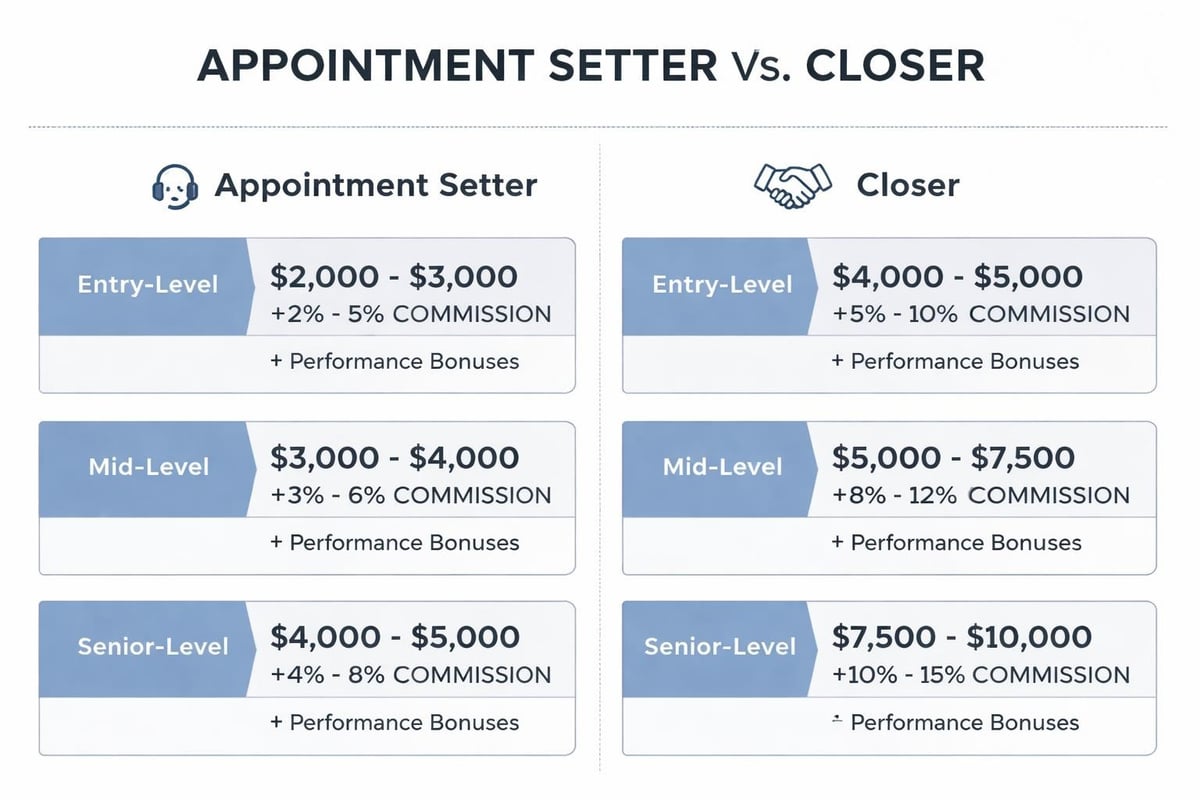
Jobs remote sales typically utilize compensation models that balance base salary with performance incentives. The structure must motivate consistent activity while rewarding closed business appropriately. Many high-ticket businesses implement tiered commission structures where percentages increase as sellers exceed quota thresholds.
Base salary considerations vary significantly by role and experience level. Appointment setters often receive lower base compensation with volume-based bonuses, while closers command higher guaranteed income reflecting their direct revenue impact.
Commission components should align with business economics and competitive market rates. Understanding your commission structure helps attract top performers while maintaining profitability on closed deals.
Equity or profit-sharing arrangements sometimes supplement traditional compensation for senior remote sales leaders. These longer-term incentives promote retention and align individual success with company growth objectives.
Managing and Supporting Remote Sales Teams
The operational aspects of jobs remote sales extend far beyond initial hiring decisions. Effective management practices determine whether remote teams achieve their potential or struggle with isolation and inconsistent performance. Leading and coaching remote sales teams requires intentional communication rhythms and structured support systems.
Communication Cadences
Daily stand-up meetings create accountability and maintain team connection. These brief sessions allow sales professionals to share wins, discuss challenges, and receive immediate guidance on active opportunities. The format should encourage participation while respecting everyone's selling time.
Weekly pipeline reviews provide deeper opportunity analysis and strategic coaching. Managers examine deal progression, identify stuck opportunities, and help sellers develop advancement strategies. These sessions build forecasting accuracy while developing seller skills.
Monthly one-on-one meetings address individual performance, career development, and personal challenges. Remote workers particularly value this dedicated attention from leadership, which combats the isolation inherent in distributed work arrangements.
Technology Infrastructure
Investment in proper tools determines remote sales team effectiveness. CRM systems must provide mobile accessibility, real-time data synchronization, and intuitive interfaces that don't impede selling activities. Integration between platforms eliminates redundant data entry and ensures information accuracy.
Video conferencing solutions need enterprise-grade reliability with features like recording capabilities, screen sharing, and virtual backgrounds. Sales professionals should never worry about technology failures during critical prospect conversations.
Collaboration platforms facilitate knowledge sharing and team cohesion. Dedicated channels for wins, questions, and industry insights help distributed team members learn from each other despite physical separation.
Performance Metrics and Accountability
Measurement systems for jobs remote sales must track both activity and outcomes. Leading indicators like calls made, emails sent, and meetings scheduled predict future results while providing early intervention opportunities when sellers struggle.
Conversion rates at each pipeline stage reveal process effectiveness and individual skill levels
Average deal size trends indicate whether sellers target appropriate prospects and position value effectively
Sales cycle length shows efficiency in moving opportunities toward closure
Customer acquisition cost ensures remote sales operations maintain economic viability
Transparency around these metrics creates healthy competition and clear performance expectations. Remote sales professionals appreciate understanding exactly how their work gets evaluated and what success looks like.
Training and Development Programs
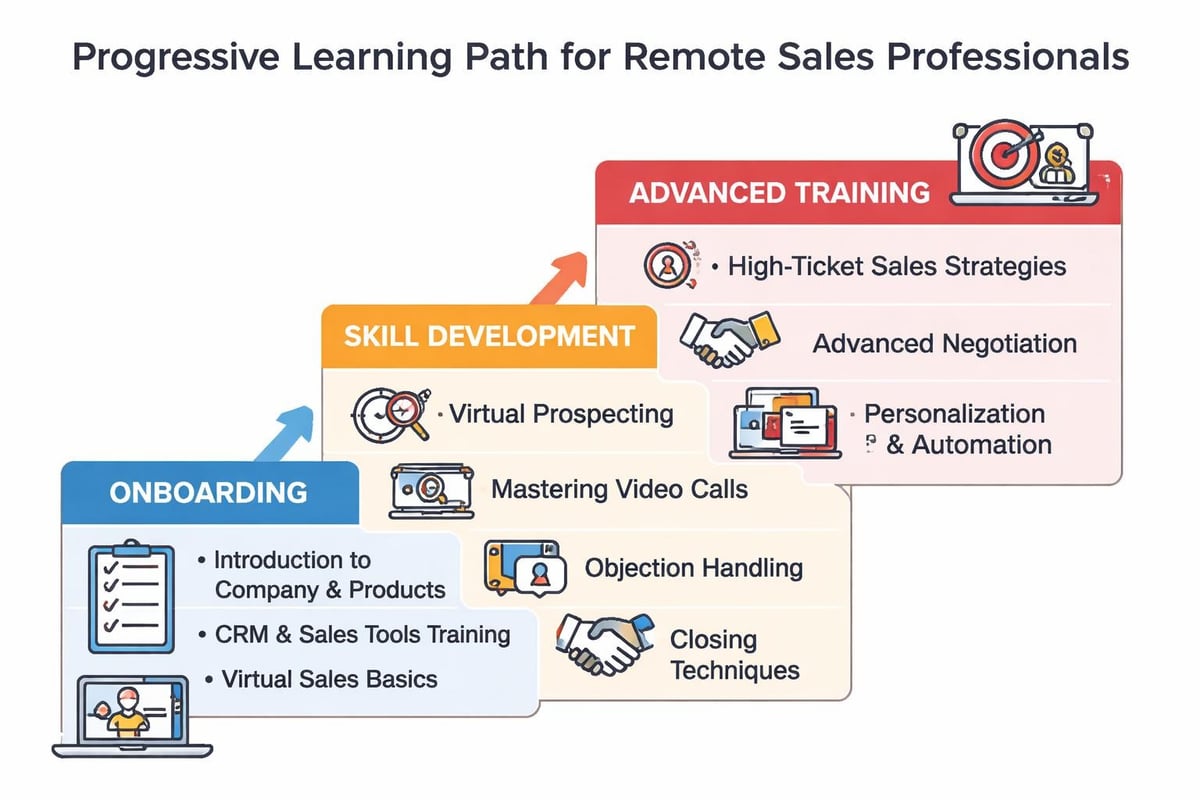
New remote sales hires require structured onboarding that compensates for the absence of in-person observation and immediate assistance. Comprehensive training programs address product knowledge, sales methodology, and company culture simultaneously.
Onboarding Best Practices
The first week should establish foundational understanding without overwhelming new team members. Product training introduces offerings, positioning, and competitive differentiators. Sales process training outlines the specific steps from initial contact through closed deals.
Shadowing opportunities through recorded calls or live session observation accelerate learning dramatically. New hires witness successful conversations and understand how experienced sellers navigate objections, build value, and ask for business.
Role-playing exercises provide safe environments for practicing new skills before engaging real prospects. Managers and peers offer constructive feedback that refines techniques and builds confidence.
According to remote selling best practices, developing consistent daily habits around sales activity drives long-term success. Training should instill these patterns from day one.
Continuous Skill Development
Jobs remote sales demand ongoing learning as markets evolve and buyer behaviors shift. Monthly training sessions introduce new techniques, address common challenges, and share successful strategies from top performers.
Certification programs for specific methodologies or tools demonstrate professional commitment while standardizing approaches across the team. Whether pursuing challenger sales certification or mastering advanced CRM features, these credentials elevate team capabilities.
External coaching resources supplement internal development programs. Bringing in outside experts for quarterly workshops provides fresh perspectives and validates internal teachings.
Finding Quality Remote Sales Talent
The challenge of sourcing qualified candidates for jobs remote sales has intensified as competition for top performers increases. Traditional job boards produce high application volumes but often low qualification rates. Specialized recruitment approaches yield better results despite requiring more initial investment.
Sourcing Strategies
Industry-specific job boards attract candidates with relevant experience who actively seek remote sales opportunities. Positions posted on these platforms typically receive fewer but more qualified applications than general employment sites.
LinkedIn recruiting enables targeted outreach to passive candidates who might not actively job search but would consider compelling opportunities. Advanced search filters identify professionals with specific experience profiles and remote work histories.
Referral programs leverage existing team members' networks to identify qualified candidates. Top performers often know other talented sellers, and employee referrals typically result in higher retention rates than other sourcing methods.
Working with specialized recruitment firms focused on sales professionals provides access to pre-vetted talent pools. These partnerships eliminate much of the initial screening burden while ensuring candidates possess verified capabilities.
Evaluation Methodologies
Effective assessment for jobs remote sales incorporates multiple data points rather than relying on interviews alone. Skills assessments reveal actual capabilities while personality profiles indicate cultural fit and work style compatibility.
Video interviews serve dual purposes by evaluating communication skills while demonstrating candidates' comfort with virtual interactions. Strong remote sales professionals present professionally, maintain engagement through screens, and articulate ideas clearly in this format.
Sales simulations create realistic scenarios where candidates demonstrate their approach to discovery calls, objection handling, and closing conversations. These exercises reveal much more about actual capabilities than discussing hypothetical situations.
Reference verification becomes particularly important for remote positions. Speaking with former managers and colleagues provides insights into work habits, self-direction capabilities, and remote collaboration effectiveness that interviews might not uncover.
Technology and Tools for Remote Sales Success
The right technology stack transforms jobs remote sales from challenging ventures into streamlined operations. Strategic tool selection balances functionality, user experience, and integration capabilities to create seamless workflows.
Core Platform Requirements
Customer relationship management systems form the operational foundation. The platform must capture all prospect interactions, automate follow-up sequences, and provide accurate pipeline visibility. Mobile functionality ensures sellers access critical information regardless of location.
Tool Category | Primary Functions | Key Selection Criteria |
|---|---|---|
CRM Platform | Contact management, pipeline tracking, reporting | Customization options, mobile access, integration capabilities |
Video Conferencing | Prospect meetings, team calls, training sessions | Reliability, recording features, participant capacity |
Email Automation | Sequence deployment, response tracking, template management | Deliverability rates, personalization options, analytics |
Proposal Software | Quote generation, contract management, e-signature | Template variety, brand customization, workflow automation |
Communication platforms facilitate internal collaboration and knowledge sharing. Features like dedicated channels, file sharing, and searchable message history help distributed teams maintain connection and access institutional knowledge.
Calendar scheduling tools eliminate back-and-forth email exchanges while qualifying prospects through pre-meeting questions. Integration with video platforms creates seamless booking-to-meeting experiences.
Analytics and Reporting Systems
Data-driven decision making separates high-performing remote sales teams from average operations. Analytics platforms should surface insights about individual performance, team trends, and process bottlenecks without requiring manual report creation.
Call recording and analysis provides coaching opportunities and compliance documentation. Reviewing recorded conversations helps sellers identify improvement areas while managers spot training needs across the team.
Conversion funnel analysis reveals where prospects drop from the sales process most frequently. These insights guide process refinement and targeted skill development initiatives.
Remote Sales Career Development
Professionals pursuing jobs remote sales should approach their careers strategically rather than viewing remote work as simply a convenience factor. The best remote sales opportunities provide growth potential comparable to or exceeding traditional office-based positions.
Building Your Professional Profile
Demonstrating remote sales capabilities requires different evidence than traditional sales backgrounds. Quantifiable achievements matter tremendously, but documentation of virtual selling success becomes equally important.
Portfolio development should include recorded sales calls (with appropriate permissions), case studies of complex deals closed remotely, and testimonials from satisfied clients. These materials differentiate candidates in competitive hiring processes.
Skill certification in sales methodologies, product categories, or technology platforms validates expertise beyond self-reported capabilities. Investments in professional development signal commitment to excellence.
Thought leadership through blog posts, LinkedIn articles, or speaking engagements establishes industry authority. Sharing insights about remote selling builds personal brands that attract premium opportunities.
Advancing Within Remote Sales Organizations
Career progression in jobs remote sales follows similar patterns to traditional environments but requires more proactive self-advocacy. Remote workers must ensure leaders recognize their contributions and understand their advancement aspirations.
Setting clear performance goals with quantifiable metrics creates objective advancement criteria. When promotion discussions occur, documented achievement against these standards provides compelling evidence of readiness for increased responsibility.
Seeking high-ticket sales positions with structured career paths demonstrates commitment to long-term growth within remote selling. Organizations with defined progression from appointment setter to closer to sales leader provide clear advancement roadmaps.
The Future of Jobs Remote Sales
Remote sales positions will continue expanding as businesses recognize the operational and talent advantages of distributed teams. Technology improvements will further reduce friction in virtual selling while expanding capabilities beyond current limitations.
Artificial intelligence tools will augment rather than replace human sellers, handling routine tasks while freeing professionals to focus on relationship building and complex problem solving. Voice analysis, sentiment detection, and automated follow-up systems will enhance productivity without eliminating the human elements that drive high-value sales.
Global talent competition will intensify as geographic boundaries continue eroding. Top performers will command premium compensation regardless of location, while average sellers face increased pressure from worldwide competition.
Specialization trends will create niche opportunities for sellers with deep expertise in specific industries or sales methodologies. Generalist remote sellers may struggle to differentiate themselves in increasingly crowded markets.
The businesses that thrive with jobs remote sales will be those that treat remote team building as a strategic initiative rather than a cost-saving measure. Investment in proper tools, comprehensive training, and supportive management creates competitive advantages that compound over time. Companies that view remote sales teams as inferior to office-based groups will increasingly struggle to attract top talent as remote work preferences become non-negotiable for many professionals.
Building a successful remote sales operation requires the right talent, proper systems, and strategic execution across every phase from hiring through ongoing development. Whether you're exploring jobs remote sales as a professional or building a distributed sales team as a business leader, understanding these dynamics positions you for success in the evolving virtual selling landscape. For high-ticket businesses ready to build world-class remote sales teams without lengthy hiring processes, Sales Match provides access to pre-vetted appointment setters and closers who specialize in virtual selling for premium offerings.