
Pharma Sales Recruiters: Your 2026 Hiring Guide
Discover how pharma sales recruiters identify top talent in pharmaceutical sales. Learn hiring strategies, industry trends, and recruitment best practices.
published
The pharmaceutical industry continues to expand rapidly, with market projections indicating substantial growth through the end of this decade. Finding qualified sales professionals who can effectively communicate complex medical information while building trusted relationships with healthcare providers has become increasingly challenging. Pharma sales recruiters serve as specialized talent acquisition partners who understand the unique demands of pharmaceutical sales roles and can identify candidates with the right combination of scientific knowledge, interpersonal skills, and proven sales ability. As organizations compete for limited talent pools, working with experienced recruiters who specialize in pharmaceutical sales becomes essential for building high-performing teams.
The Specialized Role of Pharma Sales Recruiters
Pharma sales recruiters focus exclusively on identifying, vetting, and placing sales professionals within the pharmaceutical and biotechnology sectors. Unlike generalist recruiters, these specialists understand the regulatory environment, compliance requirements, and ethical considerations that define pharmaceutical sales.
The pharmaceutical contract sales market is projected to reach $24.8 billion by 2030, reflecting the growing complexity in pharmaceutical commercialization models according to recent market analysis. This expansion creates continuous demand for skilled sales talent.
Understanding Industry-Specific Requirements
Pharmaceutical sales representatives must navigate a unique professional landscape. These professionals need to understand drug mechanisms, clinical trial data, and competitive positioning while adhering to strict ethical guidelines outlined in pharmaceutical sales ethics standards.
Pharma sales recruiters evaluate candidates on several critical dimensions:
Scientific literacy and ability to comprehend complex medical information
Relationship-building skills with physicians and healthcare administrators
Compliance knowledge and ethical decision-making
Territory management and strategic planning capabilities
Digital proficiency with CRM systems and virtual presentation tools
The best recruiters assess these competencies through structured interviews, role-play scenarios, and comprehensive reference checks.

Current Trends Shaping Pharmaceutical Recruitment
The pharmaceutical recruitment landscape has evolved significantly over the past few years. Pharmaceutical recruitment trends in 2025 highlight several transformative shifts that pharma sales recruiters must navigate.
Remote Work and Virtual Selling
Traditional field-based pharmaceutical sales models have incorporated substantial virtual components. Sales representatives now conduct remote presentations, virtual lunch-and-learns, and digital territory management. This shift requires different skill sets than purely in-person sales approaches.
Recruiters now prioritize candidates with demonstrated competency in:
Virtual presentation software and web conferencing platforms
Digital engagement strategies for healthcare professionals
Self-management and remote productivity
Technology adoption and troubleshooting
Organizations building high-ticket sales teams recognize that pharmaceutical products often represent significant investment decisions for healthcare systems, requiring sophisticated consultative selling approaches.
Digital Transformation Impact
The pharmaceutical industry embraces digital tools for sales enablement, customer relationship management, and data analytics. According to career development insights for pharmaceutical sales representatives, professionals must now master CRM analytics, virtual detailing platforms, and digital marketing integration.
Traditional Skills | Emerging Digital Skills |
|---|---|
In-person presentations | Virtual engagement platforms |
Paper-based samples tracking | Digital sample management systems |
Manual territory planning | Geographic information systems |
Phone-based scheduling | Automated calendar integration |
Face-to-face relationship building | Multi-channel communication strategies |
Pharma sales recruiters must identify candidates who demonstrate both foundational sales excellence and digital adaptability.
The Vetting Process for Pharmaceutical Sales Talent
Quality pharma sales recruiters implement rigorous vetting processes to ensure candidates meet industry standards. This evaluation extends beyond resume screening to comprehensive capability assessment.
Multi-Stage Assessment Framework
Professional pharmaceutical recruiters use structured evaluation frameworks that test candidates across multiple dimensions. These assessments verify that candidates possess the specialized knowledge and skills required for pharmaceutical sales success.
Stage One: Foundational Screening
Initial screening examines educational background, relevant experience, and basic qualifications. Pharmaceutical sales roles typically require bachelor's degrees, with preference given to life sciences, biology, chemistry, or related fields.
Stage Two: Skills Verification
Recruiters conduct behavioral interviews focused on specific competencies. Questions explore past situations where candidates demonstrated scientific comprehension, ethical decision-making, relationship development, and sales achievement.
Stage Three: Role Simulation
Top-tier recruiters incorporate realistic job simulations. Candidates might present a mock product detail to evaluate their ability to communicate complex medical information clearly and persuasively.
Stage Four: Reference Validation
Comprehensive reference checks verify past performance, work style, and professional reputation. Recruiters specifically probe for compliance adherence and ethical conduct.
This thorough approach helps ensure vetted candidates meet pharmaceutical industry standards before placement.

Building Effective Pharma Sales Teams
Pharmaceutical organizations face unique challenges when assembling sales teams. The life sciences industry experiences exploding demand with minimal skill transferability, making specialized recruitment expertise essential.
Team Composition Strategies
Successful pharmaceutical sales teams balance various experience levels and specializations. Pharma sales recruiters help organizations determine optimal team structure based on product portfolios, target markets, and strategic objectives.
Territory specialists who develop deep relationships within specific geographic areas
Key account managers focused on major healthcare systems and institutional buyers
Clinical specialists who provide advanced scientific expertise for complex products
New product launch teams assembled specifically for market introductions
Organizations seeking to hire a sales team benefit from recruiters who understand these distinct roles and can source appropriate talent for each position.
Addressing Retention Challenges
The pharmaceutical sales industry experiences notable turnover, making retention a critical concern. Strategies for maximizing pharmaceutical sales representative retention include fostering positive work culture, promoting work-life balance, and providing clear career advancement pathways.
Experienced pharma sales recruiters consider cultural fit and long-term compatibility during candidate evaluation. They assess whether candidates align with organizational values and demonstrate commitment to sustained career development within pharmaceutical sales.
Organizations offering replacement guarantees provide additional security when building pharmaceutical sales teams, ensuring business continuity even if initial placements don't achieve expected performance levels.
Compensation and Market Dynamics
Understanding current compensation trends helps pharma sales recruiters attract qualified candidates. According to biopharma sales recruitment analysis, salary trends reflect competitive market conditions and specialized skill requirements.
Competitive Compensation Structures
Pharmaceutical sales compensation typically combines base salary with performance incentives. Recruiters must accurately communicate total compensation packages while managing candidate expectations about realistic timelines for commission achievement.
Compensation Component | Typical Structure |
|---|---|
Base Salary | Fixed annual compensation reflecting experience and market rates |
Commission | Variable compensation tied to sales performance metrics |
Bonuses | Quarterly or annual incentives based on goal achievement |
Benefits | Healthcare, retirement contributions, professional development |
Equity | Stock options or restricted shares for senior positions |
Transparent discussion of commission structure expectations prevents misalignment between candidates and hiring organizations.
Market Growth Implications
The pharma contract sales market is projected to grow at a CAGR of 8.2% through 2033, according to market forecasting data. This expansion creates sustained demand for pharmaceutical sales talent.
Pharma sales recruiters help organizations navigate competitive talent markets by:
Providing current market intelligence on compensation benchmarks
Identifying passive candidates not actively job searching
Accelerating time-to-hire to secure top talent quickly
Negotiating offers that balance organizational budgets with candidate expectations
Choosing the Right Recruitment Partner
Organizations seeking pharmaceutical sales talent should carefully evaluate potential recruitment partners. Not all recruiters possess the specialized knowledge required for pharmaceutical sales placement.
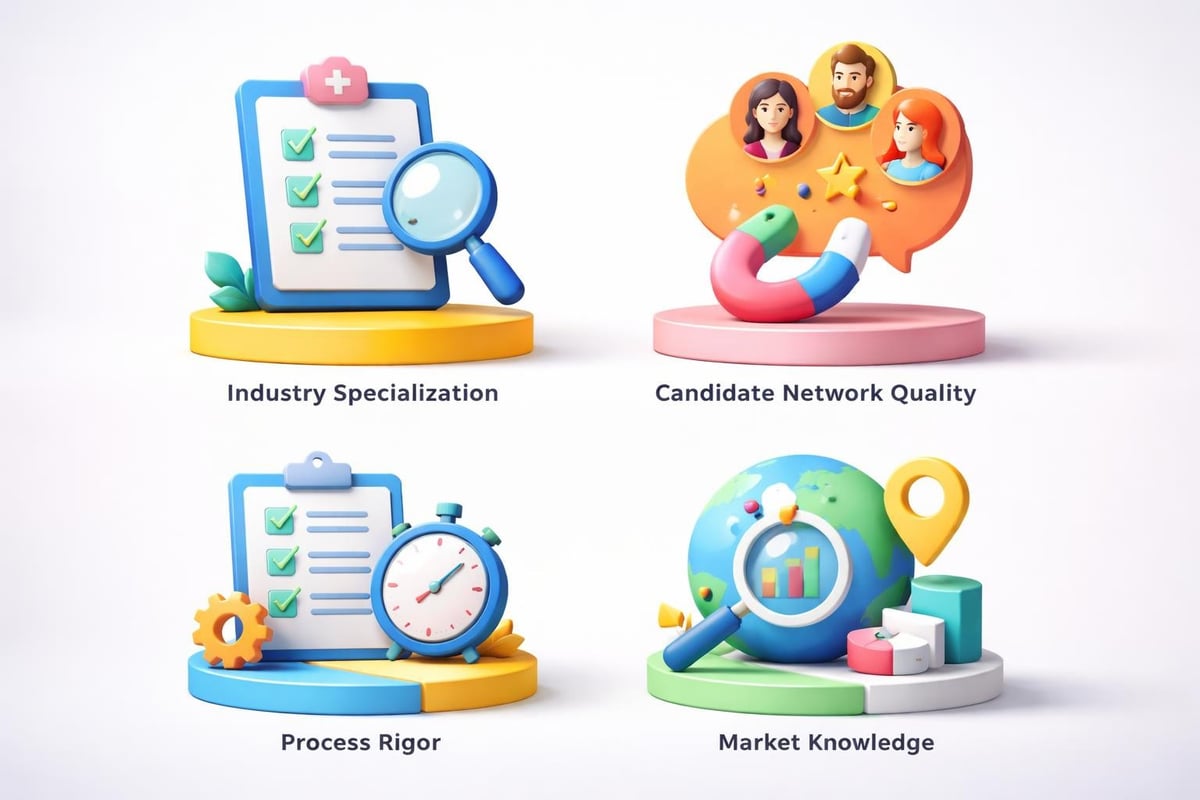
Key Selection Criteria
When evaluating pharma sales recruiters, consider these essential factors:
Industry Specialization
Look for recruiters who focus specifically on pharmaceutical, biotechnology, or medical sales. Specialists understand nuanced requirements that generalists might overlook.
Candidate Network Quality
Established recruiters maintain relationships with experienced pharmaceutical sales professionals. This network provides access to qualified candidates beyond those actively searching job boards.
Process Rigor
Quality recruiters implement structured evaluation processes rather than simply forwarding resumes. Ask about specific assessment methodologies and quality control measures.
Market Knowledge
Effective recruiters provide current intelligence about compensation trends, talent availability, and competitive dynamics. They function as strategic advisors, not just resume sources.
Organizations focused on top sales recruiting firms prioritize partners who demonstrate these capabilities consistently.
Integration with Broader Sales Recruitment Strategies
While pharmaceutical sales requires specialized knowledge, many recruitment best practices apply across industries. Organizations building diverse sales capabilities benefit from recruitment partners who understand both pharmaceutical specifics and general sales excellence.
Cross-Industry Transferable Skills
Certain sales competencies translate effectively across industries. Top pharma sales recruiters recognize when candidates from adjacent fields possess transferable skills that predict pharmaceutical sales success.
Valuable transferable capabilities include:
Consultative selling approaches for complex solutions
Relationship development with executive-level decision makers
Data-driven territory management and pipeline forecasting
Objection handling and negotiation expertise
Self-motivation and independent work management
Organizations expanding into pharmaceutical sales might leverage existing sales professionals while building specialized pharmaceutical knowledge through training programs.
Building Comprehensive Sales Organizations
Companies offering multiple products or services often need diverse sales team configurations. Professional recruitment partners help organizations determine when specialized pharmaceutical recruiters add value versus when broader sales recruitment capabilities suffice.
For businesses selling high-value services or products primarily through virtual channels, services that provide pre-vetted sales talent streamline team building across various specializations.
Technology and Data in Pharmaceutical Recruitment
Modern pharma sales recruiters leverage technology platforms and data analytics to improve candidate identification and evaluation. While traditional relationship-based recruiting remains important, data-driven approaches enhance decision quality.
Predictive Analytics Applications
Advanced recruiters analyze historical placement data to identify patterns that predict successful pharmaceutical sales performance. These insights inform candidate evaluation criteria and improve hiring accuracy.
Research exploring deep learning algorithms for pharmaceutical sales forecasting demonstrates how analytical approaches increasingly influence pharmaceutical business decisions, including talent management.
Assessment Technology Integration
Digital assessment platforms enable standardized candidate evaluation across multiple competency dimensions. These tools provide objective data that complements subjective interview impressions.
Common assessment technologies include:
Cognitive ability tests measuring problem-solving and learning capacity
Personality assessments evaluating behavioral tendencies and work style preferences
Situational judgment tests presenting realistic scenarios requiring decision-making
Skills simulations replicating actual job tasks for performance evaluation
Video interviewing platforms enabling asynchronous candidate screening
Pharma sales recruiters integrate these technologies while maintaining human judgment throughout final selection decisions.
Regulatory and Compliance Considerations
Pharmaceutical sales operates within a heavily regulated environment. Effective pharma sales recruiters understand compliance requirements and assess candidates' appreciation for ethical boundaries.
Understanding Ethical Standards
Pharmaceutical sales professionals must adhere to industry codes of conduct, company policies, and federal regulations governing interactions with healthcare providers. Recruiters should evaluate candidates' understanding of these requirements and their commitment to ethical practice.
Key compliance areas include:
Accurate product representation without off-label promotion
Appropriate value transfer to healthcare professionals
Privacy protection for patient and prescriber information
Transparent reporting of adverse events
Anti-kickback statute compliance
Candidates with previous pharmaceutical experience should demonstrate clear understanding of these principles and provide examples of ethical decision-making in ambiguous situations.
Training and Onboarding Support
Quality pharma sales recruiters recognize that even experienced candidates require company-specific training on products, policies, and procedures. Some recruitment partners offer onboarding support to facilitate smooth transitions.
Organizations should clarify what post-placement support recruiters provide, including:
Integration assistance during initial employment weeks
Performance monitoring and feedback collection
Intervention if early warning signs appear
Replacement facilitation if placements don't succeed
Navigating pharmaceutical sales recruitment requires specialized expertise that combines industry knowledge, rigorous candidate vetting, and understanding of complex regulatory environments. Whether you need specialized pharmaceutical sales talent or broader sales team capabilities for high-ticket offerings, working with experienced recruitment partners accelerates hiring while improving placement quality. Sales Match provides pre-vetted sales professionals ready to drive results for businesses selling premium products and services, with replacement guarantees that ensure your team remains strong even as market conditions evolve.