Remote Salesperson: Hiring & Managing Virtual Sales Talent
Learn how to hire, manage, and maximize performance of a remote salesperson. Expert strategies for building effective virtual sales teams in 2026.
published
The modern business landscape has fundamentally transformed how companies approach sales operations. For high-ticket businesses selling products or services over $2,500 through virtual platforms, hiring a skilled remote salesperson has become essential rather than optional. Whether you're a marketing agency, consultant, or service-based business conducting sales via Zoom or Google Meet, understanding how to effectively recruit, onboard, and manage remote sales talent can dramatically impact your revenue trajectory. This comprehensive guide explores the critical aspects of working with remote sales professionals and building a high-performing virtual sales team.
Understanding the Remote Salesperson Role
A remote salesperson operates entirely outside traditional office environments, conducting all sales activities through digital channels. This role has evolved significantly beyond simple phone sales, now encompassing sophisticated virtual demonstrations, relationship building through video platforms, and complex deal negotiations conducted entirely online.
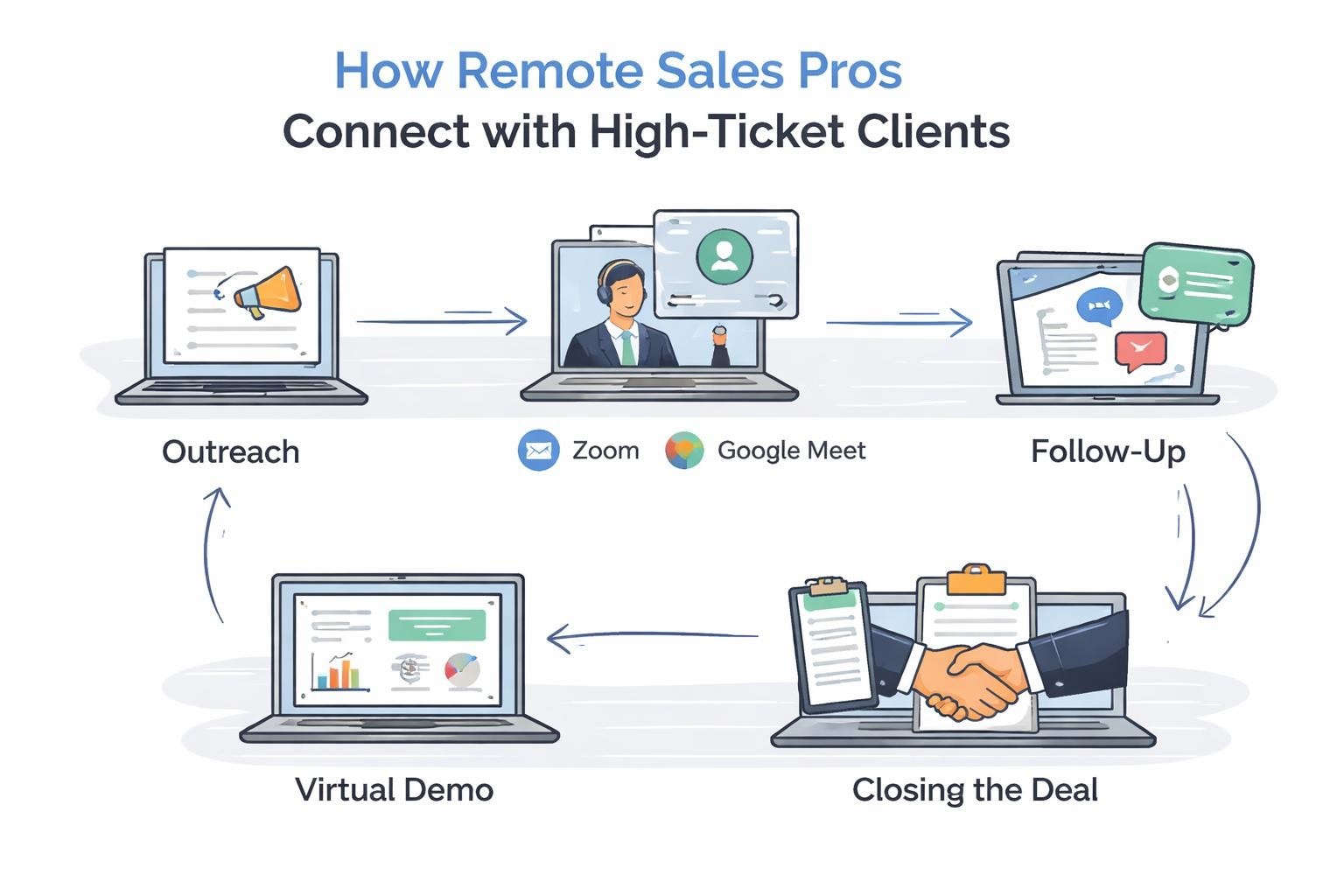
The responsibilities of a remote salesperson typically include prospecting qualified leads, conducting discovery calls, presenting solutions through screen sharing and video communication, handling objections, and closing deals without ever meeting clients face-to-face. For businesses selling high-ticket offerings, these professionals must demonstrate exceptional communication skills and technical proficiency to build trust remotely.
Key Characteristics of Effective Remote Sales Professionals
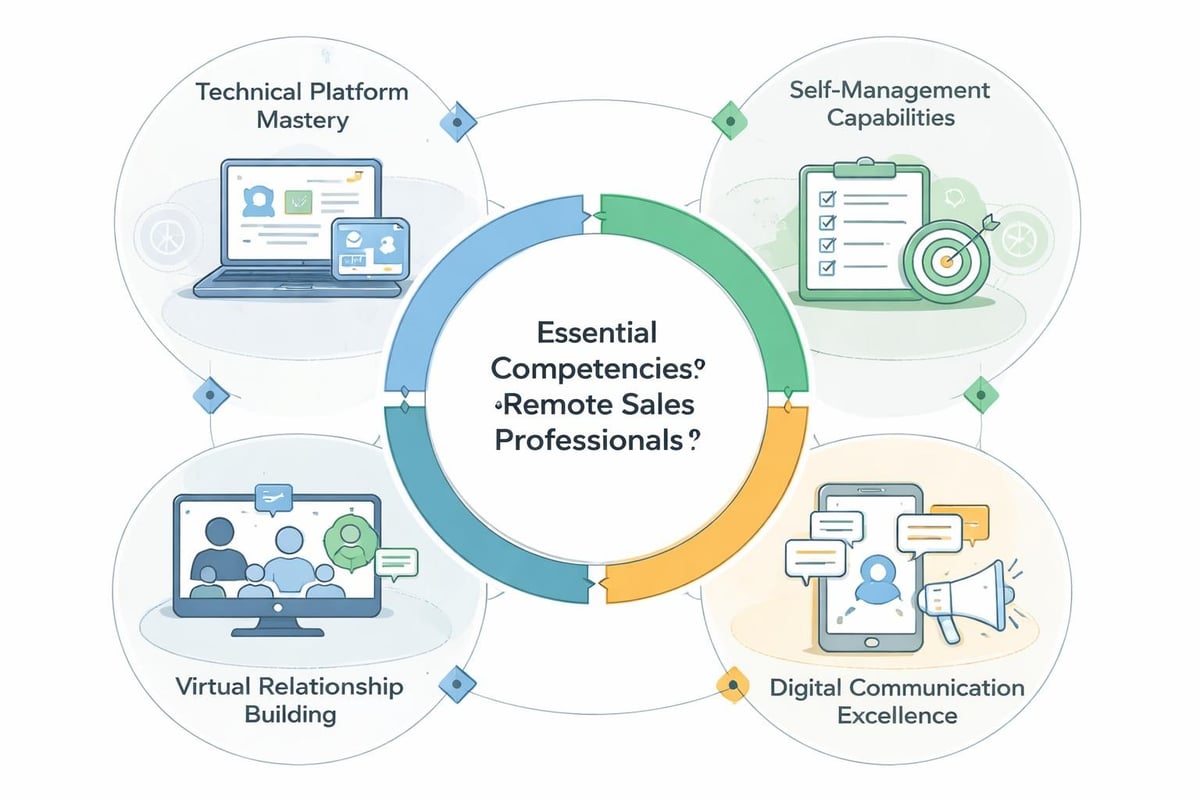
Remote sales success requires a distinct skill set beyond traditional sales capabilities:
Self-discipline and time management to maintain productivity without direct supervision
Technical proficiency with CRM systems, video conferencing platforms, and digital presentation tools
Written communication excellence for email outreach and follow-up sequences
Adaptability to work across time zones and with diverse digital tools
Results orientation with the ability to self-motivate and track personal metrics
According to research from Sales Lion, 67% of sales managers find managing remote teams more challenging than expected, highlighting the importance of hiring individuals who can thrive with minimal oversight.
Building Your Remote Sales Team Structure
Constructing an effective remote sales operation requires careful consideration of team composition and role specialization. Most successful high-ticket businesses implement a two-tier approach separating appointment setting from closing functions.
Appointment Setters vs. Closers
Appointment Setters focus exclusively on qualifying leads and scheduling discovery calls with decision-makers. These professionals excel at initial outreach, preliminary qualification, and calendar management. They serve as the first touchpoint for potential clients, ensuring that only qualified prospects reach your closers.
Closers specialize in conducting sales presentations, handling complex objections, and finalizing agreements. These senior sales professionals typically command higher compensation but deliver significantly higher conversion rates on qualified opportunities.
Role | Primary Focus | Key Metrics | Typical Structure |
|---|---|---|---|
Appointment Setter | Lead qualification, scheduling | Appointments booked, show rate | High volume, lower commission |
Closer | Presentations, negotiations | Close rate, deal size | Lower volume, higher commission |
Hybrid | Full sales cycle | Pipeline value, closed revenue | Medium volume, blended compensation |
When building your team through specialized pre-vetted sales talent, consider your current sales volume and complexity. Businesses with high lead flow benefit from specialized roles, while those with moderate volume may start with hybrid remote salesperson positions.
The Recruitment and Vetting Process
Finding qualified remote sales professionals demands a rigorous evaluation process. Traditional hiring approaches often fail to identify candidates who can excel in virtual environments, making specialized vetting essential.
Essential Evaluation Criteria
Successful remote salesperson recruitment should assess multiple dimensions beyond resume credentials:
Sales track record verification through reference checks and performance documentation
Communication assessment via recorded video presentations and written exercises
Technical evaluation testing proficiency with relevant sales tools and platforms
Cultural alignment ensuring values match your business approach and customer base
Self-management capability through behavioral interview questions and scenario testing
Companies specializing in sales recruitment implement comprehensive vetting processes that evaluate these dimensions systematically, reducing hiring mistakes and accelerating time-to-productivity.
Red Flags to Avoid
During the recruitment process, watch for warning signs that indicate potential performance issues:
Inconsistent employment history with frequent job changes
Inability to provide specific performance metrics from previous roles
Poor responsiveness during the interview process
Technical difficulties during video interviews without proactive problem-solving
Resistance to performance-based compensation structures
The investment in thorough vetting pays substantial dividends through reduced turnover and faster ramp times. According to managing remote sales teams best practices, clear hiring standards directly correlate with long-term team performance.
Onboarding Remote Sales Talent Effectively
A structured onboarding program determines whether your remote salesperson succeeds or struggles. Unlike office-based employees who can shadow colleagues and absorb culture organically, remote professionals require deliberate knowledge transfer and integration.
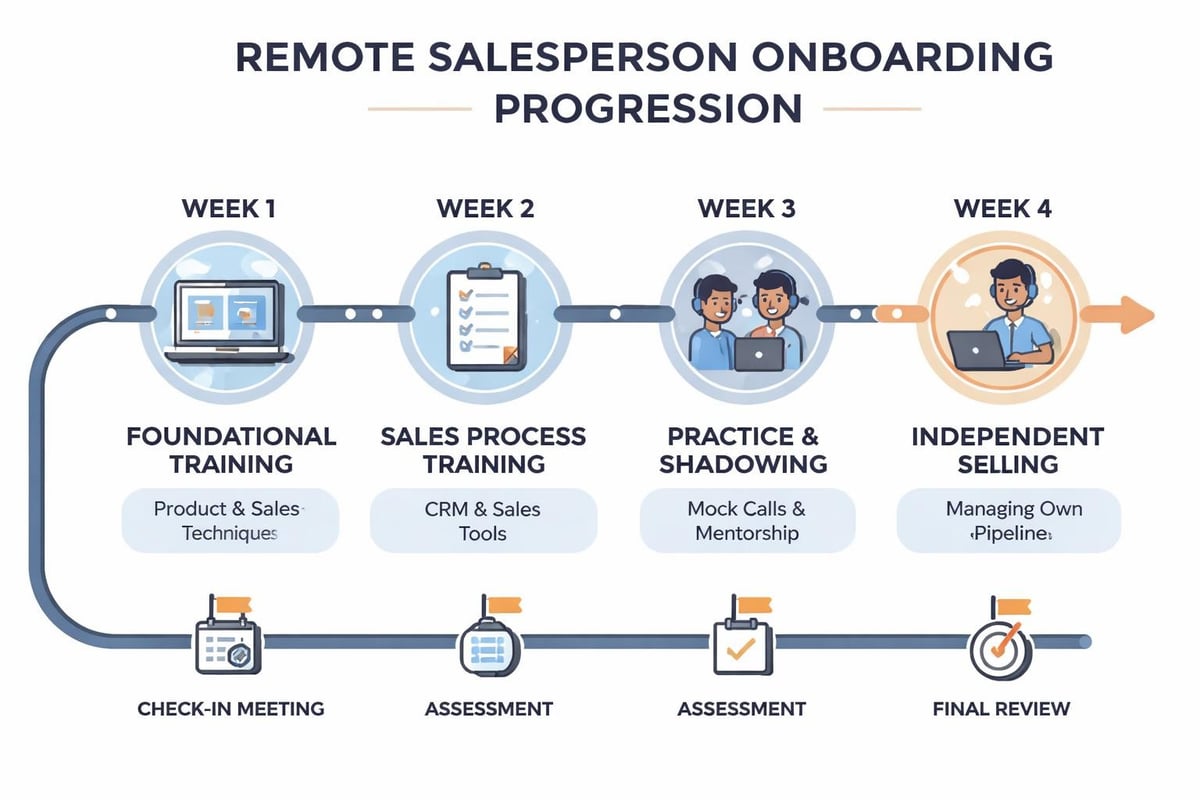
Week-by-Week Onboarding Framework
Week 1: Foundation Building
Company mission, values, and product/service deep dive
CRM and sales tool training with hands-on practice
Sales process documentation review
Mock presentations with feedback
Week 2: Skill Development
Objection handling training using real scenarios
Call recording review and analysis
Script familiarization (without rigid memorization)
Customer avatar and ideal client profile study
Week 3: Supervised Practice
Shadowing experienced team members on live calls
Conducting calls with manager observation
Progressive responsibility increase
Performance metric baseline establishment
Week 4: Independent Operation
Full autonomy with scheduled check-ins
Performance tracking against benchmarks
Course correction and coaching as needed
Integration into regular team rhythms
Businesses that compress onboarding or skip essential steps typically experience extended ramp periods and higher turnover. For high-ticket sales roles, the complexity demands thorough preparation before live client interaction.
Managing and Motivating Your Remote Sales Team
Effective management of remote sales professionals requires different approaches than traditional in-office supervision. The absence of physical presence necessitates intentional communication structures and performance visibility.
Communication Cadence and Tools
Establishing regular touchpoints prevents isolation while maintaining accountability:
Daily stand-ups (15 minutes) for priority sharing and quick wins
Weekly one-on-ones (30-45 minutes) for coaching and obstacle removal
Monthly performance reviews for metric analysis and goal setting
Quarterly strategic sessions for compensation adjustments and career development
Research on remote sales team management emphasizes that consistent communication prevents many common challenges including misalignment and disengagement.
The right technology stack enables seamless collaboration:
CRM platforms for pipeline visibility and activity tracking
Video conferencing for face-to-face interaction and presentations
Project management tools for task coordination and documentation
Call recording software for coaching and quality assurance
Messaging platforms for real-time communication and team culture
Performance Metrics That Matter
Tracking the right metrics ensures your remote salesperson stays focused on revenue-generating activities. Avoid vanity metrics that measure activity without outcomes.
Leading Indicators:
Qualified conversations per week
Appointments scheduled and show rates
Pipeline value created
Follow-up completion rates
Lagging Indicators:
Close rate percentage
Average deal size
Sales cycle length
Customer acquisition cost
Effective managers balance these metric categories, using leading indicators for daily coaching while evaluating lagging indicators for overall performance trends. The combination provides early warning signals when issues emerge while confirming long-term success patterns.
Compensation Structures for Remote Sales Professionals
Designing competitive compensation plans attracts top talent while aligning incentives with business objectives. Most high-ticket businesses utilize performance-based models that reward results over activity.
Common Compensation Models
Model | Base Salary | Commission | Best For | Considerations |
|---|---|---|---|---|
High Base + Low Commission | 70-80% base | 20-30% variable | Long sales cycles, complex products | Lower risk for sellers, higher fixed costs |
Balanced | 50-60% base | 40-50% variable | Moderate cycle length | Standard industry approach |
Low Base + High Commission | 20-40% base | 60-80% variable | Short sales cycles, high volume | Attracts top performers, higher turnover risk |
100% Commission | No base | 100% variable | Independent contractors | Maximum motivation, difficult recruiting |
When structuring your commission structure, consider your sales cycle length and target customer profile. High-ticket offerings with 30-90 day cycles typically require meaningful base compensation to sustain seller confidence during pipeline building.
Bonus and Incentive Programs
Beyond base compensation and commission, strategic incentive programs drive specific behaviors:
Monthly accelerators for exceeding quota thresholds
Quarterly bonuses tied to team performance metrics
Annual profit sharing for tenure and cultural contribution
SPIFFs (Special Performance Incentives) for strategic objectives like new market penetration
These additional elements create multiple motivation levers while reinforcing desired activities and outcomes.
Training and Continuous Development
Elite remote salesperson performance requires ongoing skill development beyond initial onboarding. The virtual sales environment evolves rapidly, demanding continuous adaptation and learning.
Coaching Best Practices for Remote Teams
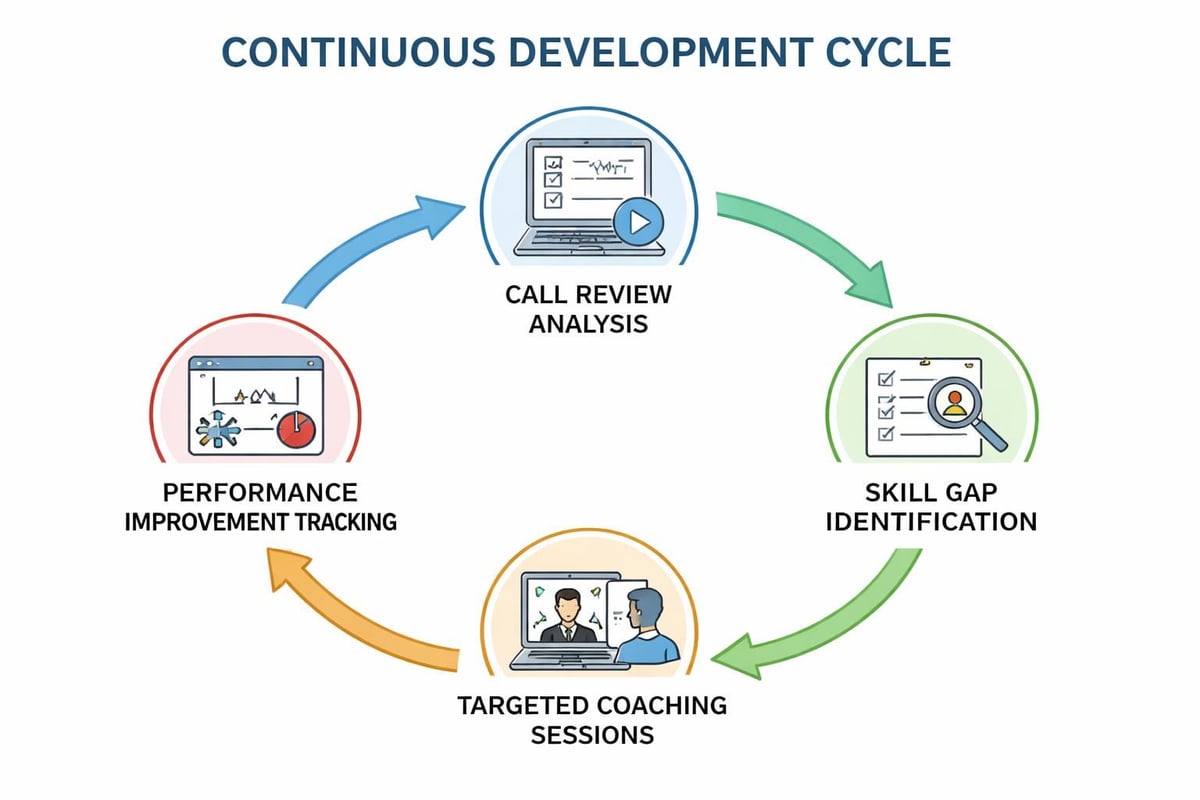
According to remote sales coaching research, the most effective programs incorporate these seven elements:
Use actual call recordings as primary coaching material rather than theoretical scenarios
Build coaching into weekly rhythms rather than sporadic interventions
Focus on one or two improvement areas per session to prevent overwhelm
Provide specific, actionable feedback with clear implementation steps
Celebrate wins and progress to maintain motivation
Encourage peer-to-peer learning through call reviews and shadowing
Track improvement metrics to demonstrate progress over time
Regular skill development sessions should address both tactical execution and strategic thinking. Topics might include advanced objection handling, consultative questioning techniques, negotiation strategies, and industry-specific knowledge that differentiates your offering.
Technology and Tool Mastery
Remote sales professionals must maintain proficiency with evolving platforms and capabilities. Schedule quarterly training on:
CRM system updates and advanced features
New video conferencing capabilities and engagement tools
Emerging communication platforms your prospects use
Presentation software and screen sharing optimization
Data analytics and reporting for self-improvement
Investing in your team's technical capabilities directly translates to more professional client interactions and higher conversion rates.
Overcoming Common Remote Sales Challenges
Even well-structured remote sales operations encounter predictable obstacles. Proactive planning and rapid response minimize disruption and maintain performance.
Isolation and Disconnection
Remote sales professionals often experience loneliness and detachment from company culture. Combat this through:
Regular video-based team meetings beyond performance discussions
Virtual social events and informal connection opportunities
Peer mentorship programs pairing experienced and newer team members
Clear career progression paths demonstrating long-term opportunity
Recognition programs celebrating achievements publicly
According to virtual selling best practices, maintaining engagement represents one of the primary challenges for distributed teams.
Communication Gaps and Misalignment
Without daily in-person interaction, misunderstandings and strategic drift occur more frequently. Address this through:
Documented processes and playbooks accessible to all team members
Regular all-hands meetings communicating company direction and priorities
Transparent goal sharing so everyone understands individual and team objectives
Open-door policies encouraging questions and clarification requests
Written communication standards ensuring consistent messaging
Research on remote sales leadership challenges indicates that communication gaps directly impact team cohesion and decision-making speed.
Performance Accountability
Maintaining standards without physical supervision requires clear expectations and consistent measurement. Implement:
Activity minimums defining acceptable daily/weekly performance floors
Pipeline health checks ensuring adequate opportunity volume at each stage
Quality assurance reviews evaluating call recordings for adherence to best practices
Performance improvement plans with specific milestones for underperformers
Celebration rituals recognizing top performers and key wins
The combination of clear standards, transparent measurement, and fair enforcement creates accountability while maintaining trust and morale.
Technology Stack Essentials
Equipping your remote salesperson with the right tools enables peak performance and professional client experiences. Strategic technology investments pay returns through efficiency gains and higher conversion rates.
Core Platform Requirements
Every remote sales operation requires these foundational systems:
Customer Relationship Management (CRM) Centralized customer data, interaction history, pipeline tracking, and forecasting capabilities. Choose platforms with mobile access, automation features, and robust reporting.
Video Conferencing Professional-grade video platforms with screen sharing, recording capabilities, and virtual backgrounds. Reliability and ease of use for clients matter more than feature abundance.
Communication Platforms Real-time messaging for team coordination, file sharing for collaboration, and integration with other tools in your stack.
Call Recording and Analysis Capability to record, transcribe, and review sales conversations for coaching, quality assurance, and legal protection.
Proposal and Contract Management Digital document creation, e-signature collection, and version control for professional proposal delivery and rapid deal finalization.
Additional tools like scheduling automation, email sequencing platforms, and LinkedIn outreach capabilities enhance productivity but should be added strategically based on specific workflow needs.
Building Culture Across Distance
Strong organizational culture doesn't happen accidentally in remote environments. Intentional culture building differentiates high-performing teams from mediocre ones.
Values and Behavioral Standards
Define and communicate explicit values that guide decision-making and interaction:
Customer obsession prioritizing client outcomes over easy closes
Continuous improvement embracing feedback and skill development
Collaboration supporting teammates and sharing knowledge freely
Integrity maintaining honesty even when inconvenient
Excellence pursuing exceptional results rather than acceptable performance
These values should inform hiring decisions, coaching conversations, recognition programs, and termination choices. Consistency between stated values and actual behavior determines cultural strength.
Remote-Specific Culture Elements
Virtual teams benefit from unique traditions and practices:
Monthly virtual celebrations for birthdays, work anniversaries, and major wins
Quarterly in-person gatherings (when geographically feasible) for relationship building
Slack channels or message groups for non-work interaction and personality sharing
Company swag and branded materials creating physical connection to the team
Professional development stipends demonstrating investment in individual growth
According to effective remote sales team management guidance, investing in communication tools and regular team meetings maintains alignment and engagement across distributed teams.
Scaling Your Remote Sales Operation
As your business grows, scaling your remote sales function requires systematic approaches that maintain quality while increasing volume.
When to Expand Team Size
Add additional remote salesperson capacity when you observe:
Consistent lead overflow with qualified opportunities going uncontacted
Existing team members at capacity with no bandwidth for new prospects
New market opportunities requiring dedicated focus
Geographic expansion necessitating timezone coverage
Product launches demanding specialized expertise
Premature scaling creates unnecessary cost burden, while delayed scaling leaves revenue on the table. Monitor pipeline metrics and conversion rates to identify optimal expansion timing.
Maintaining Quality During Growth
Rapid team expansion often dilutes culture and performance standards. Protect quality through:
Standardized onboarding programs ensuring consistent training regardless of start date
Mentorship assignments pairing new hires with proven performers
Progressive responsibility starting new team members with smaller accounts or simpler products
Regular calibration sessions aligning the team on qualification standards and sales approach
Documentation culture capturing and sharing best practices systematically
Companies that successfully scale remote sales operations prioritize systems and processes over individual heroics, creating repeatable frameworks that new team members can follow.
Legal and Compliance Considerations
Operating with remote sales professionals introduces specific legal requirements and risk management needs.
Employment Classification
Properly classify your remote salesperson as either employee or independent contractor based on IRS guidelines. Misclassification triggers penalties and back-tax liability.
Employee indicators:
Company provides equipment and tools
Set work hours or location requirements
Integration into company operations and systems
Ongoing relationship without project-end date
Contractor indicators:
Uses own equipment and bears business expenses
Controls how and when work gets completed
Works with multiple clients simultaneously
Project-based relationship with defined endpoints
Consult employment counsel when determining classification, as consequences of errors prove costly.
Data Security and Privacy
Remote work environments increase data breach risks. Implement:
Secure VPN requirements for CRM and system access
Multi-factor authentication on all platforms containing customer data
Clear policies prohibiting customer data storage on personal devices
Regular security training and phishing simulation tests
Incident response procedures for suspected breaches
High-ticket businesses often work with sensitive client information, making security protocols essential for reputation protection and regulatory compliance.
Building a successful remote sales operation requires strategic hiring, structured management, and continuous optimization. The right remote salesperson can dramatically accelerate growth for high-ticket businesses selling through virtual channels, while poor hiring decisions waste resources and damage client relationships. By implementing comprehensive vetting processes, effective onboarding programs, and performance-driven management systems, you create sustainable competitive advantages in an increasingly digital marketplace. Sales Match specializes in connecting high-ticket businesses with pre-vetted appointment setters and closers who excel in remote environments, eliminating lengthy hiring processes and accelerating your path to building world-class virtual sales teams.