
Setter Closer Model: Building High-Ticket Sales Teams
Discover how the setter closer model maximizes high-ticket sales efficiency through specialized roles, proven strategies, and optimized team structures.
published
The sales landscape for high-ticket products and services has evolved significantly over the past decade, demanding more sophisticated approaches to converting qualified prospects. For businesses selling offerings above $2,500 through virtual channels like Zoom or Google Meet, the traditional one-person sales approach often fails to maximize conversion potential. This is where the strategic division of labor between two specialized roles transforms sales performance and revenue outcomes.
Understanding the Setter Closer Framework
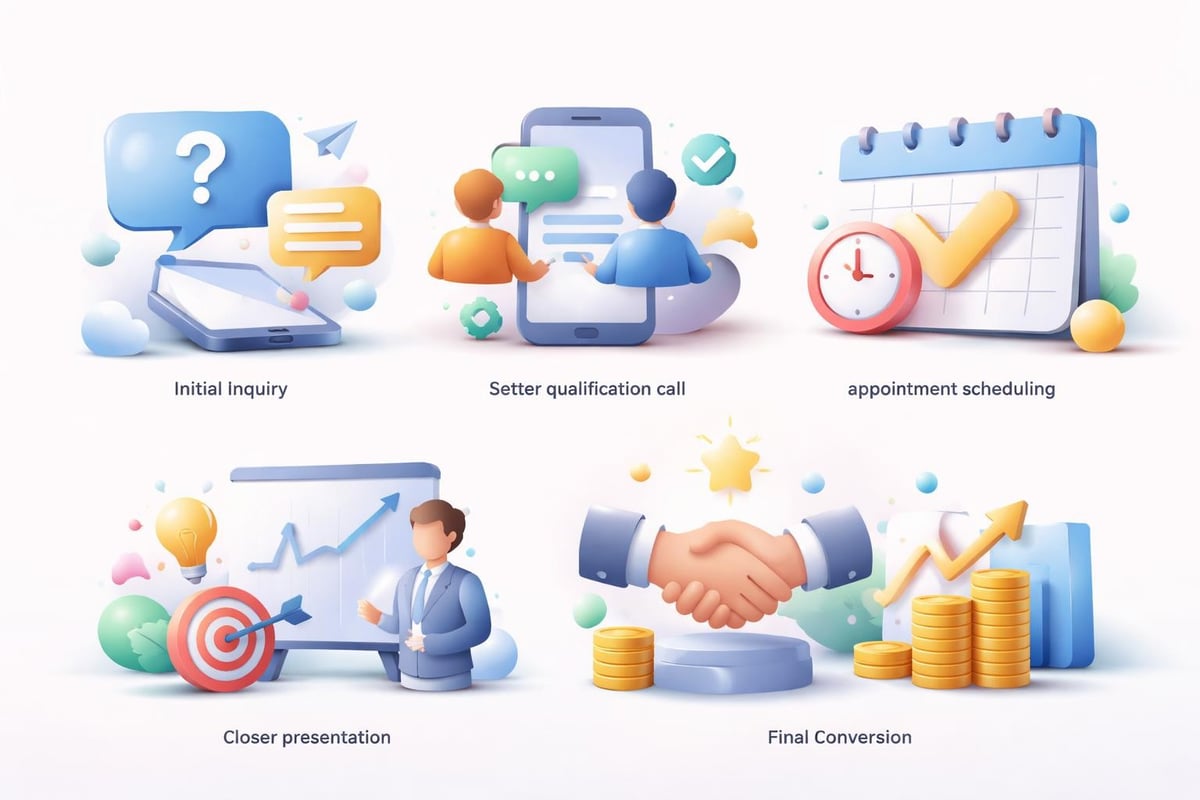
The setter closer model represents a specialized approach where sales responsibilities are divided between two distinct positions, each with specific expertise and objectives. This division allows sales organizations to leverage specialized skill sets while creating a more efficient path from initial contact to closed deal.
An appointment setter focuses exclusively on the front end of the sales process. Their primary responsibility involves qualifying inbound leads, conducting initial discovery conversations, and scheduling meetings with prospects who meet specific criteria. This role requires exceptional communication skills, the ability to ask probing questions, and the discipline to follow a qualification framework consistently.
Key responsibilities of appointment setters include:
Responding promptly to inbound inquiries from marketing campaigns
Conducting brief qualification calls to assess prospect fit
Identifying budget, authority, need, and timeline factors
Scheduling appointments with qualified prospects for closers
Maintaining accurate CRM records and prospect notes
The closer role, conversely, specializes in conducting detailed presentations, handling objections, and securing commitments from pre-qualified prospects. Closers in high-ticket sales bring deep product knowledge, negotiation expertise, and the ability to build trust during longer sales conversations that can span 60-90 minutes or more.
Why High-Ticket Businesses Adopt This Model
The economics of high-ticket sales make the setter closer approach particularly compelling for businesses selling premium products or services. When average transaction values exceed $2,500, investing in specialized talent for each phase of the sales cycle yields measurable returns through improved conversion rates and higher deal volumes.
According to sales performance research, role specialization in sales teams can increase overall productivity by 20-30% compared to generalist approaches. This improvement stems from allowing professionals to develop deep expertise in their specific domain rather than splitting attention across multiple competencies.
Marketing agencies, business consultants, and service-based companies that operate remotely have embraced this framework because it aligns perfectly with their sales environment. Virtual sales conversations through video conferencing platforms benefit from having a streamlined initial touchpoint (the setter) followed by a comprehensive presentation from an expert closer.
Setter Characteristics | Closer Characteristics |
|---|---|
Quick qualification conversations | Extended presentation capabilities |
High volume of daily interactions | Fewer, more detailed conversations |
Script adherence and consistency | Adaptive selling approach |
Entry to mid-level compensation | Higher compensation with commission |
Focus on booking qualified meetings | Focus on revenue conversion |
Building Your Setter Team
Recruiting effective appointment setters requires identifying candidates with specific personality traits and capabilities that differ from traditional sales profiles. The ideal setter demonstrates consistency, coachability, and communication clarity rather than aggressive closing tendencies.
When building this function within your organization, hiring a sales team starts with defining clear qualification criteria that setters must follow. This framework ensures only genuinely qualified prospects reach your closers, protecting their time and maintaining high conversion rates.
Essential Skills for Appointment Setters
Active listening capabilities to understand prospect situations quickly
Adherence to scripts and frameworks while maintaining conversational tone
Time management to handle high volumes of outreach efficiently
Resilience to manage rejection without diminished performance
CRM proficiency for accurate record-keeping and follow-up
The vetting process for setters should emphasize their ability to follow processes while identifying red flags during qualification conversations. Pre-vetted sales talent reduces the risk of hiring individuals who lack the discipline required for this specialized role.
Many businesses discover that effective setters don't necessarily need prior sales experience. Instead, backgrounds in customer service, hospitality, or administrative roles often produce excellent candidates who excel at creating positive first impressions and gathering information systematically.
Training programs for setters should focus on product knowledge sufficient for qualification, objection prevention techniques, and calendar management protocols. Unlike closers, setters need breadth of knowledge rather than depth, allowing them to identify fit and interest without conducting full demonstrations.
Developing High-Performance Closers
The closer position demands significantly different capabilities and compensation structures than the setter role. Remote sales closers in high-ticket environments must combine product expertise, consultative selling skills, and the emotional intelligence to navigate complex buying decisions.
Research from sales performance studies indicates that top-performing closers share common traits: they ask more questions than average performers, they customize presentations based on discovery insights, and they demonstrate patience during extended sales cycles. For products or services priced above $5,000, the ability to build trust over multiple touchpoints becomes critical.
Closer development priorities include:
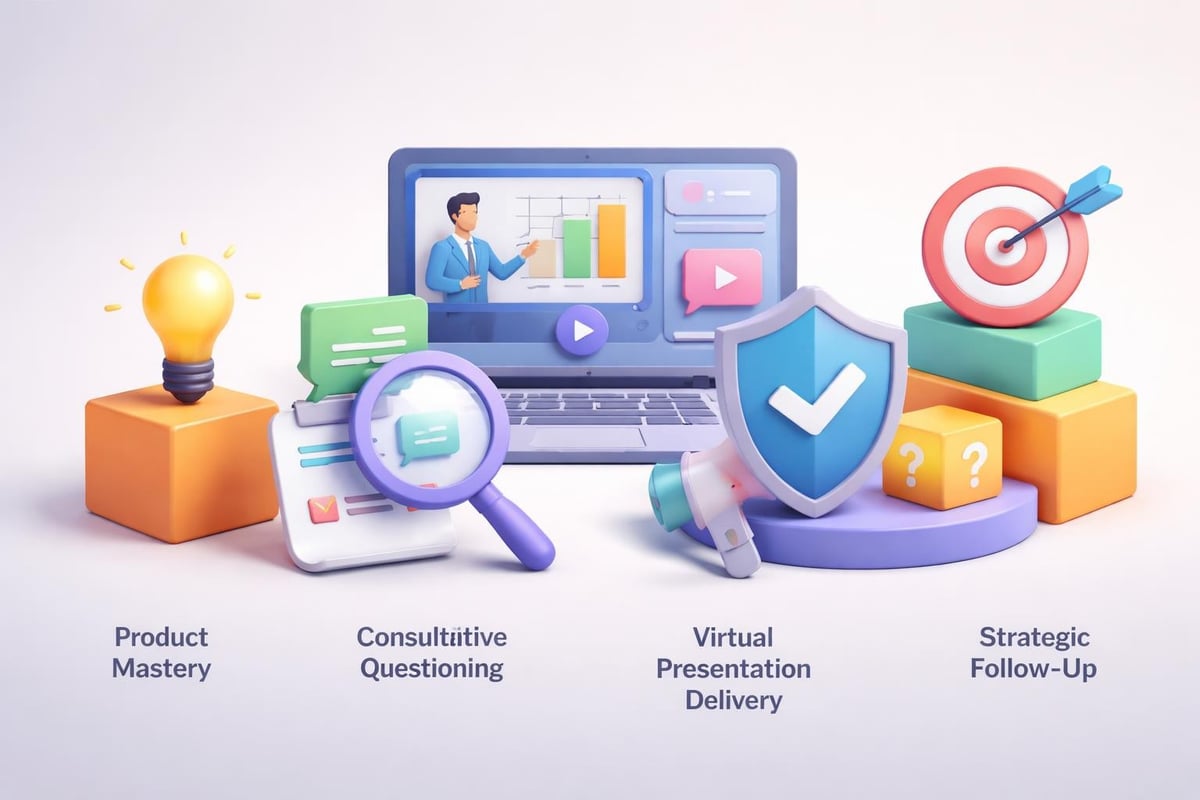
Deep product and industry knowledge to address technical questions
Objection handling frameworks for common resistance patterns
Presentation skills that engage prospects through virtual platforms
Negotiation techniques that preserve margin while securing commitment
Follow-up discipline for prospects requiring multiple conversations
The commission structure for closers typically involves higher base compensation than setters plus significant performance incentives tied to closed revenue. This alignment ensures closers remain motivated to convert qualified opportunities rather than cherry-picking only the easiest prospects.
Optimizing the Handoff Process
The transition from setter to closer represents a critical moment in the prospect journey. Poor handoffs create confusion, damage trust, and reduce conversion probability. Understanding the synergy between these roles requires establishing clear protocols for information transfer and appointment preparation.
Best practices for handoffs include detailed notes in the CRM about prospect situation, specific pain points mentioned, budget indicators, and any concerns raised during qualification. Closers should review these notes before every scheduled appointment, allowing them to personalize their approach from the first moment of contact.
Some organizations implement brief pre-appointment check-ins where setters verbally brief closers on nuanced aspects of each prospect. This 2-3 minute conversation ensures nothing gets lost in written documentation and allows closers to ask clarifying questions before the presentation begins.
Implementing the Model in Your Organization
Transitioning to a setter closer structure requires careful planning, particularly for businesses currently using generalist sales representatives. The change impacts compensation plans, training programs, technology requirements, and team culture in ways that demand thoughtful management.
Phased Implementation Approach
Implementation Phase | Duration | Key Activities |
|---|---|---|
Assessment | 2-4 weeks | Analyze current sales process, identify bottlenecks, define role specifications |
Recruitment | 4-8 weeks | Source and hire specialized talent for both positions |
Training | 3-6 weeks | Develop role-specific training, establish processes, create scripts |
Pilot Program | 8-12 weeks | Test model with limited team, gather performance data, refine approach |
Full Rollout | Ongoing | Scale successful processes, optimize based on metrics, continuous improvement |
Beginning with a pilot team allows you to test the model's effectiveness for your specific market and product without disrupting existing revenue generation. This approach also provides proof of concept that helps gain buy-in from stakeholders who may be skeptical of changing established systems.
The dynamic duo behind high-performance sales teams requires alignment on metrics, compensation, and collaboration expectations from the outset. Setters should be measured primarily on qualified appointments scheduled and show rates, while closers focus on conversion percentages and revenue generated.
Technology infrastructure must support the model through CRM systems that clearly track lead stages, appointment scheduling tools that reduce coordination friction, and communication platforms that enable seamless information sharing between team members. Integration between these systems prevents data loss and ensures accountability.
Compensation and Motivation Strategies
Financial incentives drive behavior in sales organizations, making compensation structure design critical for setter closer model success. The compensation approach must reward both roles appropriately while encouraging collaboration rather than competition between team members.
For appointment setters, common compensation models include:
Base salary plus per-appointment bonuses for qualified meetings
Tiered commission based on monthly appointment volumes
Small revenue overrides when their appointments convert to sales
Quality bonuses tied to show rates and closer feedback
Closer compensation typically involves higher base salaries reflecting their expertise level, combined with significant commission percentages on closed revenue. Many organizations use 5-10% commission rates for closers in high-ticket environments, with accelerators at higher production levels.
Revenue sharing considerations should address:
How credit splits when multiple team members touch an opportunity
Whether setters receive ongoing credit for appointments that close
How compensation adjusts for deals closed after extended sales cycles
Recognition programs for non-financial motivation factors
The appointment setter role often serves as a career pathway to the closer position, creating internal promotion opportunities that reduce recruitment costs and retain institutional knowledge. Establishing clear advancement criteria helps ambitious setters understand what skills they need to develop for promotion consideration.

Measuring Success and Optimization
Performance measurement in a setter closer framework requires tracking metrics for individual roles plus overall system effectiveness. This comprehensive approach reveals both individual performance issues and structural problems that impact conversion rates.
Critical Metrics by Role
Setter Performance Indicators:
Number of qualification calls completed daily
Percentage of contacts that qualify for appointments
Appointment show rate (prospects who attend scheduled meetings)
Quality score based on closer feedback
Response time to new inbound inquiries
Closer Performance Indicators:
Conversion rate from appointment to closed sale
Average deal size and total revenue generated
Sales cycle length from first appointment to close
Win rate against identified competitors
Customer acquisition cost relative to lifetime value
System-level metrics examine the entire pipeline to identify optimization opportunities. If appointment show rates fall below 70%, the setter qualification process may be too loose or appointment confirmation protocols need strengthening. If closer conversion rates lag expectations despite high-quality appointments, presentation effectiveness or pricing strategy may require adjustment.
Regular performance reviews should celebrate successes while addressing underperformance through coaching, additional training, or in some cases, replacement with better-fit talent. High-performing sales organizations maintain accountability standards that ensure every team member contributes to revenue objectives.
Scaling Challenges and Solutions
As organizations grow their setter closer teams, new challenges emerge around maintaining quality, ensuring consistent messaging, and preserving the collaborative culture that drives success. How this dynamic sales model maximizes conversions at scale requires systems thinking and leadership investment.
Team size expansion must balance capacity with quality. Adding setters increases appointment volume, but this additional flow only generates value if closer capacity expands proportionally. A common ratio maintains 2-3 setters for every closer, though exact ratios depend on qualification conversion rates and average sales cycle length.
Quality assurance programs become essential as teams grow beyond 10-15 people. Call recording and review, regular coaching sessions, and peer learning opportunities prevent skill degradation and ensure adherence to proven frameworks. Some organizations designate senior team members as mentors who provide ongoing support to newer hires.
Cultural cohesion requires intentional effort when setters and closers work remotely across different time zones. Regular team meetings, shared wins celebrations, and cross-functional training sessions help both roles appreciate each other's contributions and maintain collaborative rather than adversarial relationships.
Common Pitfalls to Avoid
Organizations implementing the setter closer model frequently encounter predictable challenges that can be prevented through awareness and proactive planning. Understanding these common mistakes helps businesses avoid costly learning experiences.
Inadequate setter training represents the most frequent implementation failure. When setters lack clear qualification criteria or product knowledge, they schedule appointments with unqualified prospects. This wastes closer time, damages conversion metrics, and creates team friction. Investing in comprehensive setter training programs pays dividends through higher-quality pipeline flow.
Misaligned incentives create situations where setters prioritize appointment quantity over quality, or closers become selective about which appointments they take seriously. Compensation structures must reward behaviors that benefit overall system performance rather than optimizing individual metrics at the expense of team success.
Poor CRM discipline undermines the information transfer between roles. When setters fail to document prospect details thoroughly, closers enter appointments unprepared. Establishing mandatory fields, regular data quality audits, and accountability for CRM hygiene prevents this issue from compromising performance.
Unclear role boundaries cause confusion about responsibilities when prospects fall outside standard qualification criteria or when follow-up is needed after initial closer contact. Documented processes that address edge cases and exceptional situations ensure team members know how to handle non-standard scenarios appropriately.
Technology Stack Requirements
Supporting a setter closer model effectively requires integrated technology that streamlines workflows, maintains data integrity, and provides visibility into pipeline performance. Remote high-ticket sales operations particularly depend on robust technology infrastructure given the distributed nature of virtual teams.
Core technology requirements include:
Customer Relationship Management (CRM) platform with custom fields for qualification data, appointment scheduling integration, and automated task creation for follow-up activities
Video conferencing software that provides professional presentation capabilities, screen sharing, recording features, and reliable performance across various internet connections
Scheduling automation tools that eliminate back-and-forth coordination while respecting closer calendar availability and prospect time zone preferences
Communication platforms for internal team coordination, quick questions, and collaborative problem-solving without email overhead
Analytics dashboards that visualize key metrics, identify trends, and enable data-driven decision making about process improvements
Integration between these systems prevents manual data entry, reduces errors, and ensures all team members access current information about prospect status and history. Many organizations discover that initial technology investment pays for itself through time savings and improved conversion rates within the first 6-12 months.
Industry-Specific Applications
While the setter closer framework applies broadly across high-ticket sales environments, specific industries benefit from tailored implementations that address unique market dynamics and buyer behaviors. The setter closer model in medium-sized businesses demonstrates particular effectiveness when adapted thoughtfully.
Coaching and consulting businesses often extend sales cycles beyond single appointments, requiring closers who excel at multi-touch nurturing and relationship building. These environments may benefit from hybrid roles where closers also handle some follow-up activities rather than immediately returning prospects to setters after initial presentations.
Marketing agencies selling retainer services typically face longer decision-making processes involving multiple stakeholders. The setter role in these contexts includes gatekeeping functions that ensure appointments involve decision-makers rather than researchers gathering information for others.
Software-as-a-Service companies with annual contracts benefit from setters who can effectively qualify technical requirements during initial conversations. This prevents wasting closer time on prospects whose needs don't align with product capabilities or whose technical environment creates implementation barriers.
Professional services firms may implement a modified approach where setters focus on scheduling discovery sessions rather than full presentations. This allows senior professionals (closers) to conduct needs analysis before proposing solutions, maintaining the expertise positioning critical in professional services sales.
Future Trends and Adaptations
The setter closer model continues evolving as technology capabilities expand and buyer preferences shift. Organizations that remain competitive adapt their implementations to leverage emerging tools while maintaining the core principles of role specialization and optimized workflows.
Automation increasingly handles routine setter tasks like initial qualification questions and appointment scheduling, allowing human setters to focus on relationship building and nuanced qualification that requires emotional intelligence. This evolution elevates the setter role rather than eliminating it, creating opportunities for more sophisticated prospect interactions.
Video messaging tools enable asynchronous communication between setters, prospects, and closers. Setters can send personalized video introductions after scheduling appointments, preparing prospects for productive closer conversations. Closers use video follow-up to reinforce key points and maintain engagement during extended decision processes.
Sales enablement platforms provide closers with dynamic content libraries, real-time competitive intelligence, and presentation tools that adapt based on prospect profile and expressed interests. These resources enhance closer effectiveness without requiring photographic memory of every product detail or market positioning point.
The fundamental value proposition of the setter closer approach remains constant: specialized roles performing focused functions generate superior results compared to generalist approaches. As high-ticket sales environments become more competitive, this specialization advantage grows rather than diminishes in strategic importance.
The setter closer model transforms high-ticket sales performance through strategic role specialization that maximizes both appointment quality and conversion efficiency. For businesses selling premium products or services above $2,500 through virtual channels, implementing this framework with properly recruited and trained talent creates sustainable competitive advantages. Sales Match specializes in recruiting pre-vetted appointment setters and closers who excel in high-ticket remote sales environments, providing businesses with world-class talent without lengthy hiring processes and offering replacement guarantees that eliminate recruiting risk.