Team Members: Building High-Performance Sales Teams in 2026
Discover proven strategies for selecting, managing, and retaining exceptional sales team members who drive revenue growth for high-ticket businesses.
Apr 20, 2026
scheduled
Building a successful high-ticket sales organization depends on one critical factor: the quality and cohesion of your team members. For businesses selling products or services over $2,500 through digital channels, every conversation matters, and every sales professional represents your brand's promise. The difference between scaling rapidly and stagnating often comes down to whether you have the right people in the right roles, working toward unified objectives with clear accountability.
The challenge facing marketing agencies, coaching businesses, and service-based companies isn't just finding talented salespeople. It's assembling a group of professionals who complement each other's strengths, share your vision, and consistently perform at high levels. When you understand what makes exceptional team members valuable and how to build systems that support their success, you create a competitive advantage that's difficult for competitors to replicate.
Defining Excellence in Sales Team Members
Outstanding sales professionals bring more than just closing skills to your organization. They demonstrate emotional intelligence, resilience in the face of rejection, and a genuine commitment to understanding client needs before pitching solutions.
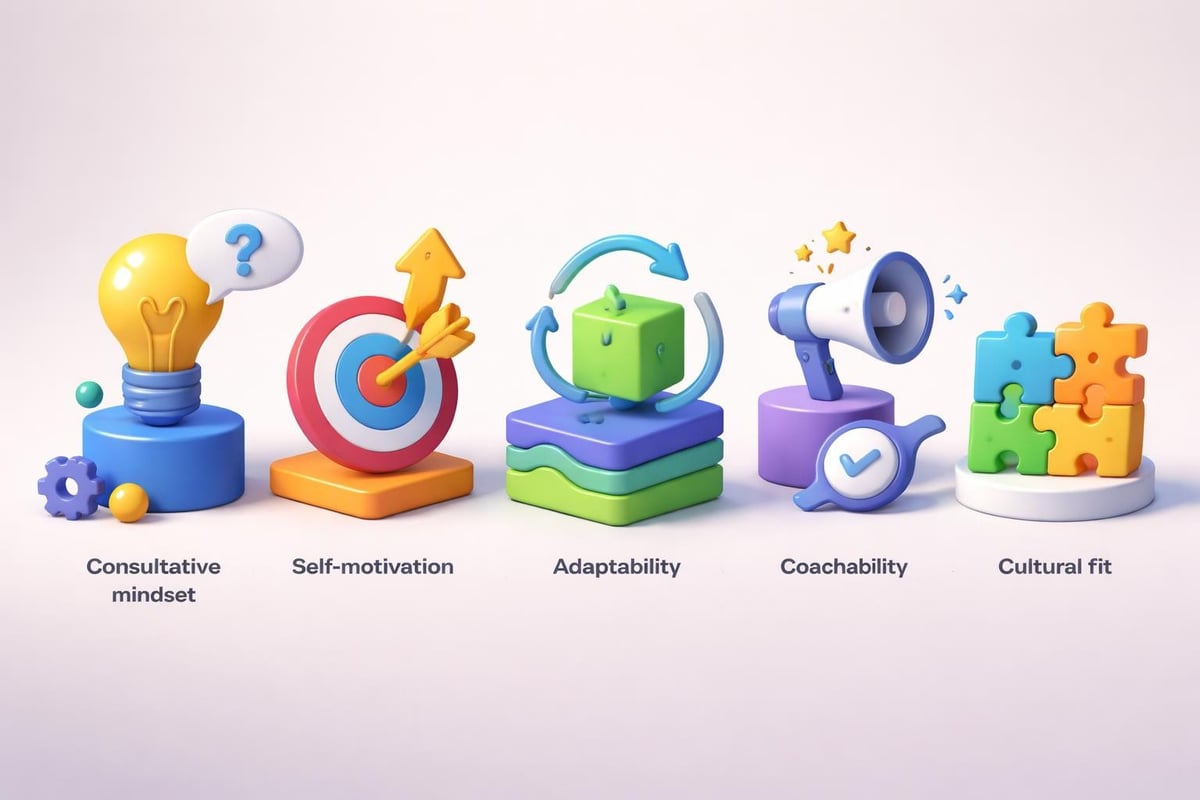
Key characteristics of top-performing team members include:
Consultative selling approach that prioritizes value over pressure
Self-motivation to exceed targets without constant supervision
Adaptability to changing market conditions and product offerings
Coachability that accelerates skill development
Cultural alignment with your company's mission and values
These traits become especially important in high-ticket environments where sales professionals must build trust during extended sales cycles. A single misstep can cost thousands in revenue and damage your brand reputation.
Research published in the Journal of Applied Psychology found that personality traits account for approximately 15% of variance in sales performance, with conscientiousness and emotional stability being particularly predictive. This underscores why thorough vetting processes matter when building your team.
The Cost of Misaligned Team Members
Hiring the wrong person doesn't just waste recruitment dollars. Poor performers create ripple effects throughout your organization, from demotivated colleagues to damaged client relationships. For businesses operating on Zoom or Google Meet, where every interaction is your storefront, subpar performance is immediately visible to prospects.
The average cost of a bad sales hire can reach 2.5 times their annual salary when you factor in lost productivity, training investments, and opportunity costs. Even more concerning is the impact on team morale when underperformers aren't addressed quickly.
This is precisely why many growing companies are turning to specialized recruitment partners who understand the nuances of high-ticket sales. Rather than cycling through multiple candidates and enduring lengthy hiring processes, they access pre-vetted talent that's ready to contribute immediately.
Building a Structured Hiring Framework
Successful team building starts long before you post a job description. It requires a systematic approach that identifies exactly what skills, experiences, and qualities your organization needs at each stage of growth.
Assessing Your Current Team Composition
Begin by analyzing your existing team members' strengths and gaps. Create a skills matrix that maps each person's capabilities against your ideal team structure.
Team Member | Closing Skills | Product Knowledge | Lead Nurturing | Account Management |
|---|---|---|---|---|
Member A | Advanced | Intermediate | Basic | Advanced |
Member B | Intermediate | Advanced | Advanced | Basic |
Member C | Advanced | Basic | Intermediate | Intermediate |
This visualization reveals where you need to recruit complementary talents rather than duplicating existing skill sets. According to best practices for team leadership, clarity around roles and responsibilities forms the foundation of high-performing teams.
Creating Role-Specific Requirements
Generic job postings attract generic candidates. Exceptional team members respond to opportunities that clearly articulate expectations, growth paths, and performance metrics.
Your requirements should specify:
Experience level with similar products, price points, and sales cycles
Technical proficiency with your CRM, communication tools, and reporting systems
Performance benchmarks that define success in the first 30, 60, and 90 days
Compensation structure including base, commission, and commission structure details
Cultural expectations around work hours, communication styles, and team collaboration
For remote sales environments, which have become the standard in 2026, you'll also need to assess candidates' ability to thrive without daily in-person supervision. The Center for Creative Leadership's research on managing virtual teams emphasizes that successful remote team members demonstrate exceptional communication skills and self-discipline.
Implementing Effective Vetting Processes
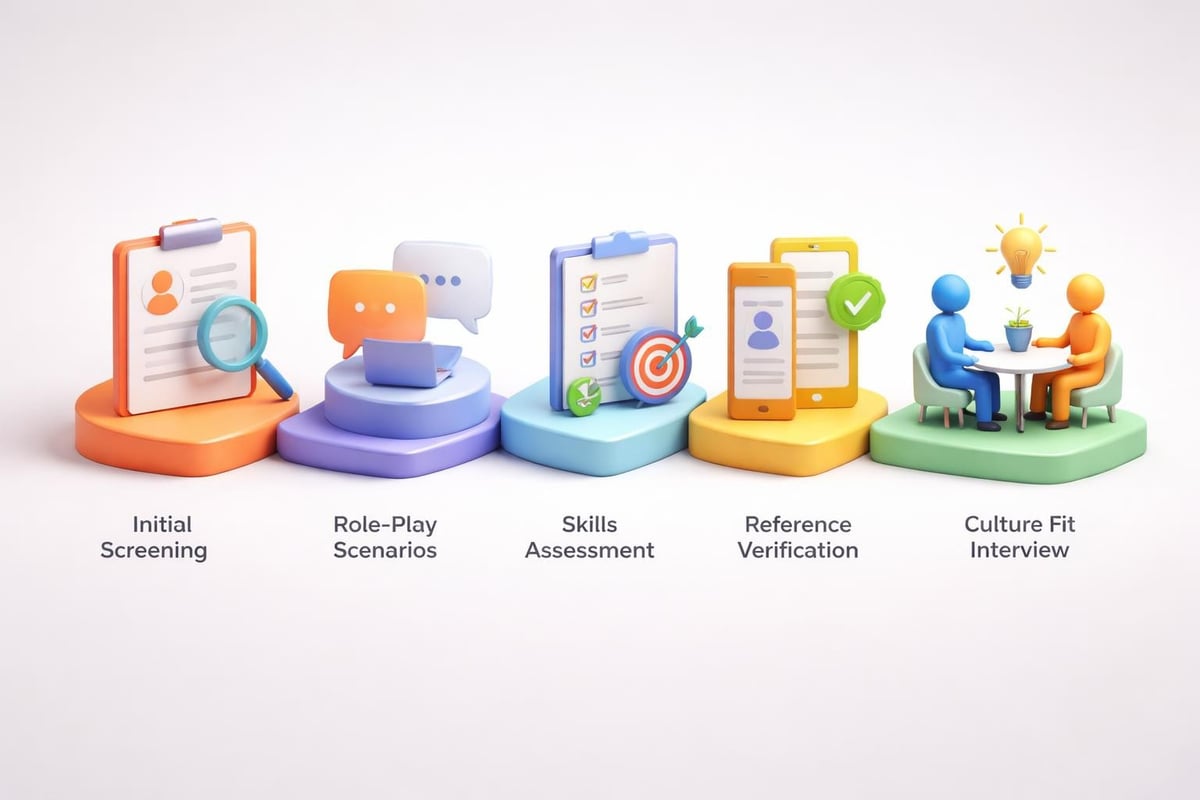
The interview is just one component of a comprehensive evaluation system. Top organizations use multi-stage assessments that reveal how candidates actually perform under realistic conditions.
Role-playing exercises provide invaluable insights into a candidate's sales methodology. Present them with a scenario that mirrors your actual sales process, complete with common objections and competitor comparisons. Their response reveals not just product knowledge, but critical thinking, adaptability, and client-centric orientation.
Reference checks become even more critical when hiring sales team members. Unlike other roles where past performance might not predict future results, sales has quantifiable outcomes. Ask previous employers specific questions about quota attainment, ranking within the team, and response to coaching.
Behavioral Assessments and Skill Testing
Personality assessments like DISC or Predictive Index can illuminate how candidates approach challenges, interact with teammates, and respond to pressure. While these shouldn't be the sole deciding factor, they provide data points that validate or challenge your impressions from interviews.
Many companies also implement vetting process components that test specific competencies through written exercises, presentation delivery, or mock client calls. These assessments should directly mirror the work your team members will perform daily.
Onboarding and Integration Strategies
Your responsibility to new team members doesn't end when they accept the offer. The first 90 days determine whether they'll become long-term contributors or add to your turnover statistics.
Research indicates that employees who experience structured onboarding are 58% more likely to remain with an organization after three years. For sales roles where ramp time directly impacts revenue, frontloading training and support accelerates time-to-productivity.
Effective onboarding includes:
Comprehensive product training with certification milestones
Shadowing experienced team members during actual sales calls
Graduated responsibility that builds confidence before high-stakes opportunities
Regular check-ins to address questions and provide coaching
Clear success metrics with weekly progress reviews
This structured approach benefits both new hires and existing team members. When everyone understands their role in supporting newcomers, you create a culture of collaboration rather than competition.
Creating Learning Pathways
High performers crave continuous development. Organizations that invest in their team members' growth see higher retention rates and better performance outcomes.
According to a study on team development, teams that engage in deliberate practice and structured feedback sessions show measurably better outcomes than those relying solely on experience-based learning. Create monthly training sessions that address skill gaps, introduce new methodologies, and share best practices across your team.
Consider implementing mentorship programs where senior team members guide newer recruits. This knowledge transfer accelerates development while reinforcing best practices among your veterans.
Performance Management and Accountability
Even exceptional team members require clear expectations and consistent feedback to maintain peak performance. Vague goals and sporadic reviews create uncertainty that undermines confidence and motivation.
Establish weekly one-on-one meetings with each team member to review metrics, discuss challenges, and celebrate wins. These conversations should be forward-looking, focusing on skill development and strategic adjustments rather than just reviewing past performance.
Metrics That Matter
What you measure signals what you value. While revenue and conversion rates matter, leading indicators provide earlier warnings about performance trends.
Metric Category | Key Indicators | Review Frequency |
|---|---|---|
Activity | Calls made, meetings booked, proposals sent | Daily |
Effectiveness | Conversion rates by stage, average deal size | Weekly |
Quality | Customer satisfaction scores, referral rate | Monthly |
Development | Skills mastered, certifications earned | Quarterly |
This balanced scorecard approach helps team members understand how their daily activities connect to larger business objectives. It also prevents the tunnel vision that comes from focusing exclusively on closed deals.
The National Center for Biotechnology Information's guidance on team science best practices emphasizes that effective monitoring systems balance quantitative metrics with qualitative feedback to create comprehensive performance pictures.
Retention Strategies for High Performers
Replacing top sales talent costs significantly more than retaining existing team members. Beyond financial expenses, you lose institutional knowledge, client relationships, and team chemistry when someone departs.
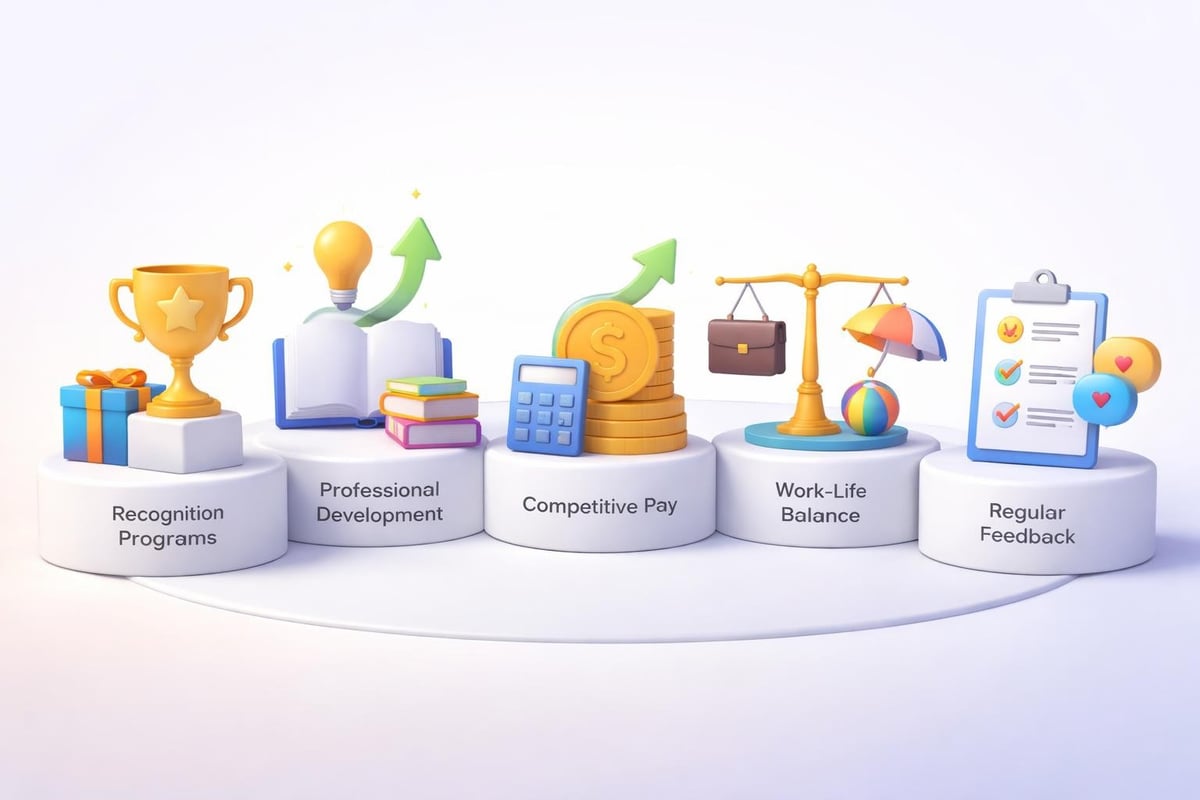
Retention begins with understanding what drives your best performers:
Recognition that acknowledges specific achievements publicly
Autonomy to manage their own schedules and approaches
Growth opportunities including leadership roles and expanded territories
Competitive compensation that rewards excellence appropriately
Work-life balance that prevents burnout
Regular pulse surveys help you monitor team satisfaction before small frustrations become resignation triggers. Ask about workload, leadership support, resource availability, and overall job satisfaction.
Addressing Underperformance
Not every hire works out, regardless of how thorough your selection process. When team members consistently miss targets despite coaching and support, continuing the relationship serves neither party's interests.
Document performance issues clearly and provide specific improvement plans with measurable milestones. If progress doesn't materialize, make decisive changes. Your high performers are watching how you handle underperformance, and delays in addressing problems erode their respect and motivation.
Many organizations now leverage replacement policy guarantees when working with recruitment partners, ensuring that if a hire doesn't work out, they can quickly access qualified alternatives without restarting the entire process.
Fostering Team Cohesion in Remote Environments
With most high-ticket sales now conducted virtually, your team members might never meet face-to-face. This geographical distribution creates collaboration challenges that require intentional solutions.
Schedule regular team meetings that go beyond pipeline reviews. Include skills training, strategy discussions, and informal social time. These touchpoints build relationships that make daily collaboration more natural and effective.
Create shared resources like call recording libraries, objection-handling scripts, and competitive intelligence documents. When team members contribute to and benefit from collective knowledge, you build a culture of mutual support rather than isolated competition.
Communication Protocols
Establish clear expectations around response times, communication channels, and information sharing. Some conversations belong in team channels where everyone learns; others require private discussions.
Regular recognition of team members who help colleagues, share insights, or contribute to company culture reinforces the behaviors you want to see throughout your organization. This is particularly important in commission-based environments where financial incentives might otherwise encourage hoarding of best practices.
Scaling Your Team Strategically
Growth creates excitement, but scaling too quickly with the wrong people causes more problems than maintaining conservative hiring standards. Each new team member changes your organization's dynamics, so additions should be deliberate and strategic.
Before adding headcount, ensure your systems can support expanded teams. Do you have sufficient leads for additional closers? Can your management structure handle more direct reports? Have you documented processes clearly enough that new team members can succeed without constant hands-on guidance?
Pre-scaling checklist:
Pipeline analysis confirming lead volume supports additional salespeople
Management capacity to provide adequate coaching and oversight
Documented playbooks covering all aspects of your sales process
Technology infrastructure that scales without degradation
Compensation plans that remain sustainable at higher team sizes
For many businesses, partnering with specialized recruiters who can hire a sales team efficiently provides faster scaling without the trial-and-error that depletes resources and momentum.
Developing Future Leaders From Within
Your best team members often become tomorrow's managers and executives. Identifying high-potential individuals and preparing them for leadership roles creates succession depth while demonstrating career progression opportunities to your entire team.
Leadership development doesn't happen accidentally. Create formal programs that expose potential managers to strategic thinking, people development, and operational responsibilities before they assume those roles officially.
Assign stretch projects that build leadership capabilities without overwhelming current responsibilities. Let promising team members lead training sessions, mentor newer hires, or represent your company at industry events. These experiences reveal who has aptitude for expanded responsibilities while building their confidence and skills.
Transition Planning
When promoting from within, ensure clear transitions that set new leaders up for success. Their former peers become their direct reports, which requires establishing new dynamics and expectations.
Provide management training that covers difficult conversations, performance reviews, and strategic planning. The skills that made someone an exceptional individual contributor differ from those required for effective leadership. Research on team member satisfaction in organizational settings shows that perceived leadership quality significantly impacts team morale and retention.
Adapting to Market Changes
The sales landscape evolves constantly, with new technologies, competitor strategies, and buyer behaviors requiring ongoing adaptation. Your team members need support and training to remain effective as conditions change.
Monitor industry trends and equip your team with insights that help them anticipate client needs. When you introduce new products, services, or methodologies, invest in comprehensive training rather than expecting team members to figure it out independently.
Create feedback loops where frontline salespeople share what they're hearing from prospects and clients. These insights often reveal market shifts before they appear in formal research, giving you competitive advantages when you respond quickly.
Regular skills assessments identify where team members need development to stay current. Technology proficiency, industry knowledge, and selling methodologies all require periodic refreshers and updates to maintain peak effectiveness.
Building and maintaining exceptional sales teams requires strategic thinking, consistent execution, and ongoing investment in your people. The team members you select, develop, and retain determine whether your high-ticket business scales efficiently or struggles with inconsistent results and costly turnover. When you implement structured hiring processes, comprehensive onboarding, clear performance expectations, and genuine development opportunities, you create an environment where top performers thrive and contribute to sustainable growth. If you're ready to build a world-class sales team without the lengthy hiring processes and uncertainty of traditional recruitment, Sales Match provides pre-vetted sales talent specifically for high-ticket businesses, with replacement guarantees that ensure you always have the right people driving your revenue forward.