
Medical Device Recruiters: Specialized Hiring Solutions
Discover how medical device recruiters connect companies with top sales talent in this specialized industry. Learn best practices and strategies.
published
The medical device industry presents unique challenges for talent acquisition, particularly when it comes to building high-performing sales teams. Medical device recruiters specialize in navigating these complexities, connecting companies with professionals who understand regulatory requirements, complex product portfolios, and the extended sales cycles characteristic of this sector. As technological advancements accelerate and reimbursement models evolve, the demand for specialized recruitment expertise has never been higher.
Understanding the Medical Device Recruitment Landscape
The medical device sector operates differently from traditional B2B sales environments. Sales professionals in this field must navigate FDA regulations, hospital procurement committees, and clinical validation processes while building relationships with physicians, administrators, and purchasing departments. Medical device recruiters bring deep industry knowledge that general recruitment firms simply cannot match.
According to HR challenges in the medical device industry, talent acquisition costs have risen significantly, with extended time-to-hire for senior positions becoming increasingly common. This reality underscores why specialized recruitment expertise delivers measurable value.
The Complexity Factor
Medical device sales requires a unique combination of technical knowledge, relationship-building skills, and persistence. Unlike software or service sales, deals often span months or even years from initial contact to final purchase order. Sales professionals must understand clinical outcomes, cost-benefit analyses, and value-based purchasing models.
Key competencies medical device recruiters evaluate:
Technical aptitude for complex medical technologies
Experience navigating hospital procurement processes
Understanding of reimbursement and coding requirements
Proven track record in consultative selling
Ability to conduct product demonstrations and clinical trials support
Compliance knowledge for FDA-regulated environments
What Sets Medical Device Recruiters Apart
Specialized recruiters in this field maintain extensive networks built over years of focused work. They understand the nuances between cardiovascular devices, orthopedic implants, diagnostic equipment, and surgical instruments. This specialization enables them to identify candidates with transferable skills even when exact experience matches are unavailable.
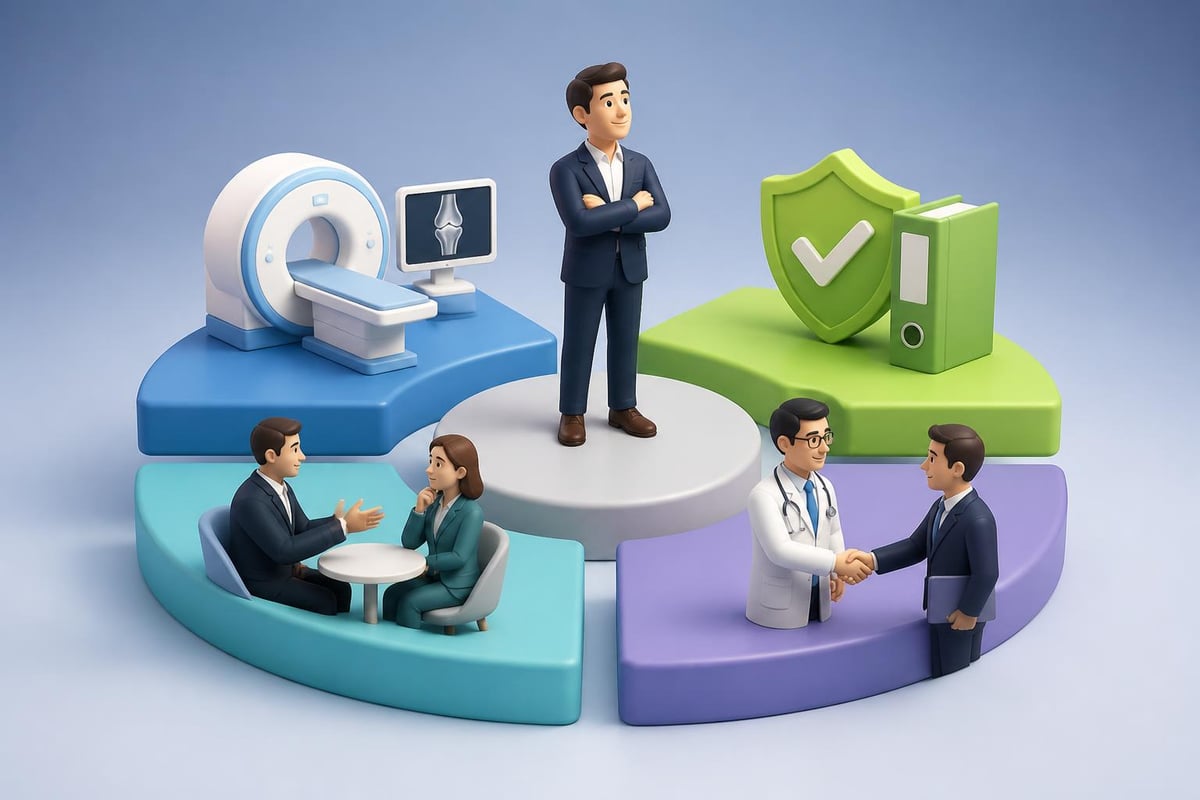
Recruitment firms with dedicated medical device practices have built their expertise through hundreds of placements across various device categories. They recognize that a successful cardiovascular sales representative possesses different strengths than someone selling orthopedic implants, despite both working in the medical device space.
Industry Network Advantages
The value of a specialized network cannot be overstated. Medical device recruiters maintain relationships with professionals throughout the industry, including passive candidates who are not actively seeking new positions but might consider the right opportunity.
Network Component | Value Provided |
|---|---|
Passive Candidates | Access to top performers not actively job searching |
Industry Contacts | Referrals and market intelligence |
Hiring Manager Relationships | Deep understanding of company culture and needs |
Regulatory Expertise | Knowledge of compliance requirements |
These networks enable faster placements with higher retention rates. When a recruiter understands both the candidate's career aspirations and the hiring company's culture, they create matches that benefit both parties long-term.
The High-Ticket Sales Connection
Medical device sales shares critical characteristics with other high-ticket sales environments. Both require consultative approaches, long sales cycles, and the ability to articulate complex value propositions. Companies selling premium services over virtual platforms face similar challenges in identifying sales talent who can navigate extended decision-making processes.
Just as high-ticket sales professionals must build trust through remote interactions, medical device representatives often begin relationships through virtual presentations before transitioning to in-person demonstrations. This parallel makes lessons from medical device recruitment applicable to other complex B2B sales environments.
Transferable Skills Assessment
Medical device recruiters evaluate candidates on dimensions that apply across high-value sales contexts:
Consultative selling methodology - Moving beyond features to business outcomes
Stakeholder management - Navigating multiple decision-makers and influencers
Technical proficiency - Quickly mastering complex product knowledge
Objection handling - Addressing concerns about cost, implementation, and ROI
Persistence and follow-through - Maintaining momentum through extended cycles
These competencies translate directly to other industries where sales professionals must close deals exceeding several thousand dollars through consultative approaches.
Emerging Trends Shaping Medical Device Recruitment
The landscape continues evolving as technology reshapes both medical devices themselves and the recruitment processes that staff their sales teams. Current talent acquisition trends reflect the impact of technological advancements and changing reimbursement models on hiring practices.
Artificial intelligence integration in medical devices, as explored in recent research on AI in medical device software, creates demand for sales professionals who can discuss machine learning algorithms and data analytics with clinical stakeholders. This technical evolution requires recruiters to assess candidates' comfort with emerging technologies.
Remote Work Considerations
The shift toward remote and hybrid work models has impacted medical device sales differently than other sectors. While territory-based field sales remains essential, companies increasingly supplement traditional roles with inside sales and technical support positions that operate remotely.
Remote capabilities medical device recruiters now prioritize:
Virtual demonstration expertise
Video conferencing professionalism
Self-motivation and time management
Digital CRM and sales enablement tool proficiency
Remote relationship building skills
This evolution mirrors broader trends in remote sales recruitment, where companies seek talent capable of performing at high levels without daily in-office presence.
Vetting and Assessment Methodologies
Medical device recruiters employ rigorous screening processes to ensure candidates possess both the technical knowledge and sales acumen required for success. The vetting process extends beyond resume review to include behavioral interviews, technical assessments, and reference verification.
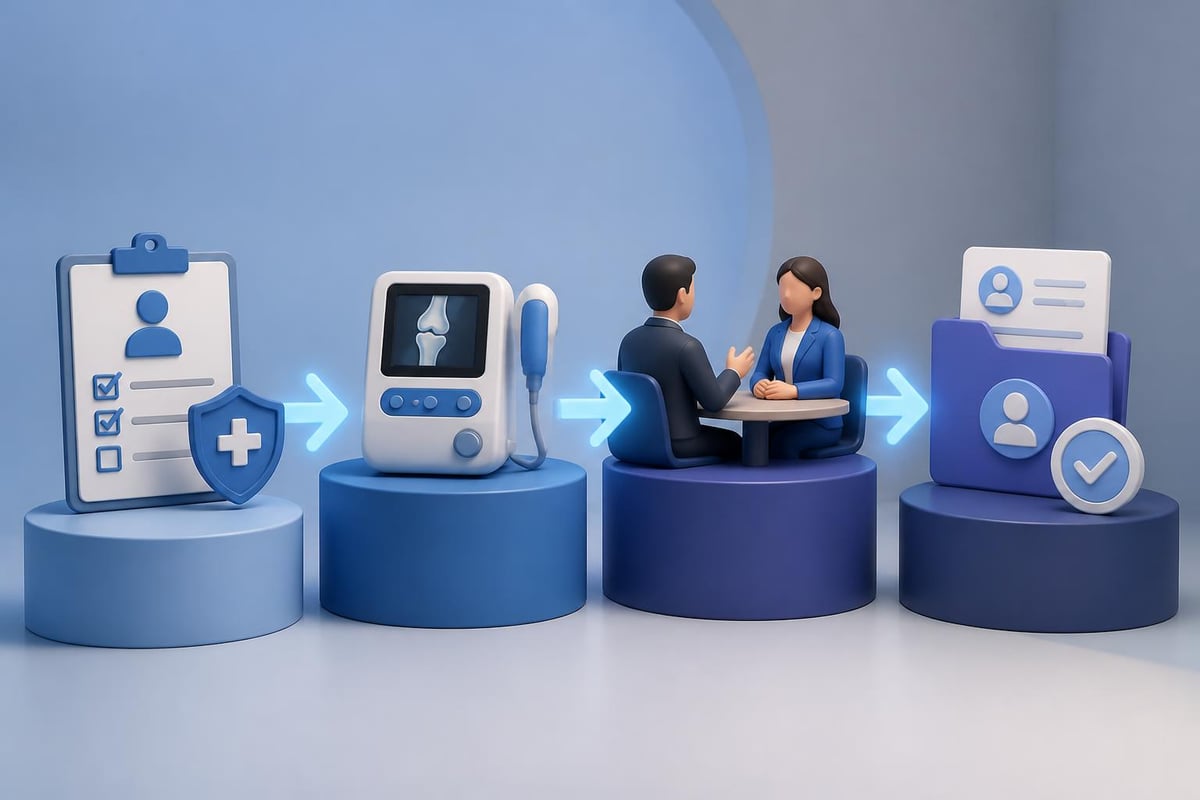
Structured Interview Approaches
Effective recruiters use structured interview methodologies that reveal how candidates have performed in situations similar to those they will face. Rather than hypothetical questions, they explore specific past experiences that demonstrate competencies.
Assessment Area | Evaluation Method | Success Indicators |
|---|---|---|
Technical Knowledge | Product scenario discussions | Accurate terminology, learning agility |
Sales Process | Deal walkthrough | Structured methodology, metric awareness |
Relationship Building | Stakeholder management examples | Multiple touchpoints, value demonstration |
Compliance Awareness | Regulatory scenario questions | FDA knowledge, ethical decision-making |
These structured approaches help identify the right fit for specific organizational needs while reducing hiring bias and improving prediction of on-the-job success.
Building Revenue-Producing Teams
Specialized recruitment expertise proves particularly valuable when companies need to scale their sales organizations quickly. Whether launching new products, entering new territories, or replacing underperforming team members, medical device recruiters accelerate the hiring process while maintaining quality standards.
The complexity of medical device sales means that poor hires carry significant costs. Beyond salary and benefits, there are training investments, territory opportunity costs, and potential damage to key relationships. Specialized recruiters mitigate these risks through comprehensive candidate evaluation.
Team Composition Strategy
Successful medical device sales teams often include diverse role types, each requiring distinct skill sets:
Territory Sales Representatives - Build relationships with healthcare providers in assigned regions
Clinical Specialists - Provide technical support during procedures and training
Inside Sales Support - Handle administrative tasks and initial prospect qualification
Key Account Managers - Manage relationships with large hospital systems and GPOs
Applications Specialists - Deliver product training and ongoing technical education
Medical device recruiters understand how these roles interact and can help companies build balanced teams that support the entire sales cycle.
Retention and Replacement Considerations
Even with excellent hiring practices, turnover remains a reality in competitive sales environments. Medical device recruiters who understand this reality often structure partnerships that account for replacement needs. The concept of replacement guarantees provides companies with protection against early-stage turnover.
Research on recruiter impact on hiring outcomes demonstrates that recruiter expertise significantly influences not just initial placement success but long-term retention rates. Recruiters who accurately assess cultural fit and career alignment create placements that last.
Turnover Cost Analysis
Understanding the true cost of sales team turnover helps companies appreciate the value of specialized recruitment:
Direct costs - Recruiting fees, advertising, interviewing time
Opportunity costs - Lost sales during vacancy period
Training investments - Onboarding, product education, sales methodology
Relationship impact - Disruption to customer relationships and pipeline
Team morale - Effect on remaining team members
These factors make it critical to work with medical device recruiters who prioritize quality matches over quick placements.

Cross-Industry Applications
The methodologies medical device recruiters employ offer lessons for companies in other high-value sales environments. Whether recruiting for pharmaceutical sales or complex service offerings, the principles of specialized recruitment expertise apply universally.
Companies selling premium services, consulting packages, or technology solutions above $2,500 face similar challenges in identifying sales talent. The consultative approach required in medical device sales translates directly to these environments, where sales professionals must articulate sophisticated value propositions to skeptical buyers.
Competency Transfer Framework
Core competencies that transfer across high-ticket sales environments:
Solution selling versus product selling orientation
Multi-stakeholder consensus building
Value quantification and ROI demonstration
Extended pipeline management
Technical product knowledge acquisition
Objection resolution through education
Organizations focused on building efficient sales teams can apply lessons from medical device recruitment regardless of their specific industry.
Selection Criteria for Medical Device Recruiters
Companies seeking recruitment partners should evaluate several factors beyond basic industry experience. The quality of a recruiter's network, their assessment methodologies, and their understanding of your specific device category all influence outcomes.
Questions to ask potential medical device recruiters:
What specific device categories do you specialize in?
How many placements have you made in similar roles?
What percentage of your placements remain with companies after 12 months?
How do you assess technical knowledge versus selling skills?
What is your process for understanding our company culture?
How do you source passive candidates?
What replacement or guarantee provisions do you offer?
These questions help identify recruiters with genuine expertise versus generalists attempting to expand into medical device placement.
Regulatory Knowledge Requirements
Medical device sales professionals must understand FDA classifications, quality system regulations, and post-market surveillance requirements. Medical device recruiters assess this knowledge during candidate evaluation, recognizing that regulatory missteps can have serious consequences for both sales representatives and their employers.
The regulatory landscape continues evolving, with increased scrutiny on promotional claims, off-label discussions, and adverse event reporting. Sales professionals who demonstrate both awareness and ethical decision-making in these areas represent lower risk for hiring companies.
Compliance Assessment Methods
Recruiters evaluate regulatory knowledge through scenario-based questions that reveal how candidates have navigated complex compliance situations:
Scenario Type | Assessment Focus | Red Flags |
|---|---|---|
Off-label inquiries | Ethical boundaries | Willingness to bend rules |
Adverse event handling | Reporting knowledge | Lack of urgency |
Promotional claims | FDA compliance | Overstatement tendencies |
Clinical data discussions | Scientific rigor | Misrepresentation |
This focus on compliance helps companies avoid costly violations while building teams that uphold industry standards.
Market Intelligence Value
Beyond individual placements, medical device recruiters provide valuable market intelligence. Their daily interactions with candidates and hiring managers give them unique perspectives on compensation trends, competitive hiring practices, and emerging skill requirements.
Companies benefit from understanding how their compensation packages compare to market rates, which competitors are actively hiring, and what benefits attract top talent. This intelligence informs not just individual hiring decisions but broader talent strategy.
Competitive Positioning Insights
Medical device recruiters can help companies understand their positioning in talent markets:
Compensation benchmarking against competitors
Benefits package attractiveness assessment
Company reputation among sales professionals
Territory attractiveness and growth potential
Training and development program comparison
These insights enable companies to make strategic adjustments that improve their ability to attract and retain top performers.
Technology Integration in Recruitment
Modern medical device recruiters leverage various technologies to improve candidate sourcing, assessment, and matching. While maintaining the personal relationships that define successful recruitment, they supplement human judgment with data-driven tools.
Applicant tracking systems, candidate relationship management platforms, and assessment technologies streamline administrative tasks while improving candidate experience. However, the human element remains essential, particularly when evaluating cultural fit and career alignment.
Long-Term Partnership Approach
The most effective relationships between companies and medical device recruiters extend beyond transactional placements. Long-term partnerships enable recruiters to develop deep understanding of company culture, product portfolios, and strategic direction.
This understanding leads to better candidate matches, faster placements, and higher retention rates. Recruiters who function as strategic partners rather than vendors provide ongoing value through candidate recruitment excellence and market intelligence sharing.
Partnership Benefits
Advantages of ongoing recruiter relationships:
Reduced time-to-hire through pre-existing candidate pipelines
Better cultural fit assessment based on company knowledge
Priority access to top candidates
Proactive talent mapping for future needs
Competitive intelligence and market trend insights
Streamlined processes through established workflows
These benefits compound over time as recruiters develop institutional knowledge about your organization.
Future Outlook
The medical device industry will continue evolving in response to technological innovation, regulatory changes, and healthcare delivery model shifts. Medical device recruiters who stay current with these trends position themselves and their clients for success.
Emerging areas like digital health, remote patient monitoring, and AI-enhanced diagnostics create demand for sales professionals with new skill combinations. Recruiters who understand these trends can help companies build teams capable of selling next-generation solutions.
Medical device recruiters deliver specialized expertise that accelerates hiring while improving placement quality and retention in this complex industry. The principles they employ apply across high-ticket sales environments where technical knowledge, consultative selling, and relationship management determine success. Whether you are building a sales team for medical devices or other premium offerings, Sales Match provides access to pre-vetted sales talent ready to drive revenue growth, backed by replacement guarantees that eliminate hiring risk.
