High Recruitment: Building Elite Sales Teams in 2026
Discover high recruitment strategies for building world-class sales teams. Learn how to attract, vet, and hire top appointment setters and closers.
published
The competitive landscape for sales talent has intensified dramatically over the past several years, forcing businesses to reconsider their approach to building effective teams. High recruitment represents a fundamental shift from traditional hiring methods to a more strategic, quality-focused approach that prioritizes finding top-tier professionals capable of generating consistent results. For businesses selling high-ticket products and services over digital channels, the stakes are particularly elevated, as each sales position directly impacts revenue generation and customer acquisition. This comprehensive exploration examines how organizations can implement high recruitment practices to build world-class sales teams without sacrificing time or compromising on quality.
Understanding the High Recruitment Philosophy
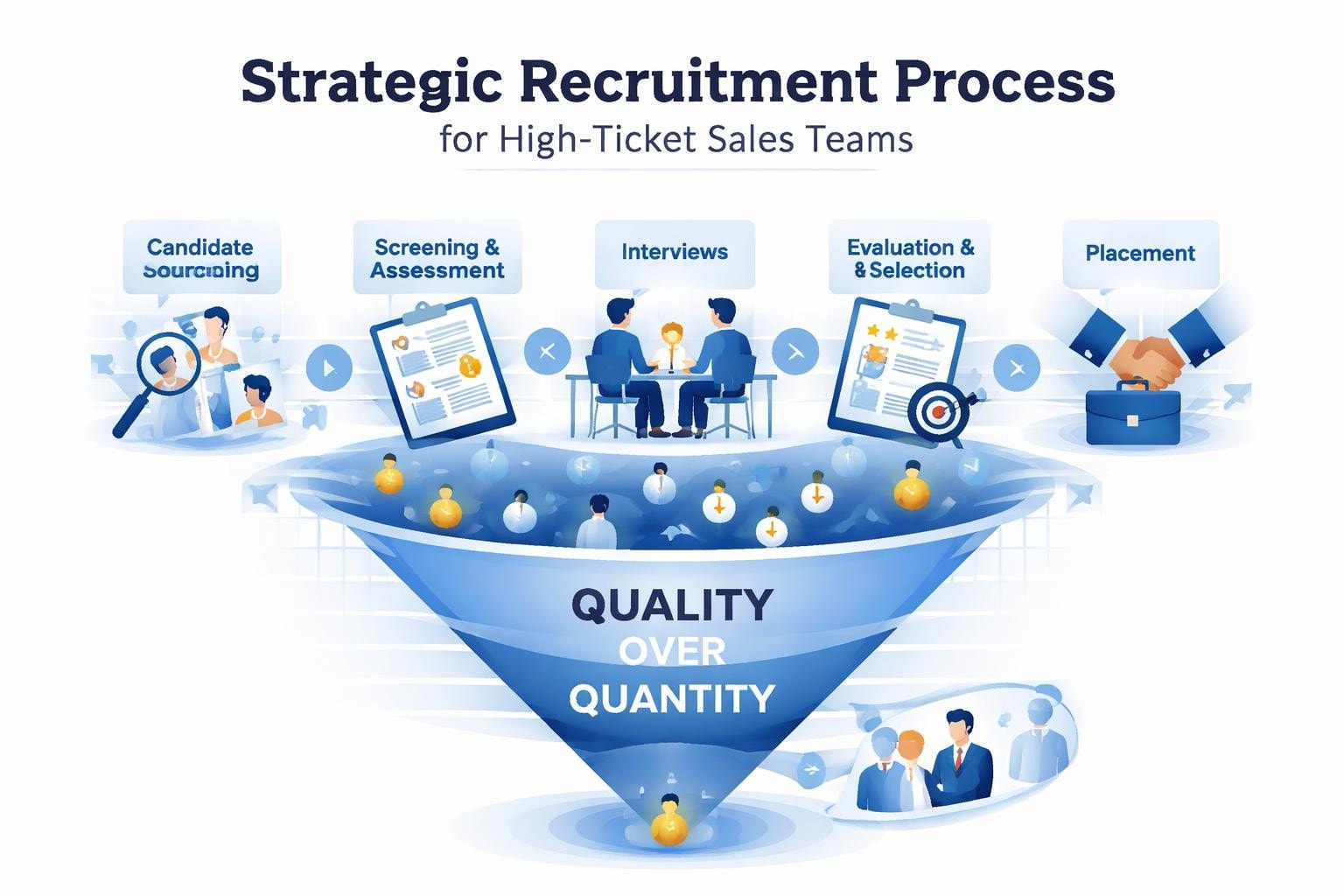
High recruitment fundamentally differs from conventional hiring by emphasizing quality, precision, and strategic alignment over volume and speed. Rather than casting a wide net and hoping to find suitable candidates among hundreds of applicants, this approach focuses on identifying, attracting, and securing professionals who already possess the specific skills, experience, and mindset required for success in high-ticket sales environments.
The Quality-First Mentality
Traditional recruitment often operates on a numbers game, with hiring managers reviewing countless resumes to find a handful of qualified candidates. High recruitment flips this model entirely by pre-qualifying talent before they ever enter your hiring pipeline. This methodology proves particularly valuable for businesses operating in specialized markets where appointers and closers require specific expertise.
Key differentiators include:
Rigorous pre-screening processes that evaluate technical competencies
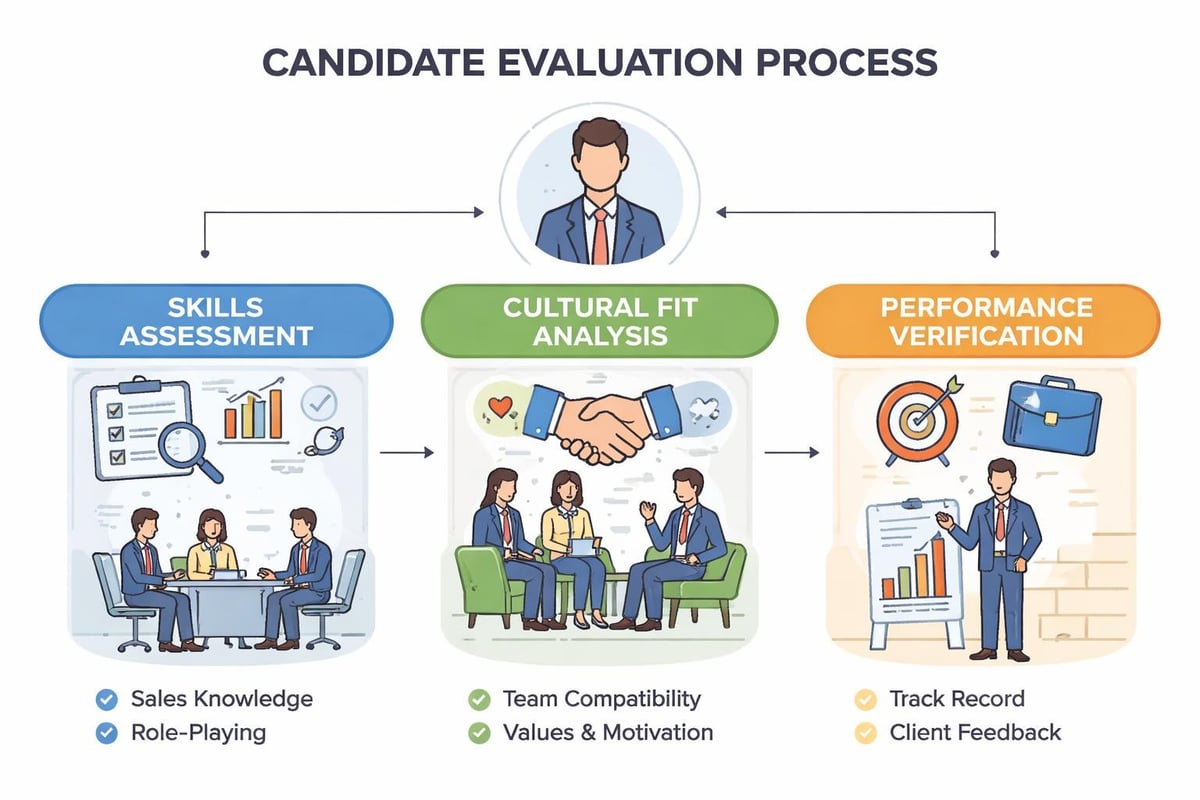
Behavioral assessments to determine cultural fit
Track record verification to confirm past performance
Industry-specific knowledge testing
Communication skill evaluation through practical demonstrations
The impact of this approach extends beyond simply filling positions faster. According to SHRM's 2025 Talent Trends research, organizations face persistent challenges in recruiting top talent, with adaptive strategies becoming essential for success in competitive markets.
Strategic Alignment with Business Goals
High recruitment requires deep integration between your recruitment strategy and broader business objectives. For companies selling services valued at $2,500 or more through virtual channels, every sales professional must understand complex value propositions, navigate extended sales cycles, and close deals with sophisticated decision-makers.
This alignment manifests in several critical ways. First, recruitment criteria should reflect the specific competencies required for your unique sales process. A marketing agency selling comprehensive campaign packages needs closers who excel at consultative selling, while software consultants might prioritize technical fluency alongside sales acumen.
Overcoming Modern Recruitment Challenges
The recruitment landscape in 2026 presents unprecedented obstacles that demand innovative solutions. Understanding these challenges represents the first step toward implementing effective high recruitment strategies.
Talent Scarcity in Specialized Markets
The shortage of qualified sales professionals has reached critical levels across multiple industries. Recent research from Joveo identifies talent shortages as a primary challenge in recruitment processes, alongside candidate drop-offs and engagement issues.
For businesses requiring specialized knowledge, this scarcity intensifies further. A coach selling high-ticket transformation programs needs sales professionals who understand behavioral psychology, personal development, and consultative methodologies. These combined skill sets exist in limited supply, making high recruitment approaches essential for accessing hidden talent pools.
Challenge | Impact | High Recruitment Solution |
|---|---|---|
Limited qualified candidates | Extended time-to-hire | Pre-vetted talent networks |
High candidate drop-off rates | Wasted resources | Streamlined evaluation processes |
Misaligned expectations | Poor retention | Detailed role clarity upfront |
Generic screening methods | Quality mismatches | Industry-specific assessments |
Economic Volatility and Budget Constraints
Economic uncertainties create additional pressure on recruitment processes. Organizations must balance the need for top talent against budgetary limitations and operational efficiency requirements. HR Cloud's analysis of recruitment challenges highlights how economic volatility compounds existing hiring difficulties, creating a perfect storm for unprepared organizations.
High recruitment addresses these concerns through efficiency optimization. By working with specialized recruitment services, businesses reduce the time and financial investment required for candidate sourcing, initial screening, and preliminary evaluation. This approach transforms recruitment from a cost center into a strategic investment with measurable returns.
Building Your High Recruitment Framework
Implementing high recruitment requires systematic planning and execution across multiple dimensions. The following framework provides a structured approach to transforming your hiring process.
Define Precise Success Criteria
Vague job descriptions attract misaligned candidates and waste valuable time. High recruitment begins with crystallizing exactly what success looks like in each role. For appointment setters working in high-ticket environments, this might include specific metrics around call-to-appointment conversion rates, qualification accuracy, and calendar fill rates.
Essential elements include:
Clear performance expectations with measurable outcomes
Required technical competencies and tool proficiencies
Cultural attributes that align with company values
Communication style preferences and presentation skills
Previous experience markers that indicate readiness
This precision enables more effective candidate evaluation and ensures alignment between hiring managers and recruitment partners. When working with vetted candidates, these criteria form the foundation for matching processes.
Implement Multi-Stage Evaluation
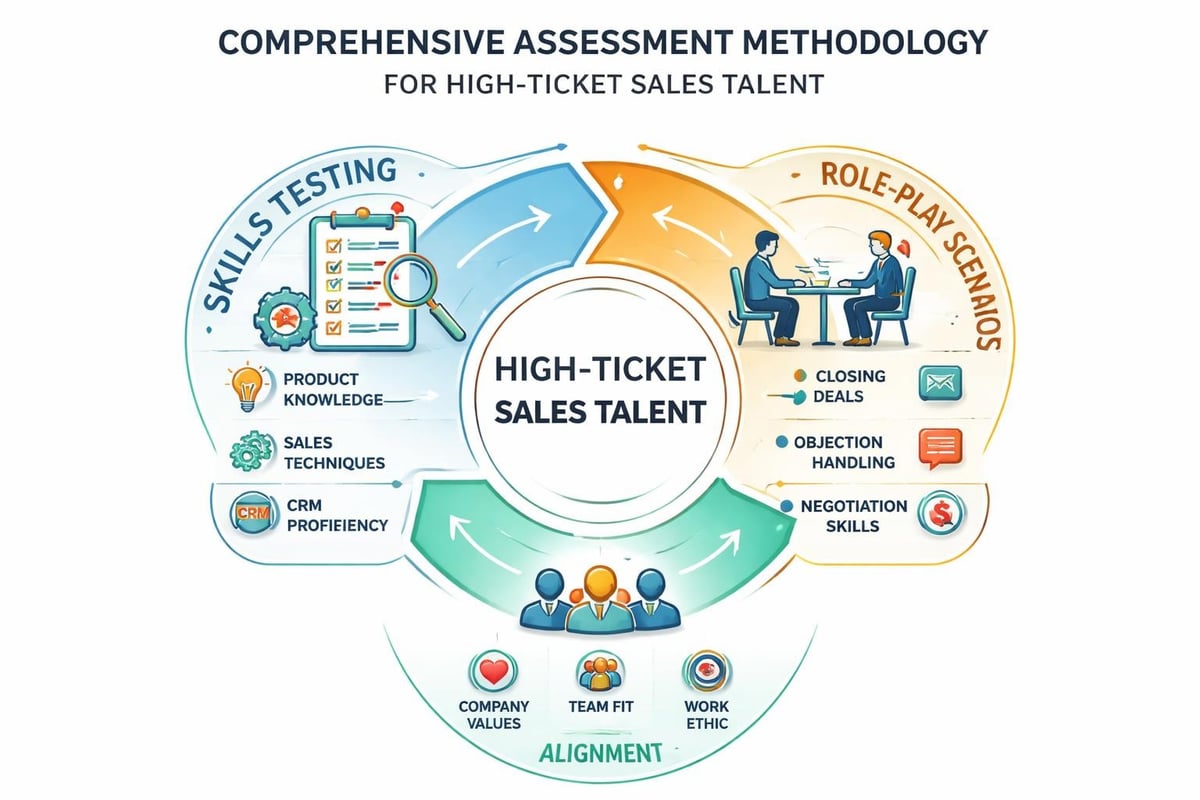
High recruitment employs sophisticated evaluation methodologies that assess candidates across multiple dimensions. Single interviews or basic resume reviews fail to capture the nuanced competencies required for high-ticket sales success.
A comprehensive evaluation process might include role-play scenarios where candidates demonstrate their ability to handle objections, navigate complex sales conversations, and maintain composure under pressure. These practical assessments reveal capabilities that traditional interviews often miss.
Leveraging Specialized Recruitment Resources
Organizations face a critical decision: build internal recruitment capabilities or partner with specialized providers. For most businesses focused on growth and revenue generation, the latter option delivers superior results with significantly reduced overhead.
The Case for Specialization
Investors in People research on recruitment strategies emphasizes the value of partnerships and specialized approaches in achieving hiring success. Recruitment specialists dedicated to specific industries develop deeper talent networks, refined evaluation processes, and market intelligence that generalist HR teams cannot replicate.
This specialization proves particularly valuable in high-ticket sales recruitment, where understanding commission structures, sales methodologies, and the nuances of remote sales environments directly impacts placement quality.
Speed Without Sacrifice
One of the most compelling advantages of specialized high recruitment services is the ability to maintain rigorous quality standards while dramatically reducing time-to-hire. Traditional recruitment cycles often extend for weeks or months, creating opportunity costs and leaving revenue on the table.
Pre-vetted talent pools eliminate much of this timeline by providing access to professionals who have already undergone comprehensive screening. This approach aligns with modern business needs for agility and rapid scaling without compromising on candidate quality.
Optimizing for Cultural Fit and Long-Term Success
Technical competencies alone do not guarantee recruitment success. High recruitment recognizes that long-term performance depends equally on cultural alignment and intrinsic motivation factors.
Assessing Cultural Compatibility
Cultural fit extends beyond superficial personality matching. It encompasses work style preferences, communication patterns, problem-solving approaches, and fundamental value alignment. A remote sales closer working independently requires different cultural attributes than someone joining an office-based team environment.
Evaluation methods include:
Structured behavioral interviews focused on past experiences
Team interaction sessions with key stakeholders
Work style assessments and preference inventories
Values alignment discussions
Scenario-based questions revealing decision-making frameworks
According to Zimyo's comprehensive recruitment strategies guide, focusing on diversity and inclusion while maintaining cultural coherence creates stronger, more resilient teams.
Retention Through Proper Placement
High recruitment's ultimate success metric is not just placement but sustained performance and retention. Proper matching between candidate capabilities, role requirements, and organizational culture dramatically impacts long-term tenure.
When building sales departments, consider how each hire complements existing team dynamics and fills specific competency gaps. A balanced team might include aggressive hunters for new business acquisition alongside nurturing account managers who excel at expansion sales.
Technology's Role in Modern High Recruitment
While maintaining focus on human judgment and relationship-building, modern high recruitment leverages technology to enhance efficiency and effectiveness across the hiring process.
Data-Driven Decision Making
Advanced recruitment platforms enable tracking and analysis of key hiring metrics, revealing patterns that inform strategy refinement. Conversion rates at each evaluation stage, time-to-productivity after hiring, and retention correlations with specific screening criteria provide actionable insights.
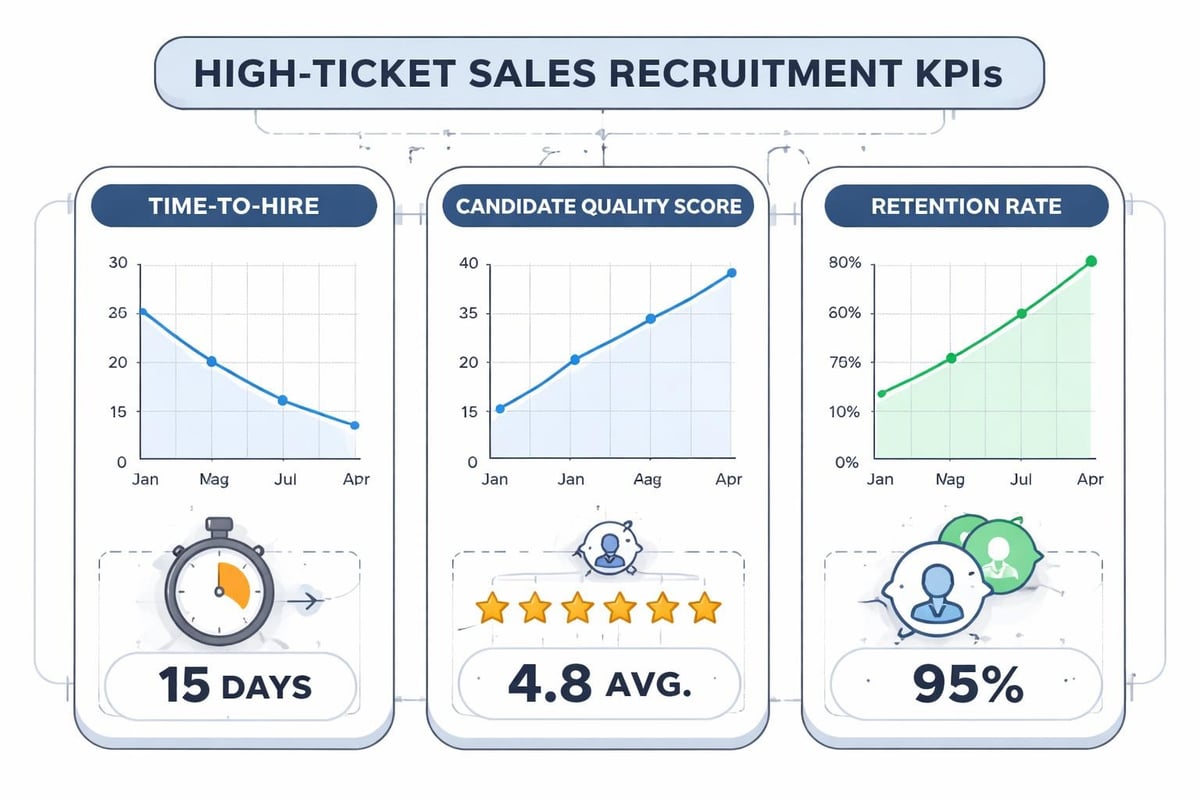
These analytics help organizations identify which evaluation methods most accurately predict success and where bottlenecks slow the hiring process. Corporate Navigators' analysis of 2025 recruiting challenges highlights how data-driven approaches address persistent talent shortage issues.
Communication and Coordination Tools
High recruitment demands seamless coordination between multiple stakeholders, including hiring managers, recruitment specialists, and candidates themselves. Modern communication platforms facilitate this coordination while maintaining professional standards and candidate experience quality.
For businesses hiring remote sales professionals, these tools become even more critical. Video interviewing platforms, collaborative evaluation scorecards, and automated scheduling systems reduce friction and accelerate decision-making without sacrificing thoroughness.
Structuring Competitive Offers
Attracting top-tier sales professionals requires more than competitive base compensation. High recruitment recognizes that the most talented individuals evaluate opportunities holistically, considering growth potential, autonomy, and alignment with personal goals.
Beyond Base Salary Considerations
Elite appointment setters and closers understand their value and seek arrangements that reward performance appropriately. Commission structure design plays a crucial role in attracting and retaining top performers, particularly in high-ticket environments where individual deal values can significantly impact total compensation.
Compensation Element | Standard Approach | High Recruitment Approach |
|---|---|---|
Base salary | Fixed, market-average | Competitive with clear growth path |
Commission | Standard percentage | Performance-tiered with accelerators |
Bonuses | Annual, discretionary | Milestone-based and predictable |
Benefits | Standard package | Customized to role requirements |
Development | Generic training | Role-specific skill advancement |
Growth and Development Opportunities
Top sales professionals prioritize environments that support continuous improvement and career advancement. High recruitment addresses this by clearly articulating development pathways and investment in professional growth from the initial recruiting conversation.
This might include access to advanced sales training, mentorship from senior closers, opportunities to specialize in particular verticals, or paths toward sales leadership positions. Transparency about these opportunities during recruitment helps attract ambitious professionals seeking long-term career homes rather than transactional employment.
Maintaining Recruitment Momentum
High recruitment is not a one-time initiative but an ongoing strategic capability that requires continuous refinement and optimization. Organizations that treat talent acquisition as a core competency rather than an administrative function gain sustained competitive advantages.
Building Internal Capabilities
Even when partnering with specialized recruitment services, internal teams benefit from developing fluency in high recruitment principles. Hiring managers should understand effective interviewing techniques, recognize quality indicators in candidate interactions, and contribute meaningfully to selection decisions.
Regular calibration sessions help maintain consistency in evaluation standards and ensure alignment between internal stakeholders and external recruitment partners. These sessions review recent placements, discuss what worked well, and identify areas for process improvement.
Continuous Process Improvement
The most effective recruitment strategies evolve based on results and changing market conditions. Regular analysis of hiring outcomes reveals opportunities to refine screening criteria, adjust evaluation methods, or modify search parameters.
Track metrics including time-to-productivity for new hires, retention rates at various tenure milestones, and performance correlations with specific candidate attributes. This data informs iterative improvements that enhance recruitment effectiveness over time.
The Strategic Imperative of High Recruitment
As markets become increasingly competitive and talent scarcity intensifies, high recruitment transitions from optional best practice to strategic necessity. Organizations that master this approach gain decisive advantages in building teams capable of driving consistent revenue growth and market expansion.
The investment in quality-focused recruitment processes delivers returns far exceeding the initial time and resource commitments. Every misaligned hire carries costs extending beyond wasted salary, including lost revenue opportunities, team disruption, and the burden of restarting recruitment processes.
For businesses operating in high-ticket sales environments, where individual performance directly impacts bottom-line results, the case for high recruitment becomes even more compelling. A single world-class closer can generate multiples of revenue compared to an adequate performer, making the difference between thriving and merely surviving in competitive markets.
Implementing high recruitment strategies transforms how organizations build sales teams, shifting from reactive hiring to proactive talent acquisition focused on quality and strategic fit. By emphasizing rigorous evaluation, cultural alignment, and specialized expertise, businesses position themselves to attract and retain the exceptional professionals who drive meaningful growth. Sales Match specializes in connecting high-ticket businesses with pre-vetted appointment setters and closers, eliminating lengthy hiring processes while ensuring quality matches that contribute to long-term success.