We Hire: Building Elite Sales Teams for High-Ticket
Discover how "we hire" decisions impact your sales team's success. Learn proven strategies to recruit top appointment setters and closers for 2026.
published
When business owners declare "we hire the best," they're making a promise that requires careful execution. In the competitive landscape of high-ticket sales, recruiting exceptional talent determines whether companies scale successfully or struggle with inconsistent revenue. For businesses selling products or services over $2,500 through virtual channels, the quality of appointment setters and closers directly impacts conversion rates, customer lifetime value, and overall business growth. This comprehensive guide explores the strategic approach to building elite sales teams, examining the critical factors that separate successful recruitment from costly hiring mistakes.
The Strategic Foundation: Why "We Hire" Matters More Than Ever
The sales recruitment landscape has fundamentally shifted in 2026. According to LinkedIn's 2025 Global Talent Trends report, 87% of companies now consider sales hiring quality their top priority for revenue growth. When business leaders say "we hire strategically," they acknowledge that every sales position directly influences bottom-line performance.
High-ticket businesses face unique recruitment challenges. Unlike traditional sales environments, virtual selling requires professionals who excel at building trust remotely, managing complex sales cycles, and closing deals worth thousands of dollars without face-to-face interaction. The statement "we hire appointment setters and closers" carries significant weight because these roles require specialized skill sets that traditional recruiting methods often fail to identify.
The True Cost of Hiring Mistakes
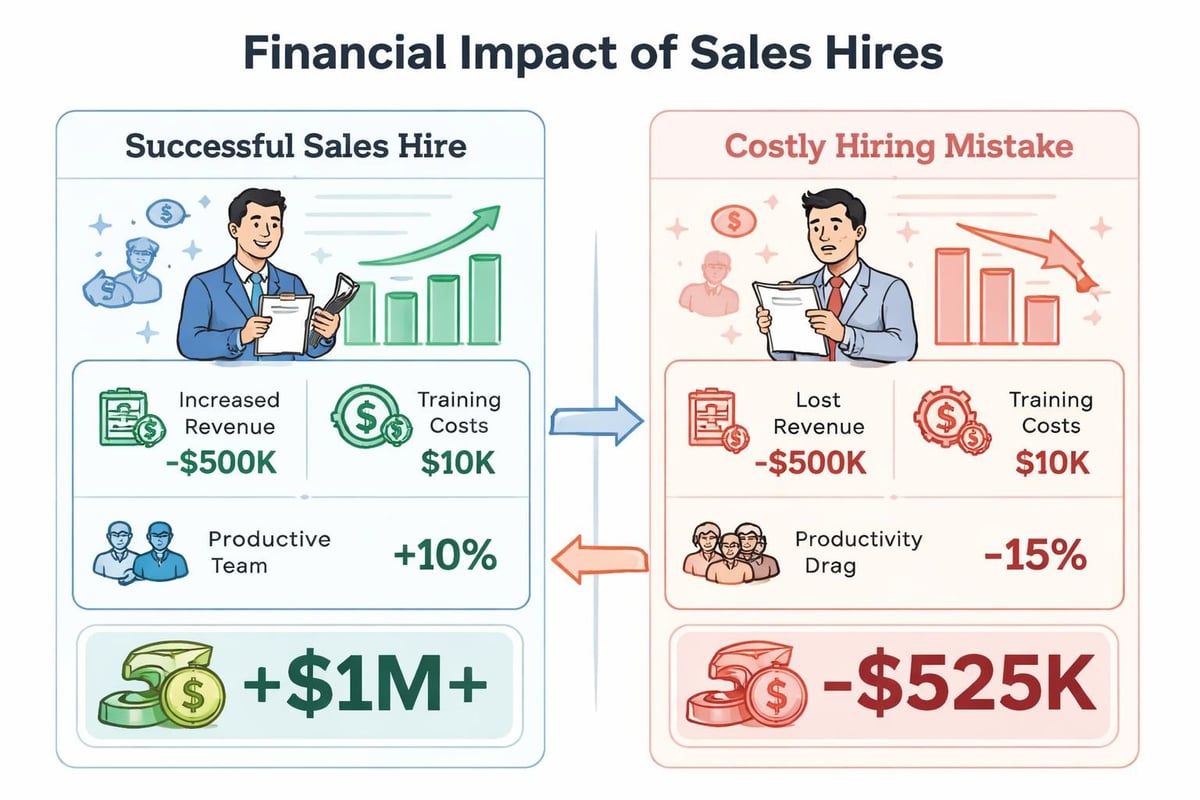
Poor hiring decisions extend far beyond wasted recruitment budgets. When we hire the wrong salesperson, businesses experience:
Revenue disruption lasting 6-12 months while searching for replacements
Lost opportunities from mishandled prospects during the underperforming period
Team morale decline as top performers compensate for weak links
Client relationship damage from inconsistent sales experiences
Training investment loss averaging $15,000-$25,000 per hire
The U.S. Department of Labor estimates that bad hires cost companies at least 30% of the employee's first-year earnings. For high-ticket sales positions with significant compensation packages, this translates to substantial financial impact.
Building Your Recruitment Philosophy: What "We Hire" Really Means
Every successful sales organization operates from a clear recruitment philosophy. When marketing agencies, consultants, and service-based businesses state "we hire intentionally," they've defined specific criteria that guide every hiring decision.
Defining Your Ideal Sales Profile
Before beginning any recruitment process, establish detailed profiles for both appointment setters and closers. These profiles should address:
For Appointment Setters:
Previous experience booking qualified meetings for high-ticket offers
Ability to handle objections during discovery conversations
Communication skills tailored to your target demographic
Technical proficiency with CRM systems and scheduling platforms
Resilience to handle high-volume outreach without burnout
For Closers:
Proven track record in consultative selling methodologies
Experience closing deals in your specific price range ($2,500+)
Ability to build rapport through video conferencing platforms
Deep questioning skills to uncover prospect pain points
Contract negotiation and objection-handling expertise
Role | Primary Function | Key Success Metrics | Average Ramp Time |
|---|---|---|---|
Appointment Setter | Generate qualified leads | Meetings booked, show rate, qualification accuracy | 2-4 weeks |
Closer | Convert prospects to clients | Close rate, average deal size, sales cycle length | 4-8 weeks |
The Vetting Framework: How We Hire Top Performers
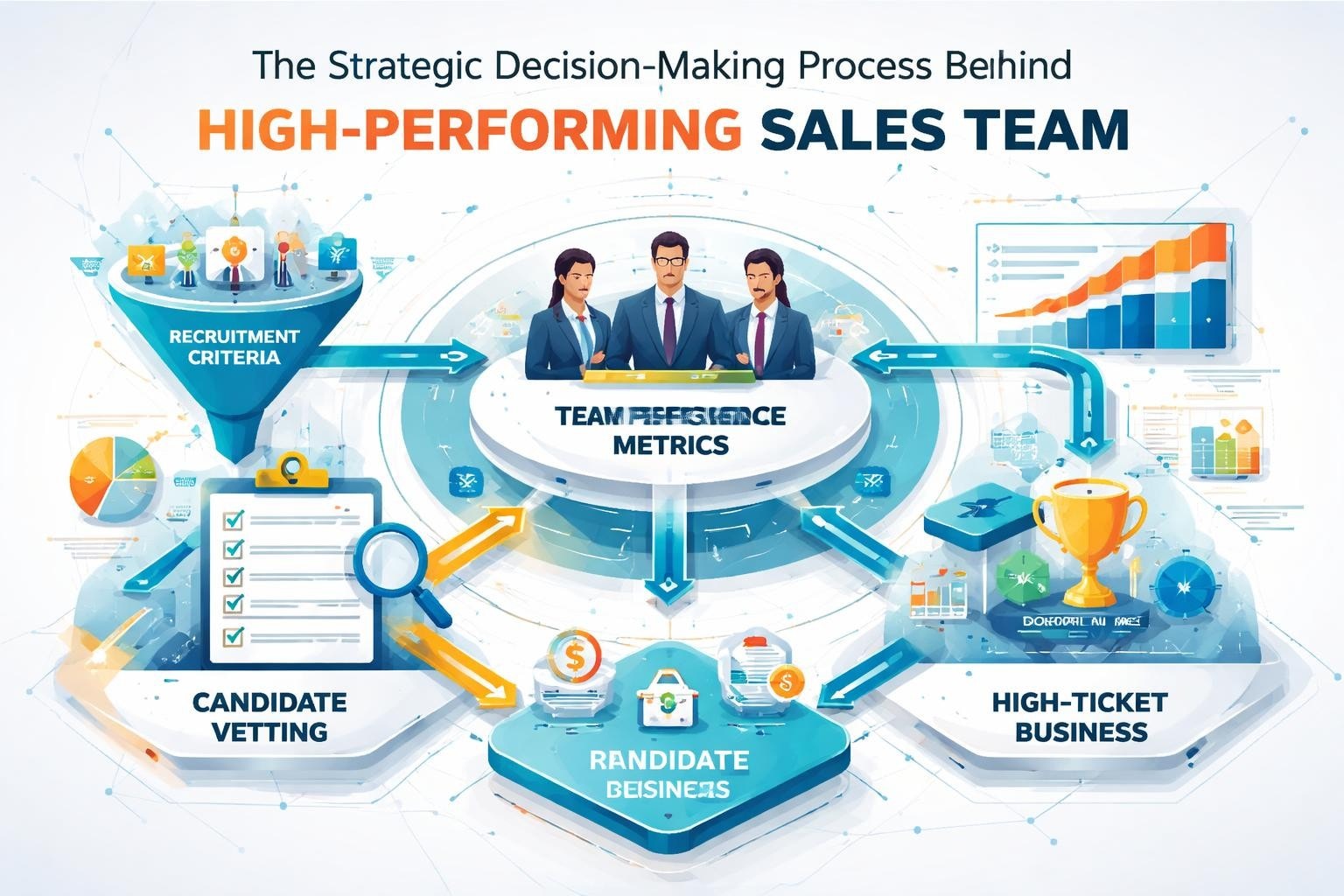
Professional sales recruitment requires systematic evaluation processes that go beyond resume reviews and standard interviews. When organizations confidently say "we hire only vetted candidates," they've implemented rigorous assessment frameworks.
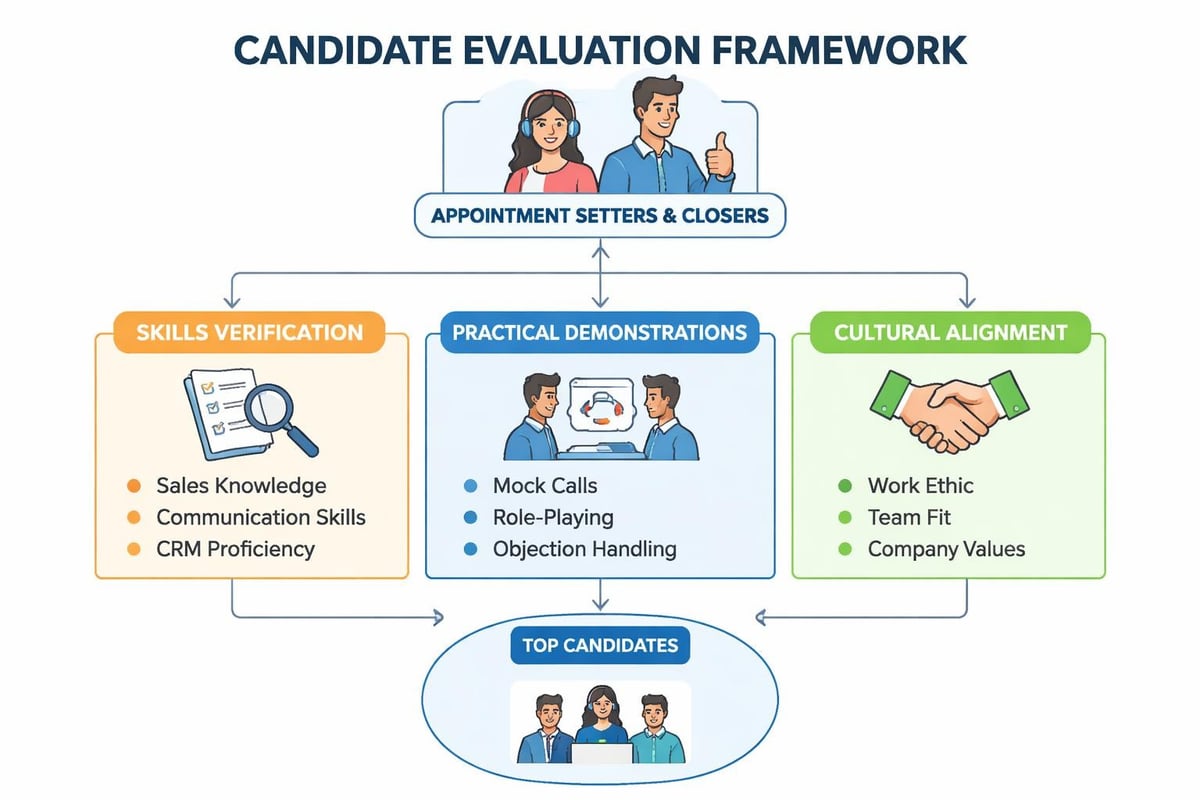
Multi-Stage Assessment Methodology
Effective vetting combines multiple evaluation layers to predict on-the-job performance accurately.
Stage One: Skills Verification
Initial screening should validate claimed experience through specific questioning about previous roles, sales methodologies used, and measurable achievements. This stage filters candidates who exaggerate qualifications or lack relevant experience.
Stage Two: Practical Demonstrations
Live role-play scenarios reveal how candidates actually perform under realistic conditions. For appointment setters, this includes cold calling exercises and objection handling. For closers, full sales presentations and negotiation simulations expose their true capabilities.
Stage Three: Cultural Alignment Assessment
Beyond skills, successful hires must align with your company culture and values. According to a 2024 Harvard Business Review study, cultural fit increases employee retention by 42% and improves team productivity by 33%. Organizations that prioritize this element when they hire experience significantly lower turnover rates.
Technical Competency Evaluation
High-ticket remote selling demands specific technical proficiencies. When we hire sales professionals, technical assessments should verify:
Video conferencing platform expertise (Zoom, Google Meet)
CRM navigation and data entry accuracy
Screen sharing and presentation delivery skills
Digital contract management familiarity
Communication platform proficiency (Slack, email, SMS)
Many recruitment platforms now offer specialized tools for assessing sales talent. For example, WelHire provides automated interview systems that streamline initial screening, while Wizehire offers applicant tracking designed specifically for growing businesses.
Sourcing Strategies: Where to Find Elite Sales Talent
The most common question from business owners isn't whether we hire quality candidates, but rather where to find them. Traditional job boards often attract high volumes of unqualified applicants, creating time-consuming screening processes.
Specialized Recruitment Channels
Different sourcing channels yield varying candidate quality levels. Strategic organizations diversify their recruitment approach across multiple platforms.
Industry-Specific Networks
Sales professionals congregate in specialized communities focused on high-ticket selling methodologies. These include:
Private Facebook groups dedicated to remote sales careers
LinkedIn Sales Navigator searches targeting specific experience criteria
Professional sales training alumni networks
Virtual sales conferences and networking events
Referral networks from existing top performers
International Talent Pools
The remote nature of high-ticket sales enables access to global talent markets. International recruitment agencies like We Hire connect businesses with European candidates, while platforms like We Hire Up specialize in offshore team building for startups and small businesses.
Passive Candidate Engagement
Top sales performers rarely actively search job boards. Instead, they respond to compelling opportunities presented through direct outreach. When successful companies say "we hire the best," they're typically recruiting passive candidates who aren't actively job hunting.
Effective Passive Recruitment Tactics:
Personalized LinkedIn outreach highlighting specific career growth opportunities
Content marketing that attracts sales professionals to your company brand
Participation in sales-focused podcasts and webinars to build employer visibility
Employee referral programs incentivizing your top performers to recruit their networks
Talent community building through regular engagement with potential future hires
Compensation Structure: Attracting Top Talent When We Hire
High-ticket sales roles command competitive compensation packages. Organizations that successfully recruit elite talent understand that inadequate pay structures repel the candidates they most want to attract.
Base Salary Versus Commission Models
The "we hire on commission-only" approach typically attracts less experienced or less confident salespeople. Top performers seek arrangements that provide financial stability while rewarding exceptional results.
Hybrid Compensation Framework:
Component | Appointment Setter Range | Closer Range | Strategic Purpose |
|---|---|---|---|
Base Salary | $36,000-$50,000 | $50,000-$75,000 | Provides stability, attracts experienced talent |
Commission/Bonus | $12,000-$40,000 | $30,000-$100,000+ | Rewards performance, drives results |
Total Compensation | $48,000-$90,000 | $80,000-$175,000+ | Competitive with market rates |
Understanding proper commission structure design helps businesses create compensation packages that motivate performance while maintaining profitability. The key lies in aligning incentives with desired outcomes.
Non-Monetary Benefits That Matter
When we hire sales professionals in 2026, compensation extends beyond salary and commission. According to Glassdoor's 2025 Employment Trends Report, 79% of employees would prefer additional benefits over pay raises.
High-Value Benefits for Remote Sales Teams:
Flexible scheduling allowing work-life balance optimization
Professional development budgets for ongoing sales training
Health insurance and wellness program access
Home office setup stipends for professional equipment
Performance-based recognition programs and career advancement paths
Interview Processes: Identifying Excellence When We Hire
Ineffective interviews waste time for both candidates and employers while failing to predict job performance accurately. When organizations state "we hire through structured processes," they've developed interview frameworks that consistently identify top talent.
Behavioral Interview Techniques
Past behavior predicts future performance more reliably than hypothetical questions. Structured behavioral interviews focus on specific situations candidates have previously navigated.
Essential Behavioral Questions:
"Describe a complex sales cycle you managed from initial contact through close. What specific strategies did you employ?"
"Tell me about a time when a prospect raised an objection you hadn't encountered before. How did you respond?"
"Share an example of when you missed quota. What factors contributed and how did you course-correct?"
"Explain a situation where you had to build trust with a skeptical prospect remotely. What approach did you take?"
These questions reveal authentic capabilities rather than rehearsed responses to generic interview questions.
Performance-Based Assessment Integration
The most predictive interview component involves watching candidates actually perform sales activities. When we hire without practical assessments, we rely heavily on self-reported abilities rather than demonstrated skills.
Effective Practical Assessments:
Live Cold Call Exercise: Provide a prospect profile and observe how candidates approach initial outreach
Discovery Call Role-Play: Simulate a qualification conversation to evaluate questioning techniques
Presentation Delivery: Have candidates present your actual offer to assess persuasion abilities
Objection Handling Scenarios: Present common objections and evaluate their responses in real-time
Contract Negotiation Simulation: Test their ability to navigate pricing discussions and close agreements
Organizations focused on hiring the right fit invest time in these practical evaluations, understanding they significantly reduce hiring mistakes.
Onboarding Excellence: Setting New Hires Up for Success
The hiring process doesn't end when we hire a candidate and they accept the offer. According to a 2024 study by the Society for Human Resource Management, 69% of employees are more likely to stay with a company for three years if they experienced great onboarding.
Structured Onboarding Framework
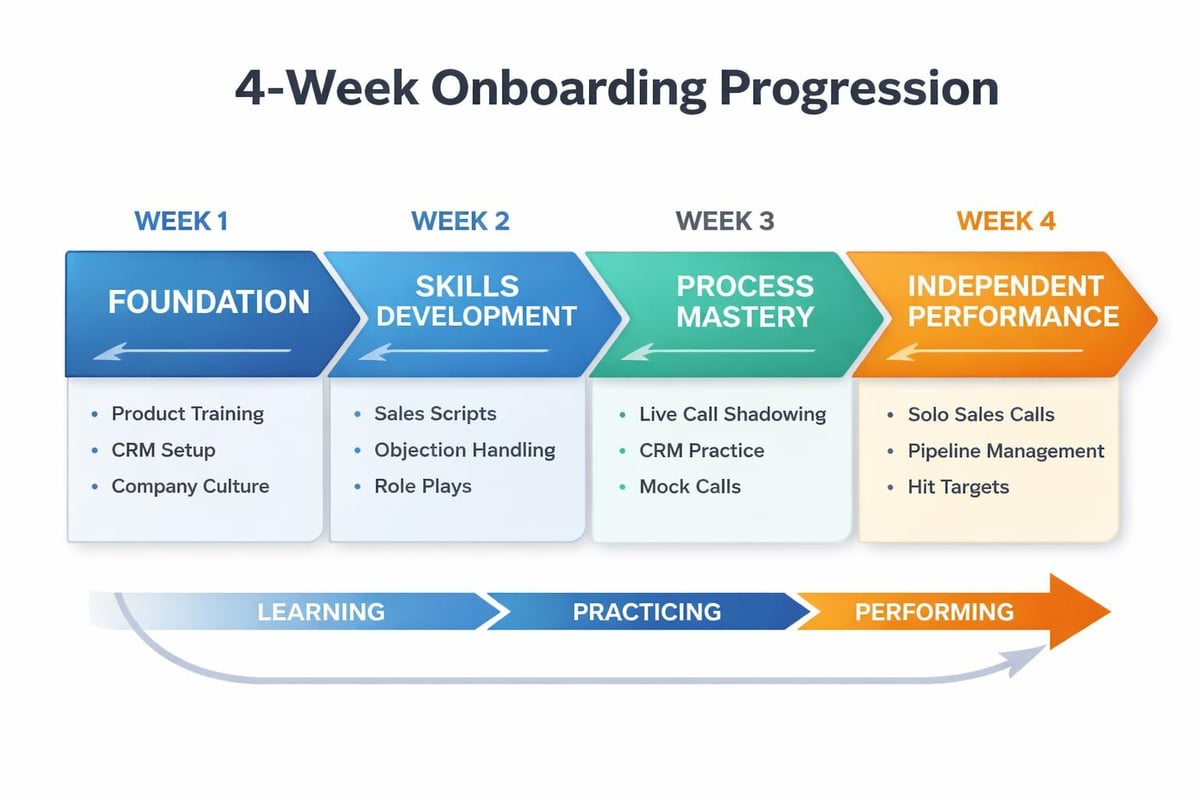
Successful onboarding for sales positions requires specific focus on product knowledge, sales process mastery, and early win generation.
Week One: Foundation Building
Company mission, values, and culture immersion
Product/service deep-dive including pricing, positioning, and competitive advantages
CRM and technology stack training
Ideal customer profile and buyer persona education
Introduction to existing team members and communication protocols
Week Two: Process Mastery
Complete sales process walkthrough from lead generation through close
Script and talk track familiarization
Shadowing experienced team members on live calls
Initial objection handling training
Practice presentations with feedback from management
Weeks Three-Four: Guided Practice
Supervised prospect interactions with real leads
Daily coaching sessions reviewing performance
Gradual increase in independent activity
First goal achievement milestones
Ongoing skill refinement based on observed gaps
Creating Early Momentum
When we hire sales professionals, generating early wins builds confidence and establishes positive performance patterns. Strategic onboarding includes:
Assigning "easier close" prospects during the initial period
Providing intensive support during first sales interactions
Celebrating small victories to build motivation
Offering daily feedback to accelerate learning curves
Setting realistic initial quotas that build toward full expectations
Retention Strategies: Keeping Top Talent After We Hire Them
Recruiting exceptional sales talent represents only half the equation. Organizations that repeatedly declare "we hire and retain" have implemented systems that keep top performers engaged long-term.
Career Development Pathways
Sales professionals seek growth opportunities beyond commission increases. According to LinkedIn's 2025 Workplace Learning Report, 94% of employees would stay at a company longer if it invested in their career development.
Clear Advancement Opportunities:
Progression from appointment setter to closer roles
Leadership tracks into sales management positions
Specialized paths toward enterprise or strategic accounts
Mentorship programs pairing top performers with newer team members
Cross-functional movement into marketing, customer success, or operations
Performance Recognition Systems
Beyond compensation, recognition fulfills fundamental psychological needs for achievement acknowledgment. When we hire sales professionals and then ignore their accomplishments, engagement deteriorates rapidly.
Effective Recognition Approaches:
Public acknowledgment in team meetings for significant wins
Performance leaderboards highlighting top contributors
Quarterly awards for various achievement categories
Personalized recognition matching individual motivational drivers
Peer-to-peer recognition systems enabling team appreciation
Technology and Tools: Supporting Your "We Hire" Strategy
Modern sales recruitment leverages specialized platforms that improve both hiring quality and process efficiency. When we hire using outdated methods, we compete at a disadvantage against organizations utilizing current recruitment technology.
Applicant Tracking Systems
Dedicated applicant tracking systems (ATS) organize candidate pipelines, automate communications, and maintain compliance documentation. These platforms transform chaotic hiring processes into systematic workflows.
For businesses focused on building efficient sales departments, ATS integration streamlines coordination between recruitment, onboarding, and ongoing performance management.
Assessment Platforms
Specialized sales assessment tools evaluate candidates against role-specific competencies. These platforms provide objective data that complements subjective interview impressions.
Key Assessment Categories:
Assessment Type | What It Measures | Implementation Timing |
|---|---|---|
Cognitive Ability | Problem-solving, learning speed | Early screening stage |
Sales Aptitude | Natural selling abilities, persuasion skills | Mid-stage evaluation |
Personality Profile | Work style, team fit, motivational drivers | Final candidate selection |
Situational Judgment | Decision-making in realistic scenarios | Pre-offer validation |
Recruitment Marketing Platforms
Top talent evaluates potential employers just as carefully as employers evaluate candidates. Platforms like We Hire You offer tools for recruiters to showcase opportunities effectively, while specialized design recruitment agencies demonstrate how targeted positioning attracts specific talent pools.
Your recruitment marketing should communicate:
Clear value propositions explaining why top performers should join your team
Authentic culture insights through employee testimonials and behind-the-scenes content
Specific growth trajectories available within your organization
Competitive advantages of your products/services that make selling easier
Success stories from existing team members (without specific outcome claims)
Remote Hiring Considerations: Building Distributed Sales Teams
The declaration "we hire remotely" introduces unique considerations for high-ticket sales recruitment. While remote work expands talent pools dramatically, it requires adapted evaluation and management approaches.
Remote-Specific Evaluation Criteria
Remote sales success depends on capabilities beyond traditional selling skills. When we hire for distributed teams, assessment must address:
Essential Remote Competencies:
Self-motivation and time management without direct supervision
Proactive communication skills in asynchronous environments
Technical troubleshooting abilities for common platform issues
Home office infrastructure adequate for professional interactions
Comfort with video-based relationship building
Building Remote Team Culture
According to Buffer's 2025 State of Remote Work report, 21% of remote workers cite loneliness as their biggest struggle. Organizations successfully declaring "we hire remote sales talent" implement specific culture-building initiatives.
Remote Culture Best Practices:
Regular video team meetings beyond tactical business discussions
Virtual coffee chats pairing team members randomly for relationship building
Annual or semi-annual in-person team gatherings when feasible
Digital collaboration spaces for informal communication
Clear documentation of processes, expectations, and resources
For businesses exploring remote sales closer recruitment or remote appointment setter hiring, these cultural elements significantly impact retention and performance.
Compliance and Legal Considerations in Sales Hiring
When we hire sales professionals, legal compliance protects both the organization and candidates. Employment law varies significantly by jurisdiction, particularly when hiring across state or international boundaries.
Employment Classification
Proper classification as employee versus independent contractor carries significant legal and tax implications. Misclassification exposes businesses to penalties, back taxes, and legal disputes.
Employee Classification Indicators:
Company controls when, where, and how work is performed
Business provides tools, equipment, and training
Relationship is ongoing rather than project-based
Work performed is integral to core business operations
Individual works exclusively or primarily for one company
Equal Employment Opportunity Compliance
Federal and state laws prohibit discrimination based on protected characteristics. When we hire, all interview questions, assessments, and selection criteria must focus exclusively on job-related qualifications.
Prohibited Considerations:
Age, race, gender, or religious affiliation
Marital or family status
Disability status unrelated to job performance
National origin or citizenship (with specific exceptions)
Genetic information or medical history
Maintaining consistent evaluation processes across all candidates creates defensible hiring decisions while ensuring fair treatment.
Measuring Recruitment Success: Metrics That Matter
Organizations that successfully build elite sales teams track specific recruitment metrics. The statement "we hire data-driven" reflects commitment to continuous improvement through measurement.
Key Performance Indicators
Quality of Hire Metrics:
Metric | Calculation | Target Benchmark |
|---|---|---|
Time to Productivity | Days until new hire reaches 75% of quota | 45-60 days |
First-Year Retention | Percentage of hires remaining after 12 months | >85% |
Hiring Manager Satisfaction | Survey rating of new hire quality | >4.0/5.0 |
Performance Rating | New hire performance versus team average | >90% of average |
Process Efficiency Metrics:
Time to fill open positions (target: 30-45 days for specialized roles)
Cost per hire including advertising, recruiting tools, and time invested
Candidate source effectiveness showing which channels produce best hires
Offer acceptance rate indicating competitive positioning
Application completion rate revealing process user-friendliness
Continuous Improvement Cycles
Measurement creates improvement opportunities only when followed by action. When we hire, post-hire reviews should identify patterns in successful versus unsuccessful placements.
Quarterly Hiring Reviews Should Address:
Which interview questions most accurately predicted performance?
Did certain sourcing channels produce higher-quality candidates?
What common characteristics unite top performers hired recently?
Where did unsuccessful hires fall short during the vetting process?
How can we adjust criteria or processes based on these insights?
Scaling Your Sales Team: From First Hire to Full Department
The journey from "we hire our first salesperson" to "we hire sales teams" requires evolving recruitment approaches. Scaling introduces complexity that single-hire processes don't address.
Building Hiring Infrastructure
As hiring volume increases, systematic infrastructure becomes essential. Top sales recruiting firms maintain specialized systems that growing businesses must develop internally or access through partnerships.
Scalable Hiring Components:
Standardized job descriptions with clear qualification requirements
Structured interview guides ensuring consistency across multiple interviewers
Rubric-based evaluation forms for objective candidate comparison
Automated communication sequences keeping candidates engaged throughout processes
Centralized knowledge bases documenting best practices and lessons learned
Team Composition Strategy
Strategic scaling considers team structure beyond simply adding more salespeople. When we hire for growth, role specialization improves overall efficiency.
Optimized Sales Team Structure:
Appointment Setting Specialists: Focus exclusively on lead generation and qualification
Sales Closers: Concentrate on converting qualified prospects to clients
Account Managers: Nurture existing client relationships and identify expansion opportunities
Sales Operations: Support team with data analysis, CRM management, and process optimization
Sales Leadership: Coach, develop, and manage team performance
This specialization allows each role to develop deep expertise rather than juggling multiple responsibilities. Businesses exploring comprehensive sales recruitment services benefit from expertise in building these balanced team structures.
Partnership Approaches: Alternative to Building Internal Recruiting
Not every organization possesses the resources or expertise to execute sophisticated recruitment internally. The decision "we hire through partnerships" acknowledges that specialized recruitment requires dedicated focus.
When to Consider Recruitment Partners
Several indicators suggest partnering with specialized recruiters makes strategic sense:
Limited internal HR or recruiting expertise specific to sales roles
Urgent hiring needs requiring faster time-to-fill than internal processes allow
Previous hiring attempts resulted in costly placement mistakes
Desire to access pre-vetted candidate pools rather than building from scratch
Focus on core business activities rather than recruitment process development
According to the American Staffing Association's 2025 research, 89% of businesses that partner with specialized recruiters report higher-quality hires compared to internal efforts alone.
Evaluating Recruitment Partners
When we hire through external partnerships, selecting the right recruiting firm significantly impacts outcomes. Professional candidate recruitment services vary dramatically in quality, specialization, and approach.
Essential Evaluation Criteria:
Specific expertise in your industry and role types
Transparent vetting processes with documented methodologies
Clear replacement policies addressing unsuccessful placements
Cultural fit assessment approaches beyond skills evaluation
References from similar businesses that have used their services
Platforms like WorkHire specialize in bulk hiring for operational roles, while niche recruiters focus on specific industries or position types. Alignment between your needs and recruiter specialization determines partnership success.
Building exceptional sales teams starts with strategic hiring decisions that prioritize quality over speed. When business owners commit to systematic recruitment processes, they create competitive advantages that directly impact revenue growth and organizational scalability. For high-ticket businesses selling through virtual channels, the quality of appointment setters and closers makes the difference between inconsistent results and predictable growth. Sales Match specializes in eliminating hiring guesswork by providing access to pre-vetted, world-class sales talent ready to contribute immediately, allowing you to focus on scaling your business rather than managing lengthy recruitment processes.