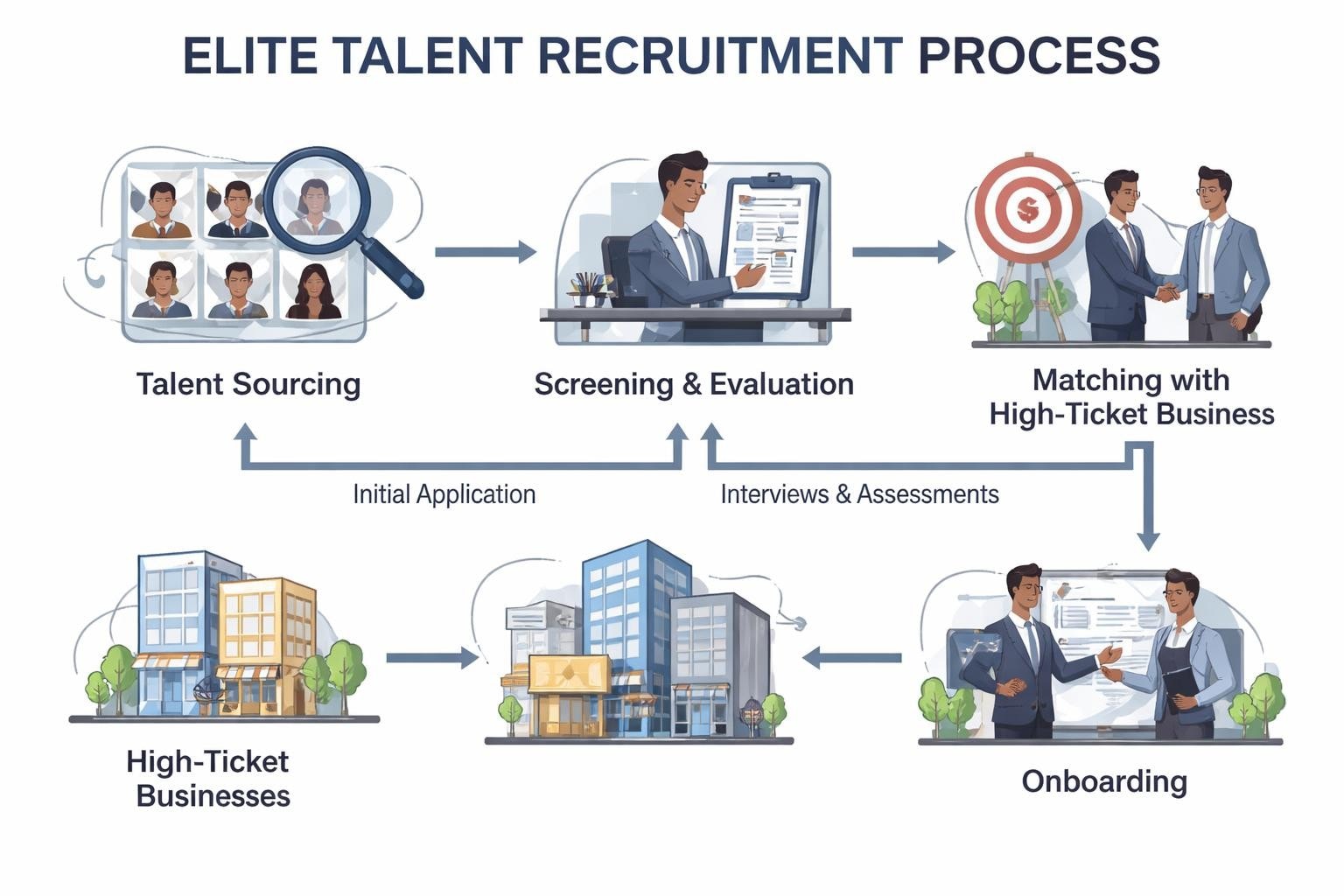
Elite Talent Recruitment: Building High-Performance Teams
Discover proven strategies for elite talent recruitment in 2026. Learn how to identify, attract, and retain top sales professionals.
published
The competition for exceptional sales professionals has never been more intense. Companies across industries are discovering that their growth potential directly correlates with their ability to attract and retain top-tier talent. For businesses selling high-ticket products and services online, the stakes are even higher. A single underperforming sales representative can cost tens of thousands in lost opportunities, while an elite performer can transform your entire organization. Understanding how to execute elite talent recruitment effectively has become a critical business competency that separates thriving companies from those struggling to scale.
The Strategic Foundation of Elite Talent Recruitment
Elite talent recruitment requires a fundamentally different approach than traditional hiring methods. The most successful organizations recognize that finding exceptional sales professionals demands intentionality, structure, and deep market understanding.
According to LinkedIn's Global Talent Trends report, many elite professionals struggle to secure positions despite their qualifications, while companies simultaneously report difficulty finding qualified candidates. This paradox reveals a critical disconnect in the recruitment process that strategic businesses can exploit.
Defining Elite Talent in Sales Contexts
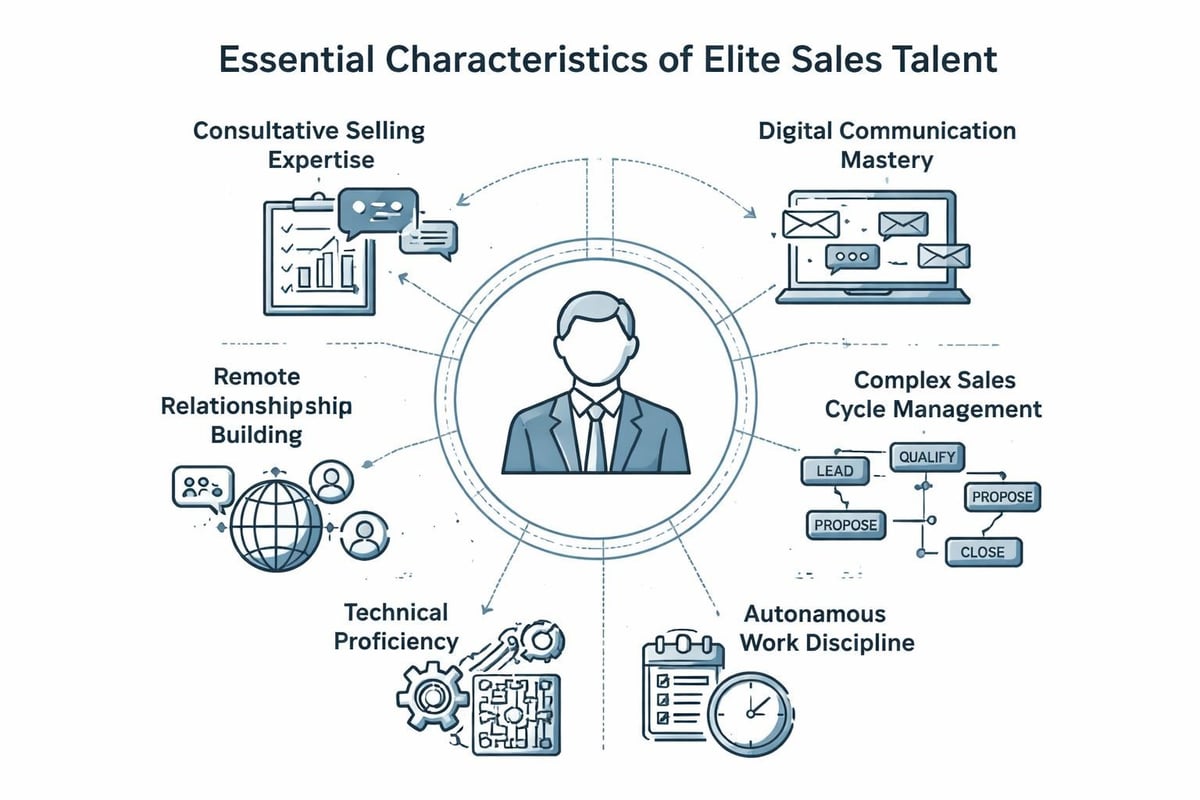
Before implementing any recruitment strategy, organizations must clearly define what constitutes elite talent for their specific needs. For businesses selling products or services exceeding $2,500 through digital channels, elite sales professionals demonstrate specific characteristics:
Proven track record in consultative selling environments
Exceptional communication skills across video conferencing platforms
Deep understanding of complex sales cycles and high-consideration purchases
Demonstrated ability to build rapport and trust remotely
Strong technical proficiency with digital sales tools and CRM systems
Self-motivation and discipline for remote work environments
The most effective recruitment strategies begin with crystal-clear criteria that align with business objectives and sales processes.
Building a Systematic Vetting Process
The foundation of elite talent recruitment lies in creating a rigorous, repeatable vetting process that identifies genuine performers while filtering out mediocre candidates. According to research on best recruitment practices, skills-based hiring has become increasingly important in 2026, with organizations moving beyond traditional credential-focused approaches.
Multi-Stage Assessment Frameworks
Effective vetting requires multiple evaluation stages, each designed to assess different competencies and qualities. A comprehensive framework typically includes:
Initial screening for baseline qualifications and experience
Behavioral interviews examining past performance and problem-solving approaches
Role-play scenarios testing real-world sales situations
Cultural fit assessment ensuring alignment with company values
Reference verification confirming claims and performance history
Assessment Stage | Primary Purpose | Key Evaluation Criteria |
|---|---|---|
Initial Screening | Filter unqualified candidates | Experience, track record, availability |
Behavioral Interview | Assess mindset and approach | Problem-solving, resilience, learning ability |
Role-Play | Test practical skills | Communication, objection handling, closing |
Cultural Fit | Ensure alignment | Values, work style, motivation factors |
Reference Check | Verify performance | Results validation, reliability, professionalism |
Organizations that invest in comprehensive vetting processes dramatically reduce hiring mistakes and improve long-term retention rates.
Topgrading Methodology for Sales Recruitment
The Topgrading methodology offers a structured approach specifically designed to identify high-caliber candidates while mitigating dishonesty in the hiring process. This method emphasizes thorough chronological interviews that examine candidates' entire career histories, focusing on accomplishments, mistakes, and key relationships at each position.
For elite talent recruitment in sales, Topgrading principles can be adapted to focus specifically on sales metrics, deal progression, and client relationship management throughout candidates' careers.
Overcoming Common Recruitment Challenges
Even with sophisticated processes, organizations face significant obstacles when pursuing elite talent. Understanding these challenges enables proactive solution development.
The top recruiting challenges identified for 2026 include talent shortages, intense competition for qualified candidates, and difficulties engaging passive candidates who aren't actively seeking new opportunities.
Addressing Talent Scarcity in Specialized Roles
High-ticket sales positions require specialized skills that aren't universally distributed across the talent market. Businesses selling complex services through digital channels need professionals who combine consultative selling expertise with technical proficiency and remote work discipline.
Solutions for talent scarcity include:
Expanding geographic reach by embracing fully remote positions
Developing internal talent through training and mentorship programs
Creating compelling value propositions beyond base compensation
Building talent pipelines before immediate hiring needs arise
Partnering with specialized recruitment firms that maintain pre-vetted candidate pools
Organizations offering services like the Sales Match replacement policy provide additional security, ensuring that businesses aren't locked into underperforming hires.
Competing for Passive Candidates
The most exceptional sales professionals rarely browse job boards. They're typically employed, performing well, and not actively seeking change. Accessing this passive candidate pool requires different tactics than traditional job postings.
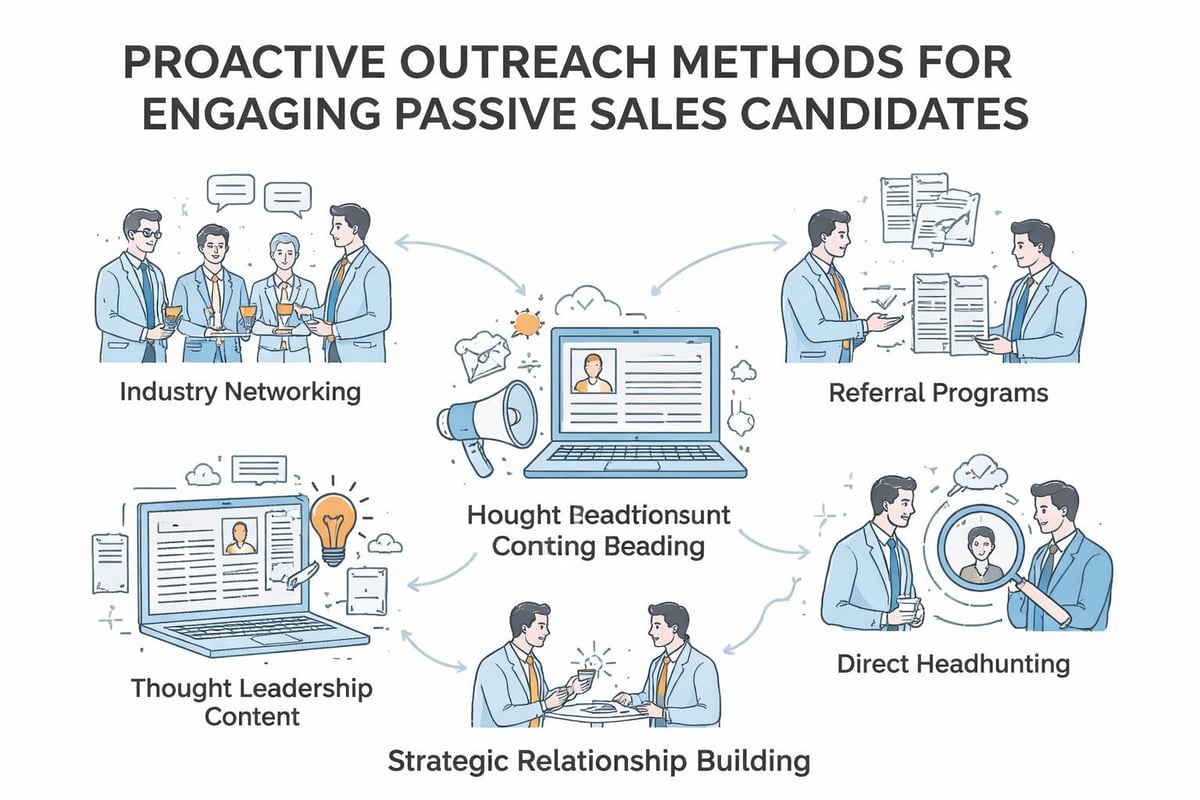
Effective strategies include:
Building employer brand through content marketing and thought leadership
Leveraging existing networks for warm introductions and referrals
Engaging in industry communities where top performers congregate
Creating compelling opportunity narratives that inspire career moves
Offering flexibility and autonomy that appeals to high performers
Research from Wandify on headhunting strategies emphasizes the importance of mastering industry expertise and maintaining continuous relationship-building efforts rather than transactional recruiting approaches.
Evaluating Candidate Fit Beyond Skills
Technical sales abilities represent only one dimension of successful placements. Elite talent recruitment must evaluate multiple factors that contribute to long-term success and retention.
Cultural Alignment and Value Compatibility
According to proven tactics for attracting elite talent, aligning candidate values with organizational goals significantly improves both attraction and retention outcomes.
For businesses selling high-ticket services, cultural fit might encompass:
Client-centric mindset prioritizing long-term relationships over quick transactions
Continuous improvement orientation embracing feedback and skill development
Collaborative approach supporting team success alongside individual achievement
Ethical selling practices maintaining integrity in all client interactions
Entrepreneurial spirit demonstrating ownership and initiative
Assessing these qualities requires behavioral interviewing techniques, scenario-based discussions, and careful reference checking focused on work style and interpersonal dynamics.
Motivation and Career Trajectory Assessment
Understanding what drives elite candidates helps predict longevity and performance. High performers in high-ticket sales environments are typically motivated by factors beyond compensation alone.
Key motivation factors include:
Professional development opportunities and skill advancement
Autonomy and decision-making authority in their roles
Impact visibility seeing direct contribution to company success
Market-competitive compensation including performance incentives
Work-life integration especially for remote positions
Motivation Factor | Assessment Method | Red Flags |
|---|---|---|
Growth Orientation | Career history progression, learning investments | Lateral moves only, no skill development |
Achievement Drive | Past accomplishments, goal-setting examples | External locus of control, excuse-making |
Financial Motivation | Compensation expectations, commission preferences | Unrealistic expectations, money-only focus |
Autonomy Needs | Work style preferences, management relationship history | Requires constant oversight, blame culture fit |
Purpose Alignment | Values discussion, career choice rationale | Purely transactional mindset |
Streamlining the Candidate Experience
Elite candidates evaluate potential employers as carefully as organizations assess them. Challenges faced by high-performing recruitment teams include maintaining candidate engagement throughout lengthy processes while ensuring thorough evaluation.
Optimizing Process Efficiency
The recruitment timeline directly impacts candidate quality and conversion rates. Exceptional sales professionals typically receive multiple offers and won't wait weeks for decision-making.
Best practices include:
Clear timeline communication from initial contact through final decision
Responsive scheduling accommodating candidate availability promptly
Consolidated interview stages reducing redundant conversations
Transparent next steps after each interaction
Professional courtesy including timely rejections for non-selected candidates
Organizations should target completion of the entire recruitment cycle within 14-21 days for optimal results.
Communication Excellence Throughout Recruitment
Every interaction shapes candidate perception of organizational culture and professionalism. For businesses ready to hire elite sales talent, communication quality during recruitment previews the candidate experience as an employee.
Strong communication practices include:
Personalized outreach demonstrating genuine interest and research
Detailed position information including expectations, structure, and growth paths
Transparent compensation discussions early in the process
Regular updates even when no immediate progress occurs
Professional interview conduct respecting candidate time and preparation
Leveraging Specialized Recruitment Partnerships
Many organizations discover that building internal elite talent recruitment capabilities requires resources, expertise, and time they don't possess. Strategic partnerships with specialized firms can accelerate results while reducing internal burden.
Benefits of Pre-Vetted Talent Pools
Firms maintaining continuously updated pools of vetted candidates offer significant advantages. Rather than starting searches from zero, businesses access professionals already screened for core competencies, availability, and career interest.
This approach delivers:
Dramatically reduced time-to-hire from months to days or weeks
Higher candidate quality through specialized screening expertise
Lower risk via guarantees and replacement provisions
Predictable processes with established timelines and deliverables
Scalability for building entire teams or individual placements
Organizations can focus on final-stage cultural fit assessment and strategic decision-making rather than managing hundreds of initial applications.
Evaluating Recruitment Partners
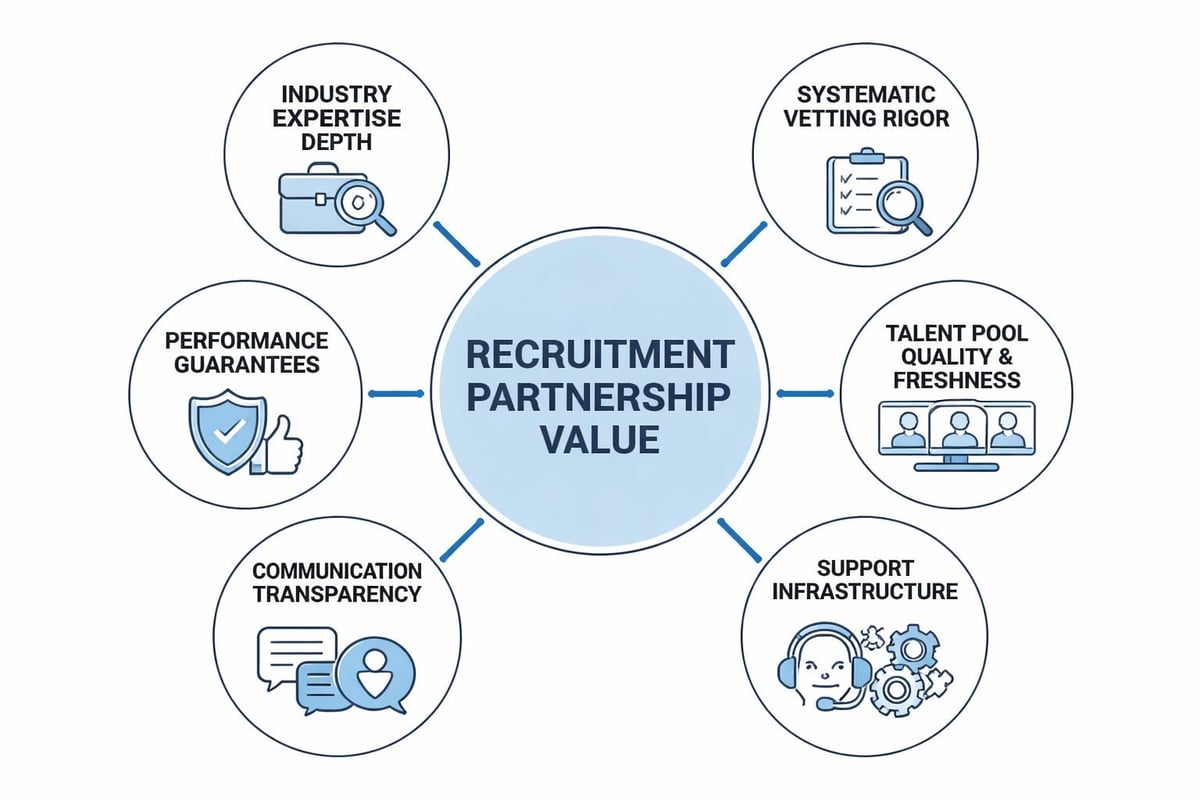
Not all recruitment firms deliver equivalent value. When selecting partners for elite talent recruitment, assess:
Industry specialization and market knowledge depth
Vetting methodology thoroughness and relevance
Candidate pool quality and continuous cultivation
Placement guarantees and replacement policies
Process transparency and communication standards
Questions about specific services offered, success metrics, and client support models reveal partner capabilities and alignment with your needs.
Retention Strategies for Elite Performers
Elite talent recruitment doesn't end with signed offer letters. According to characteristics of elite talent acquisition specialists, treating candidates as customers extends beyond hiring into the ongoing employment relationship.
Onboarding Excellence for Sales Professionals
First impressions during onboarding significantly impact retention, especially for remote sales positions. Comprehensive onboarding programs should include:
Structured product and service training building confidence and competence
Sales process documentation clarifying expectations and methodologies
Technology setup and training ensuring tool proficiency from day one
Mentorship assignments connecting new hires with experienced team members
Clear performance metrics establishing success criteria and evaluation methods
Regular check-ins during the critical first 90 days
Organizations that invest in thorough onboarding see dramatically higher retention rates and faster time-to-productivity.
Ongoing Development and Career Progression
Elite performers consistently seek growth opportunities. Stagnation drives turnover among your best people. Retention-focused organizations provide:
Continuous skill development through training, conferences, and certifications
Career path visibility showing advancement opportunities within the organization
Performance recognition celebrating achievements publicly and meaningfully
Competitive compensation reviews adjusting pay to reflect growing contributions
Leadership opportunities enabling top performers to mentor and guide others
The investment in development pays dividends through retention, performance improvement, and employer brand enhancement.
Technology and Data in Modern Recruitment
While human judgment remains irreplaceable in elite talent recruitment, technology enables more efficient processes and better decision-making. The integration of digital tools with human expertise represents the optimal approach for 2026.
Applicant Tracking and Candidate Relationship Management
Modern recruitment requires systematic candidate data management. Quality systems track:
Application information and candidate communications history
Interview notes and assessments from all evaluators
Stage progression through the recruitment pipeline
Follow-up requirements ensuring no candidates fall through cracks
Historical performance of different sourcing channels
This data foundation enables continuous process improvement and more informed hiring decisions.
Analytics-Driven Process Optimization
Best recruitment practices for 2026 emphasize data-driven approaches that measure and optimize every aspect of talent acquisition.
Key metrics include:
Metric | Purpose | Target Benchmark |
|---|---|---|
Time-to-Fill | Measure process efficiency | 14-21 days |
Quality of Hire | Assess selection accuracy | 90%+ performance ratings at 6 months |
Source Effectiveness | Optimize channel investment | Track conversion by source |
Offer Acceptance Rate | Evaluate competitiveness | 80%+ acceptance |
90-Day Retention | Measure hiring accuracy and onboarding | 95%+ retention |
Cost-per-Hire | Monitor efficiency | Varies by role and market |
Regular analysis of these metrics identifies improvement opportunities and validates strategy effectiveness.
Building Your Elite Talent Recruitment Strategy
Success requires integrating all these elements into a coherent, executable strategy aligned with business objectives and resource realities.
Assessing Your Current State
Before implementing changes, evaluate your existing recruitment function against elite recruiting standards. Consider:
Process documentation and consistency across hiring managers
Candidate experience quality from initial contact through onboarding
Time and resource requirements for filling typical positions
Quality outcomes measuring new hire performance and retention
Competitive positioning in your target talent market
This assessment reveals gaps and priorities for improvement efforts.
Implementation Roadmap
Transforming recruitment capabilities requires systematic implementation:
Define ideal candidate profiles with specific, measurable criteria
Document standardized processes ensuring consistency and quality
Train hiring stakeholders on interviewing and assessment best practices
Establish technology infrastructure supporting efficient workflows
Build talent pipeline before immediate hiring needs emerge
Measure and optimize using data to drive continuous improvement
Organizations can implement incrementally, starting with highest-impact areas and expanding over time.
Deciding Between Internal and Outsourced Approaches
The build-versus-buy decision depends on multiple factors including hiring volume, available resources, and strategic priorities. Many successful businesses adopt hybrid models, maintaining internal recruitment capabilities while partnering with specialists for critical or high-volume needs.
Consider outsourcing when:
Hiring timelines are urgent and internal processes move too slowly
Specialized expertise isn't available in-house
Hiring volume doesn't justify full-time recruitment staff
Risk mitigation through guarantees provides valuable protection
Resource constraints prevent adequate internal investment
Options like hiring entire sales teams through specialized partners can dramatically accelerate business scaling while reducing hiring risk.
Elite talent recruitment represents a critical competitive advantage for businesses selling high-ticket products and services through digital channels. The systematic approaches outlined here enable organizations to identify, attract, and retain exceptional sales professionals who drive sustainable growth. When building your team requires proven talent without lengthy hiring cycles or placement risk, Sales Match provides pre-vetted sales professionals specifically trained for high-ticket environments, backed by replacement guarantees that ensure your team remains consistently strong.